

In the bustling creator economy, where digital artists, influencers, and NFT makers generate billions, a persistent shadow looms: intermediaries. Platforms, payment processors, and agents siphon off chunks of revenue through fees, delays, and opaque processes. Eliminating intermediaries in creator payouts isn't just a buzzword; it's a structural shift powered by blockchain, promising on-chain split contracts in Web3 that automate fairness at scale. Imagine revenue from a viral NFT drop or collaborative project flowing directly to all contributors, transparently and instantly, without a middleman skimming the top.
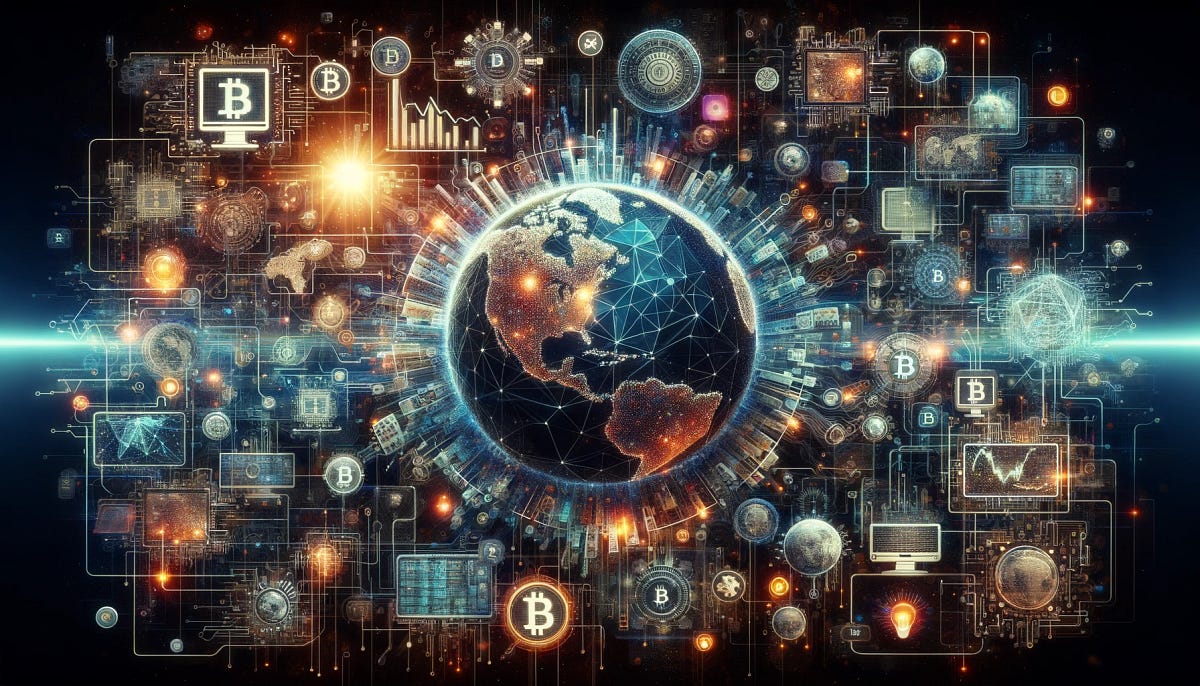
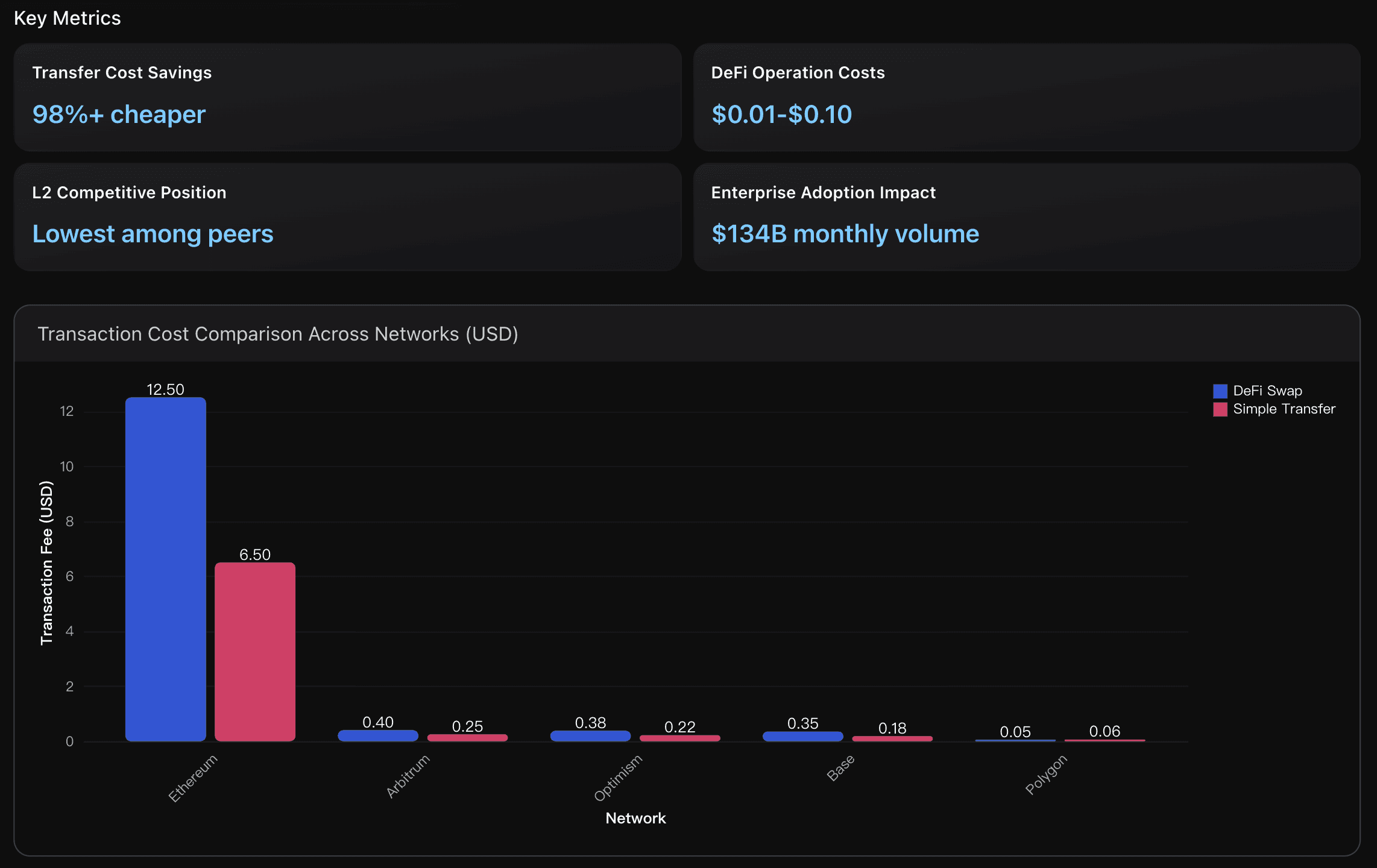
Traditional systems breed inefficiency. Creators often wait weeks for payouts, navigate currency conversion pitfalls, and trust platforms that enforce splits manually, prone to errors or disputes. Fees compound: 2-12% from professional employer organizations, plus payment gateway cuts and cross-border charges. Blockchain flips this script. As Bitwage highlights, it slashes payroll intermediaries, trimming costs by up to 80%. Smart contracts enforce agreements on-chain, removing the need for third-party oversight while baking in transparency everyone can verify.
The Friction of Legacy Payout Models
Delve deeper, and the flaws sharpen. In Web3's nascent creator landscape, intermediaries aren't mere conveniences; they're gatekeepers dictating terms. Social media giants or NFT marketplaces hold the purse strings, doling out decentralized creator payments only after their cut. Disputes arise over secondary sales royalties or collab splits, resolved through slow arbitration or outright denial. Lightspark notes Web3 payments bypass card networks and banks, cratering transaction costs, especially cross-border. Yet skeptics like Canton Network argue blockchains don't erase intermediaries outright; they democratize entry, letting leaner competitors thrive.
This nuance matters. Full disintermediation is a myth, but no intermediary revenue splits via on-chain mechanisms lower barriers dramatically. Creators regain control, as Ajay Tomar observes on Medium: instant payments from smart contract sales, no waits, no wholesalers. Space and Time echoes this for social media, where on-chain payouts could redefine incentives. Tony Drummond's caution on LinkedIn tempers hype; asymmetrical rewards doom flawed models. Sustainable systems prioritize balanced, automated splits over gimmicks.
On-Chain Splits Unlock Transparent Revenue Flows
Enter transparent on-chain splits: programmable contracts that divvy revenue per predefined rules, executed immutably on blockchain. Set once, they trigger payouts on sales, streams, or milestones without human intervention. This isn't theoretical. Platforms now deliver it at scale, blending AI, waterfalls, and perpetual royalties. Costs plummet below 1%, speed surges to seconds, and audits become public ledger reads.
Benefits stack convincingly. First, trustlessness: code is law, verifiable by all. Second, global reach: seamless in 135 and currencies, dodging forex fees. Third, flexibility: tiered payments, recoupments, even governed adjustments via staking.
Key Benefits of On-Chain Splits
- Cost savings up to 80%: Blockchain eliminates intermediaries like PEOs, reducing fees from 2-12% to under 1% in payroll and payments.
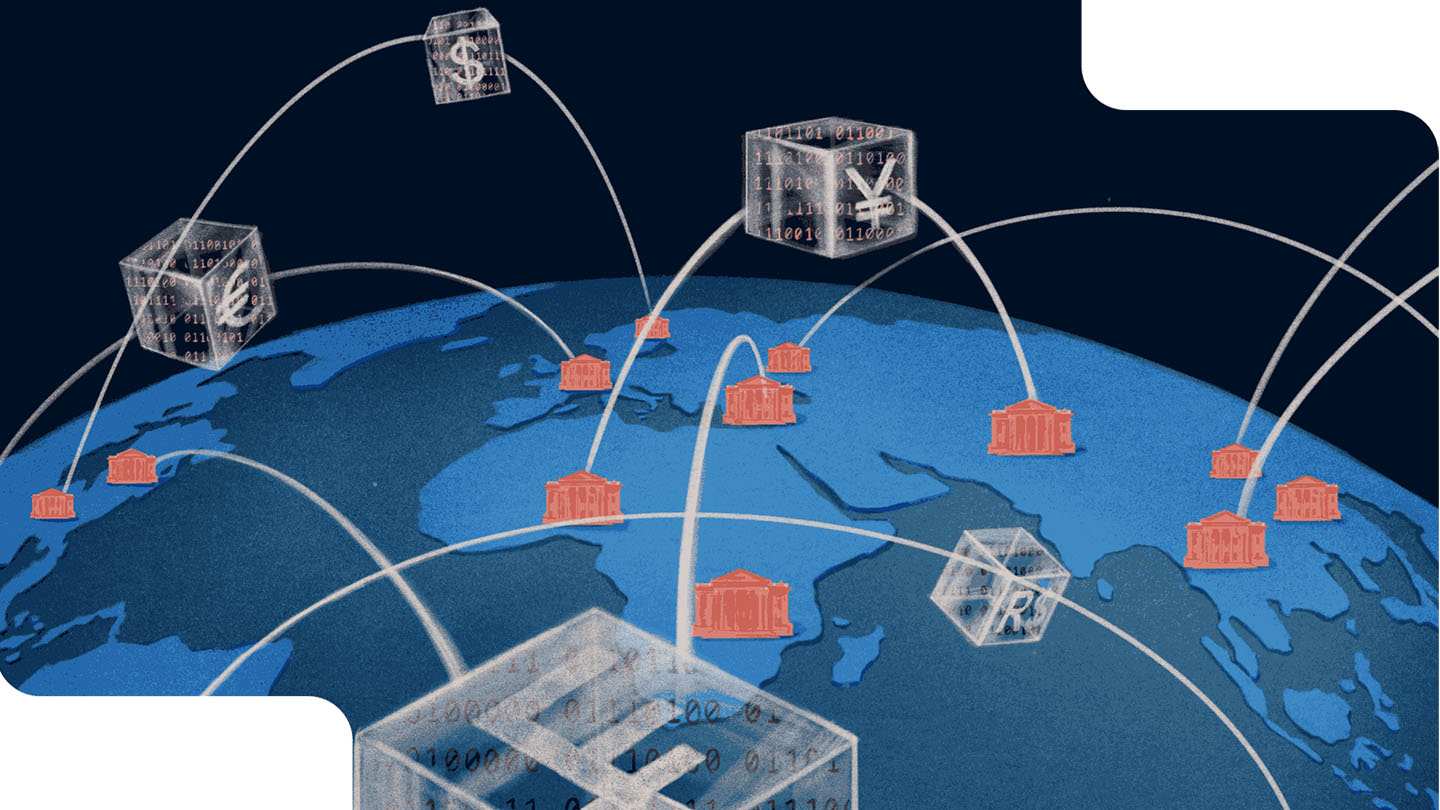
- Instant global payouts: Platforms like Mozaic enable payments in 135+ currencies without delays or intermediaries.
- Immutable transparency: Smart contracts ensure tamper-proof revenue tracking, as in Foundation's perpetual NFT splits.
- Automated collab revenue shares: Tools like 0xSplits Waterfalls and Render Network Creator Tokens handle splits, recoupments, and royalties automatically.
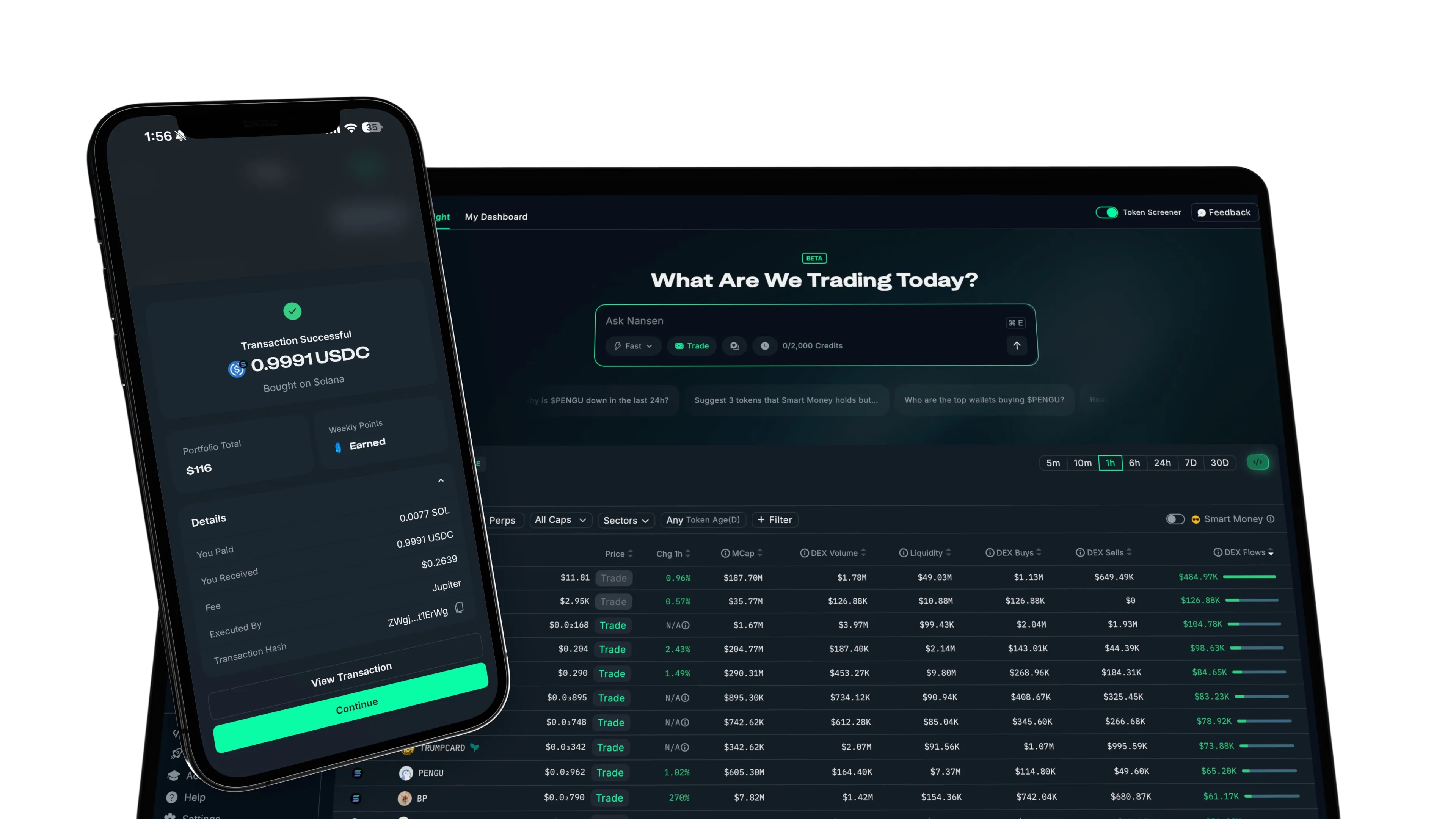
- Real-time earnings dashboards: Mozaic provides live insights into earnings and payments for creators.
Platforms Pioneering the Shift
Mozaic leads with AI-driven automation for royalties, percentage splits, and tiered structures. Creators configure once; the system handles collaborative payouts, recoupments, and cycles across borders. Real-time insights empower decisions, fostering collaboration over conflict.
Foundation simplifies NFT earnings splits among up to three recipients, persisting through primary and secondary markets forever. Immutable post-setup underscores precision's value.
Render Network's Creator Tokens build per-creator economies. At least 20% of revenue buys back the token, with adjustable profit pools governed by stakeholders. This aligns incentives sustainably.




No comments yet. Be the first to share your thoughts!