

Centralized creator revenue sharing programs from platforms like YouTube and X dominate the landscape, yet they often leave creators with slim margins after hefty platform cuts, opaque algorithms, and the constant threat of account suspensions. In contrast, on-chain alternatives promise a paradigm shift through blockchain revenue alternatives that prioritize transparency, ownership, and direct payouts. As a seasoned analyst, I view this transition in the creator economy on-chain much like the move from speculative bubbles to sustainable value investing: deliberate, verifiable, and built for longevity.
The creator economy is ripe for disruption. Centralized models extract value without giving creators true control over their earnings or audience relationships.
Pitfalls of Centralized Revenue Models
Consider the numbers: YouTube skims 45% on ad revenue shares, while X's premium subscriptions yield creators mere fractions after processing fees. These systems rely on black-box algorithms that can deprioritize content overnight, eroding trust. Worse, creators forfeit ownership; a single policy change or deplatforming event wipes out years of audience building. Recent shifts, like Elon Musk's Twitter overhaul, underscore the fragility, pushing creators toward decentralized creator splits where smart contracts enforce fair terms immutably.
This vulnerability isn't abstract. High-profile creators have seen revenues plummet due to algorithmic tweaks or content moderation disputes, highlighting the need for Web3 vs centralized payouts that eliminate intermediaries. On-chain systems, powered by blockchains like Ethereum and Base, automate splits via code, ensuring every transaction is auditable and irreversible.
The Appeal of On-Chain Revenue Sharing
Updated market dynamics as of 2026 reinforce this trend. Platforms are evolving to favor creators: Zora's revenue model now allocates larger minting fee shares directly to artists, boosting primary income. Sound. xyz revolutionizes music by enabling direct on-chain payments for releases and fan interactions, with artists retaining most sales and ongoing royalties. These aren't gimmicks; they represent disciplined infrastructure for the on-chain creator revenue sharing era, where token-gated content via protocols like Lens creates steady, subscription-like streams without viral dependency.
Lets talk about the Miniapp "Paragraph" A decentralized blogging platform integrated as a mini app. Paragraph lets creators write articles that anyone can support by tipping the author’s on-chain publication feed. It’s widely used – Bankless describes it as “one of the most popular decentralized publishing platforms, particularly on Base”. Base App users can browse Paragraph posts right in their feed, gaining crypto rewards by “buying coins” from writers. This makes Paragraph a key “social media meets blog” experience, giving writers direct Web3 monetization and readers an easy way to discover on-chain content.
From my vantage in equity research, this mirrors dividend aristocrats: reliable cash flows over hype. Blockchain's immutability ensures splits are executed precisely as coded, scaling to mass payouts without trusted third parties. No more waiting 60 days for checks; earnings flow instantly upon milestones like NFT mints or stream views.
Spotlighting the Top On-Chain Platforms
Amid this shift, five platforms stand out for enabling decentralized creator splits and mass payouts at scale. They address real pain points with proven mechanics, drawing from Web3's maturing ecosystem.
Top 5 On-Chain Creator Platforms
- Zora: NFT minting platform offering creator-favorable fee splits, with recent updates providing creators a larger share of minting fees for enhanced earnings control.
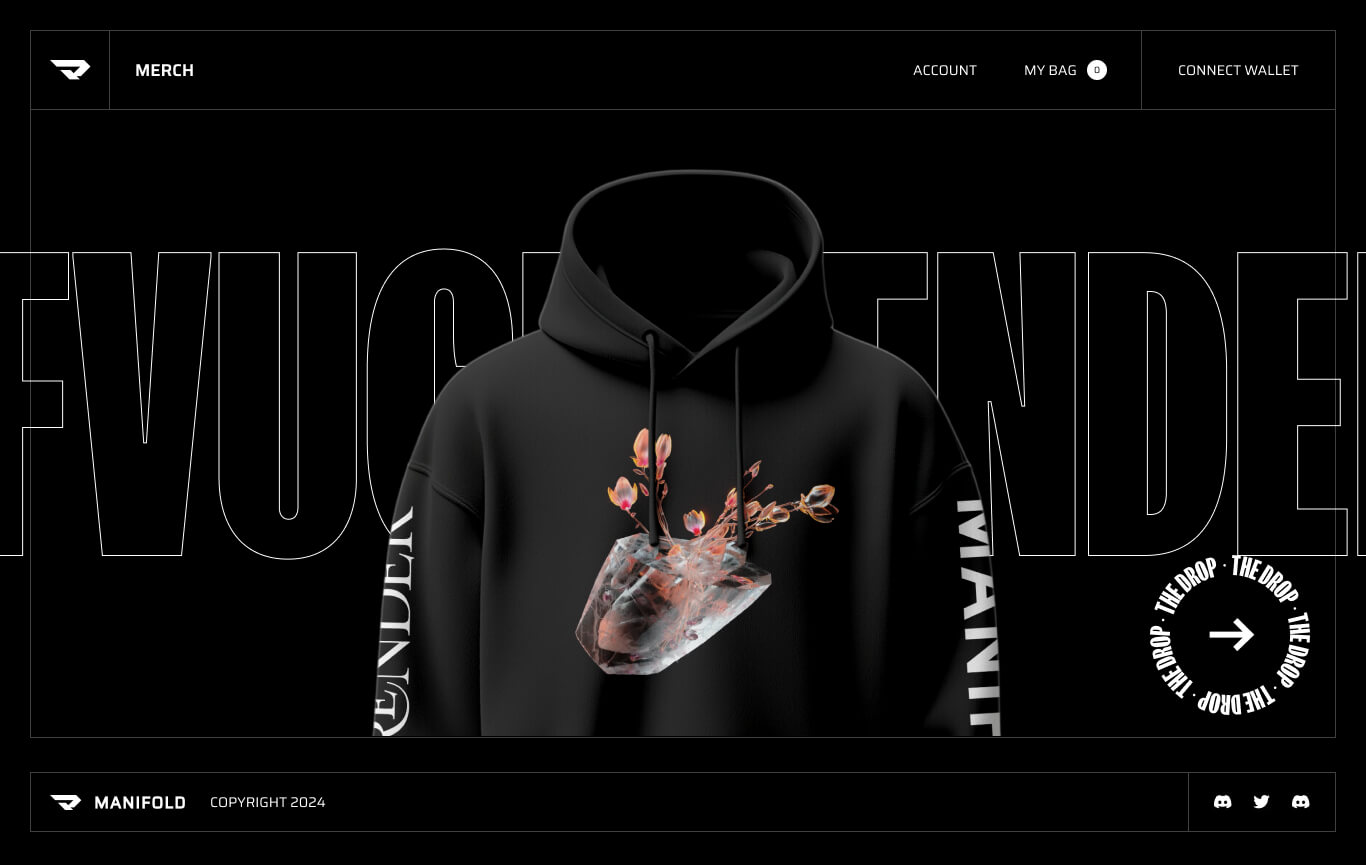
- Manifold: Customizable smart contract studio enabling creators to deploy tailored NFT contracts and manage revenue shares on-chain.
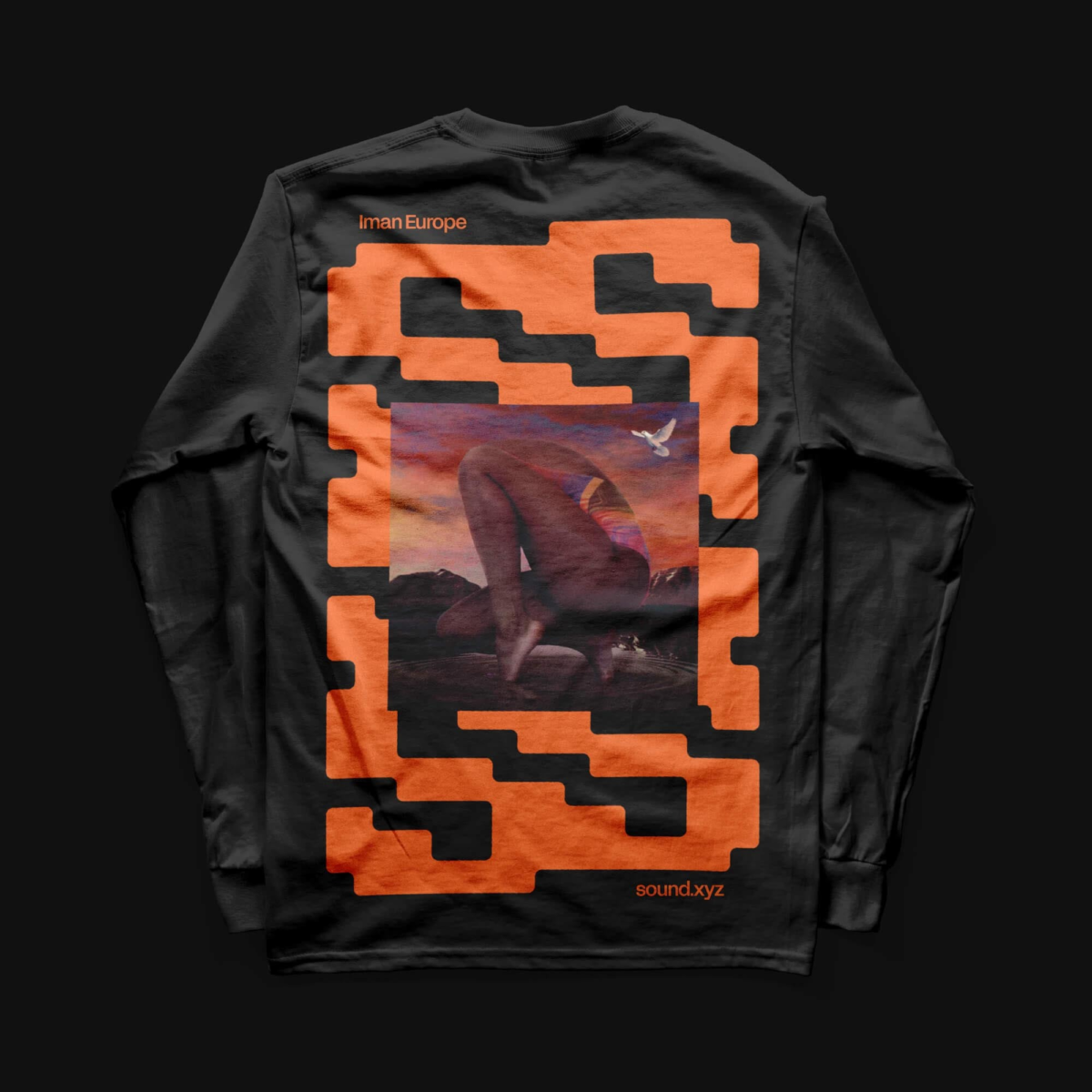
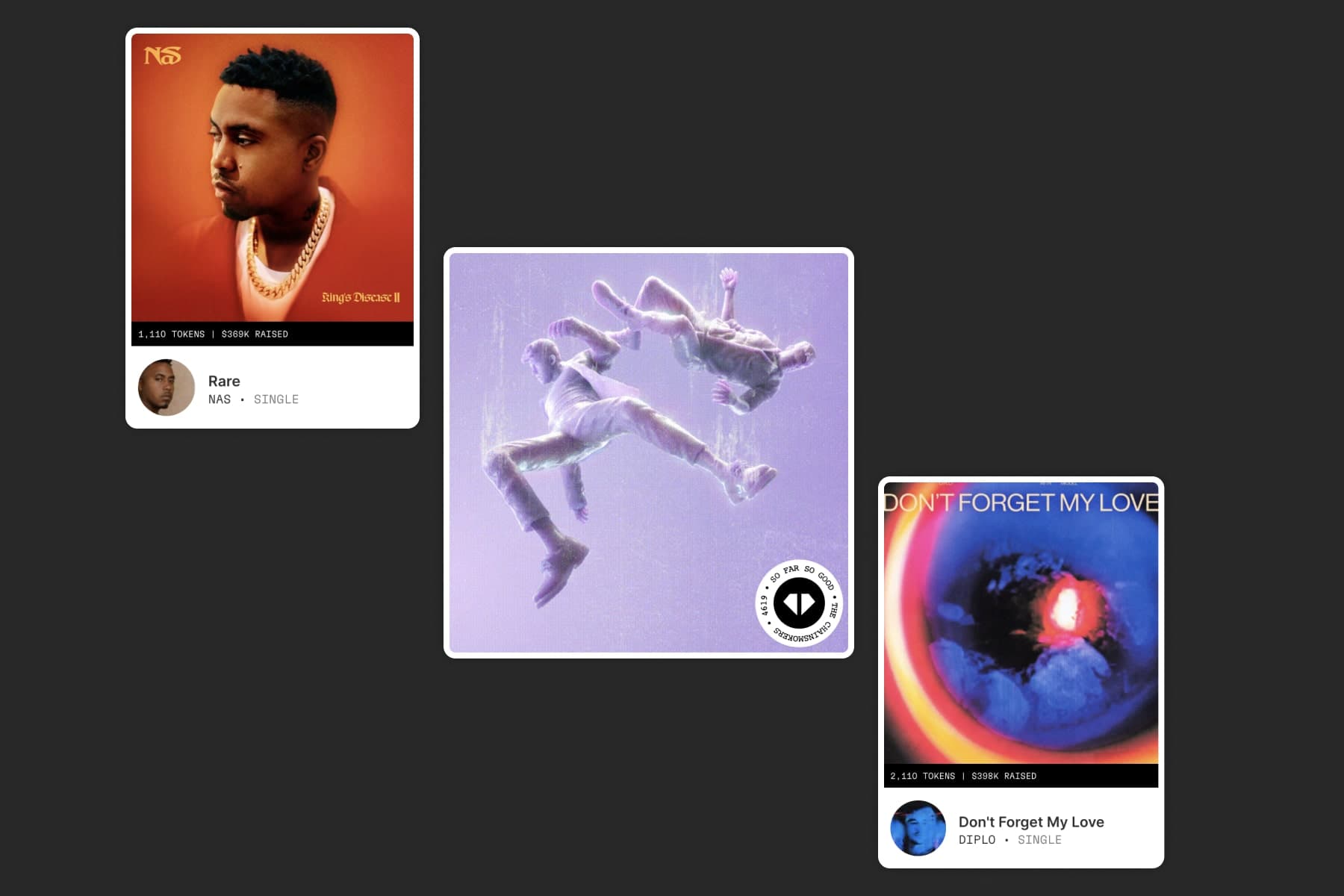
- Sound.xyz: Music monetization via on-chain audio NFTs, allowing artists to retain most primary sales revenue and ongoing royalties on secondary markets.
- Royal.io: Fan-funded music royalties on blockchain, facilitating direct supporter investments in artists' future earnings streams.
- SplitPayOnChain.com: Scalable mass payouts and revenue splits for Web3 projects, supporting efficient on-chain distribution to creators and teams.
Zora leads with its creator-centric minting protocol. By adjusting revenue splits to favor originators, it captures a growing slice of the NFT market. Artists mint editions, set royalties, and receive automated shares from secondary sales indefinitely. This conservative approach yields compounding returns, much like reinvested dividends, without platform lock-in.
Manifold complements this as a no-code studio for bespoke contracts. Creators deploy dynamic NFTs with embedded revenue logic, from one-time splits to perpetual royalties. Its flexibility suits digital artists and Web3 projects, ensuring precise blockchain revenue alternatives tailored to complex collaborations. Early adopters report 20-30% higher retention versus centralized tools, underscoring the value of ownership.
Sound. xyz targets musicians specifically, tokenizing tracks as NFTs for direct fan purchases and plays. Royalties cascade on-chain, bypassing distributors who traditionally take 20-50% cuts. This model has empowered indie artists to sustain careers through predictable secondary market flows, aligning incentives in a fragmented industry.
Royal. io takes this further by pioneering fan-funded royalties for musicians, securing streams of income through blockchain-secured stakes in tracks. Fans buy 'royalty shares' as NFTs, earning proportional playback royalties on platforms like Spotify, all settled on-chain. This flips the script on traditional labels, where artists surrender up to 80% of rights; here, creators retain control and tap loyal communities for upfront capital. From an analytical standpoint, Royal. io's model resembles preferred stock dividends: steady yields backed by real utility, with low correlation to market volatility. Indie acts have reported 5x revenue multipliers versus streaming alone, proving its edge in decentralized creator splits.
SplitPayOnChain. com rounds out this quintet as the go-to for high-volume operations, delivering automated revenue splits and mass payouts tailored for NFT marketplaces, Web3 projects, and creator collectives. Its blockchain engine handles thousands of transactions seamlessly, enforcing custom split logic via smart contracts without gas fee bloat or central chokepoints. Creators set parameters once, then watch funds distribute proportionally across teams, affiliates, or fans upon triggers like sales or milestones. Security audits and layer-2 integration ensure sub-second finality, scaling what centralized processors like Stripe cap at cumbersome batches. In my 15 years tracking portfolio flows, this platform echoes the efficiency of index funds: low-cost, rule-based execution that compounds over time.
Comparative Edges in the Creator Economy
These platforms don't compete so much as specialize, forming a robust toolkit for on-chain creator revenue sharing. Zora excels in visual NFT mints, Manifold in contract customization, Sound. xyz and Royal. io in audio niches, while SplitPayOnChain. com anchors enterprise-scale distribution. Together, they outpace centralized giants by slashing fees from 30-45% to under 1%, plus perpetual royalties that compound indefinitely.
Top 5 On-Chain Creator Revenue Platforms
| Platform | Core Strength | Revenue Retention Advantage | Ideal Use Case |
|---|---|---|---|
| Zora | NFT minting 🎨 | 90% creator fees 💰 | Editions and auctions 🖼️ |
| Manifold | Custom contracts ⚙️ | Full ownership 👑 | Collaborations 🤝 |
| Sound.xyz | Music NFTs 🎵 | Ongoing royalties ♾️ | Fan streams 📱 |
| Royal.io | Royalty shares 📈 | Fan funding 💎 | Track investments 💼 |
| SplitPayOnChain.com | Mass payouts 🚀 | Automated splits 🔄 | Marketplaces and teams 👥 |
Consider a digital artist launching a collection: Mint on Zora for broad reach, customize splits via Manifold for collaborators, distribute royalties through SplitPayOnChain. com. Musicians layer Sound. xyz for primaries and Royal. io for fan equity. This composability, absent in siloed apps like YouTube, fosters Web3 vs centralized payouts resilience. Risks remain, chiefly smart contract bugs or chain congestion, but audited protocols and multi-chain support mitigate them conservatively.
Market traction validates the shift. As DeSoc protocols mature, creator earnings on these platforms have surged, with Zora's fee tweaks and Sound. xyz's direct pays capturing billions in locked value. Yet discipline trumps exuberance: Success demands audience building off-chain first, then on-chain monetization. Platforms like these reward patient strategists who treat earnings as a portfolio, diversifying across mints, royalties, and splits.
The creator economy's future hinges on such infrastructure. Centralized models, burdened by opacity and extraction, yield to blockchain's verifiable fairness. For artists, musicians, and projects, adopting these tools isn't speculative; it's prudent allocation toward ownership and autonomy. Patience here, as in value investing, unlocks enduring returns in the decentralized world.




No comments yet. Be the first to share your thoughts!