

In the bustling ecosystem of Web3 creator communities, where digital artists, NFT creators, and content producers thrive on decentralized platforms, the demand for efficient mass payouts Web3 creators has exploded. Traditional payment systems buckle under the weight of high-volume transactions, intermediary fees, and slow settlement times, leaving creators waiting weeks for their earnings. Blockchain technology flips this script, enabling on-chain mass pay solutions that automate revenue splits with unbreakable transparency and speed. Platforms like SplitPayOnChain. com are at the forefront, powering seamless blockchain creator payouts for NFT marketplaces and beyond.
The creator economy in Web3 is no longer a niche experiment; it's a multi-billion-dollar force reshaping value distribution. Recent advancements, such as PlayW3's $250 million partner fund, demonstrate how smart contracts tied to engagement metrics deliver daily payouts. This isn't hype, it's a data-driven shift toward scale creator revenue sharing, where platforms process thousands of micro-payments without centralized chokepoints. Drawing from sources like Riseworks and NOWPayments, crypto mass payouts via API integrations have become standard for NFT projects, slashing costs and boosting scalability.
Overcoming Legacy Bottlenecks in NFT Marketplace Payouts
Legacy systems in NFT marketplaces falter when scaling. Single-chain limitations lead to congestion, high gas fees, and inconsistent royalty enforcement, typically 5-10% as noted by Pontem Network. Creators lose out when marketplaces opt out of royalties, a problem Enjin Blockchain addresses with on-chain enforcement. Cross-chain marketplaces, highlighted in Rich by Coin's analysis, distribute loads across networks, but payouts remain fragmented without robust infrastructure.
Challenges & Blockchain Fixes
- Challenge: Scalability Bottlenecks High fees and slow speeds on L1 chains hinder mass payouts. Solution: Layer 2 solutions like Arbitrum and Optimism for faster, low-cost transactions.
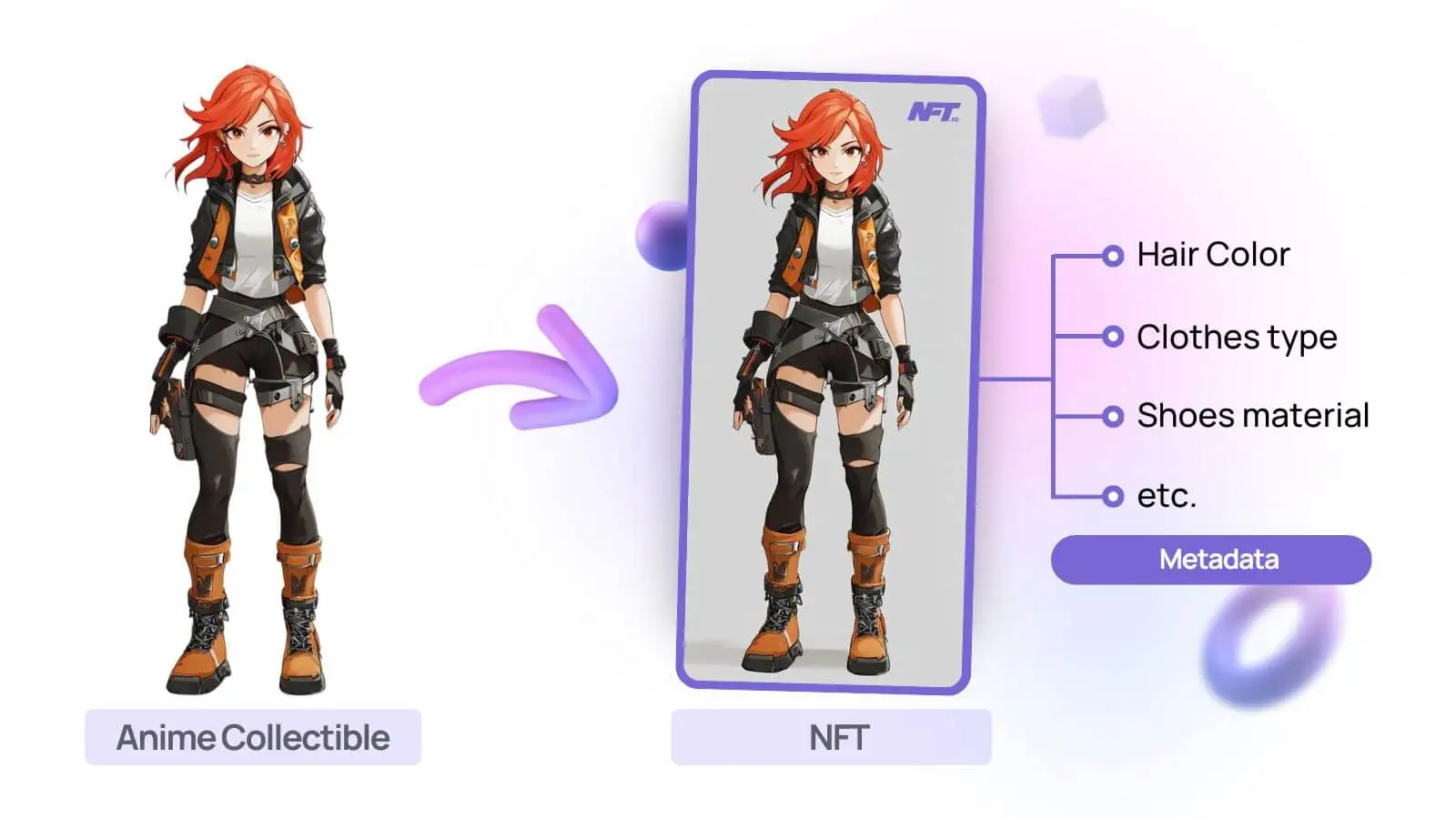
- Challenge: Royalty Evasion Marketplaces bypass 5-10% creator royalties. Solution: On-chain enforcement with Enjin and EIP-2981 standards.
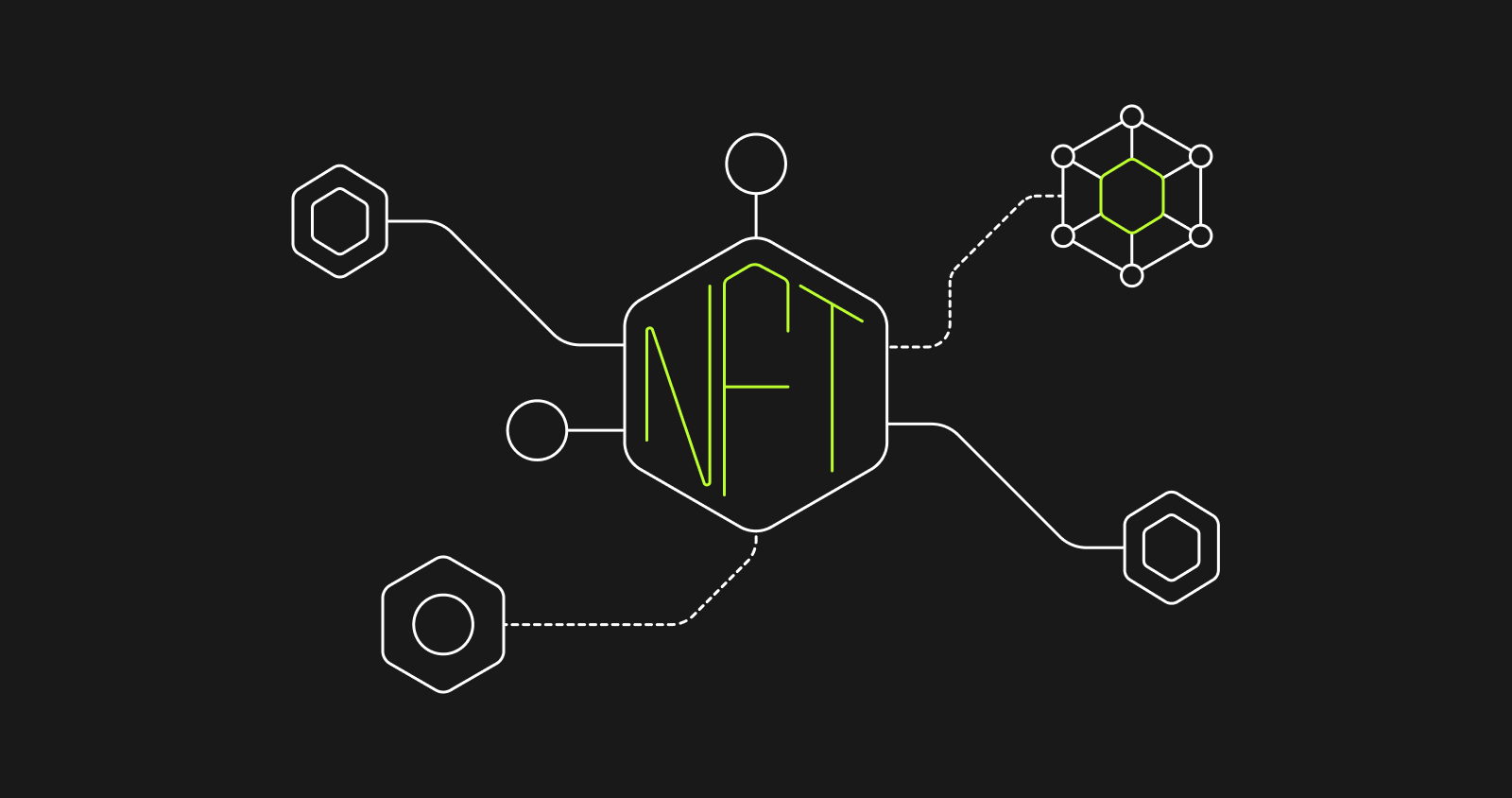
- Challenge: Inefficient Mass Payouts Manual processes fail at scale for creators. Solution: Automated smart contracts via PlayW3's $250 million fund.

- Challenge: Cross-Chain Friction Assets trapped on single chains limit liquidity. Solution: Cross-chain NFT marketplaces for seamless distribution.
- Challenge: Global Barriers Volatility and compliance issues for worldwide payouts. Solution: Stablecoin services like P100 and NOWPayments.

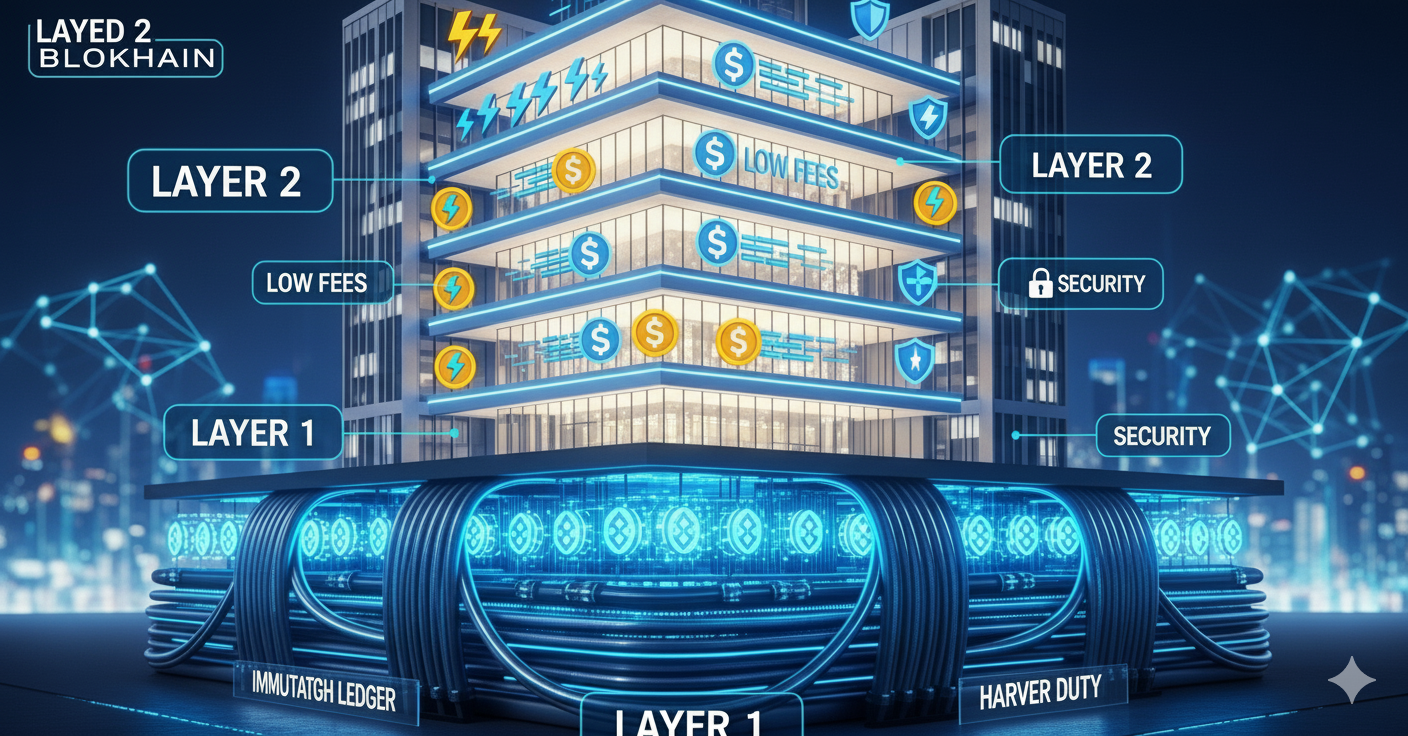
Layer 2 solutions, as explored by Mitosis University, revolutionize this by compressing transactions, making them faster and cheaper. For Web3 communities, this means handling NFT marketplace payouts at scale without compromising security. P100's global crypto payouts exemplify this, using stablecoins for borderless, low-cost distributions to freelancers and affiliates. The result? Creators focus on creation, not payment chasing.
Automated Smart Contracts: The Backbone of Transparent Revenue Splits
At the core of scaling mass payouts for Web3 creator communities lies the smart contract, a self-executing code that enforces rules impartially. Imagine royalties automatically split upon secondary sales, or ad revenue from Web3 networks like Bitmedia (reaching 20 million monthly users) funneled directly to creators via predefined ratios. Speedinvest's creator economy report underscores this framework, providing VCs and founders with insights into sustainable models.
Halo's collaboration with Movement Labs introduces social monetization layers, where influence translates to instant blockchain transactions. No more manual audits or disputes; everything's verifiable on-chain. This precision appeals to my analytical roots in equity research, where capital preservation hinges on reliable fundamentals. In Web3, that translates to payouts as dependable as a well-vetted bond portfolio.
Layered Strategies for High-Volume Creator Compensation
Building scalable systems requires layered approaches. Start with API-driven automation for crypto mass payouts, layer on cross-chain interoperability to avoid bottlenecks, and enforce royalties through protocol-level mandates. Leon Abboud's playbook for scaling Web3 agencies from zero to seven figures emphasizes zero-funding growth via efficient operations, payouts included. CARV's verticalization of NFT marketplaces creates developer revenue streams, amplified by on-chain tech.
SplitPayOnChain. com exemplifies these layered strategies, offering a premier on-chain platform tailored for scale creator revenue sharing. Its blockchain-powered system automates transparent splits, eliminates intermediaries, and manages high-volume payouts with ease. For NFT marketplaces and Web3 projects, this means handling thousands of transactions daily, backed by smart contracts that mirror the reliability I champion in long-term value investing.
Deploy Split Contracts & Automate Mass Payouts on SplitPayOnChain
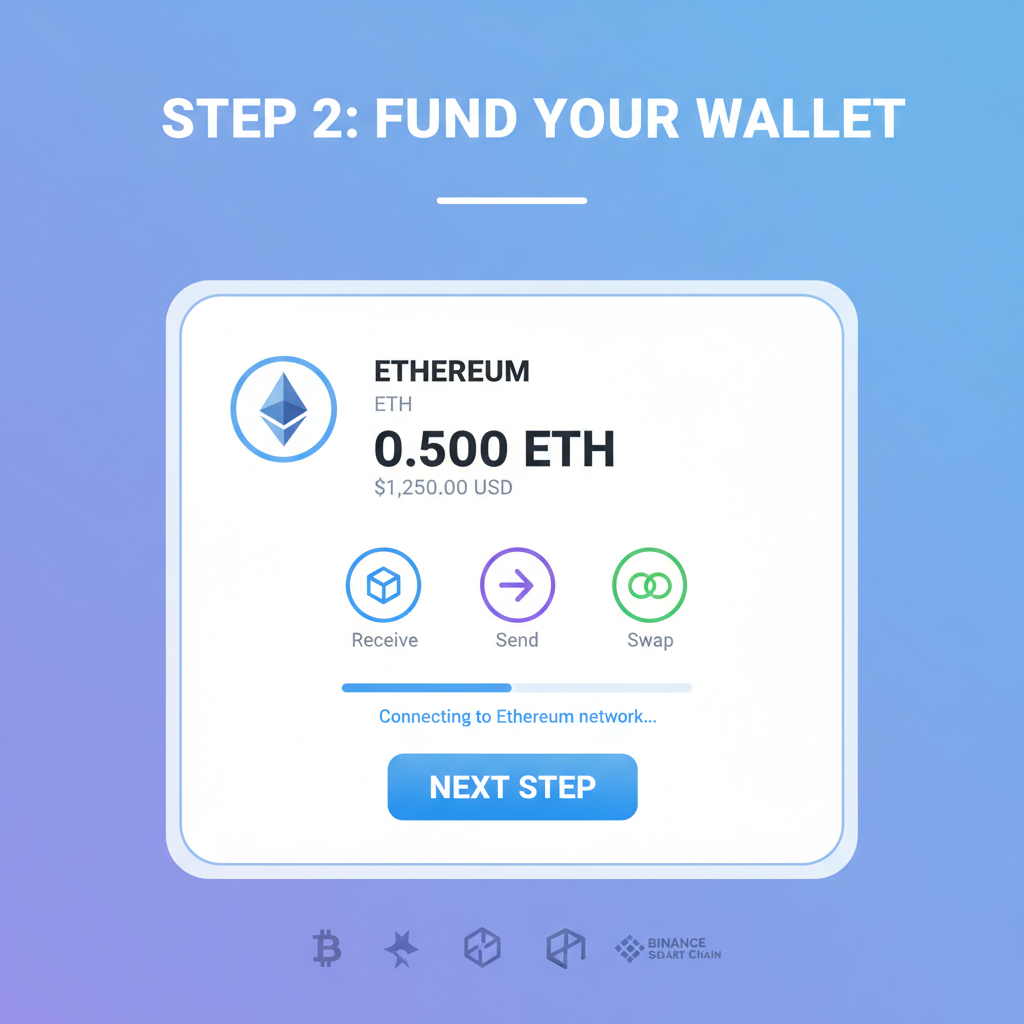
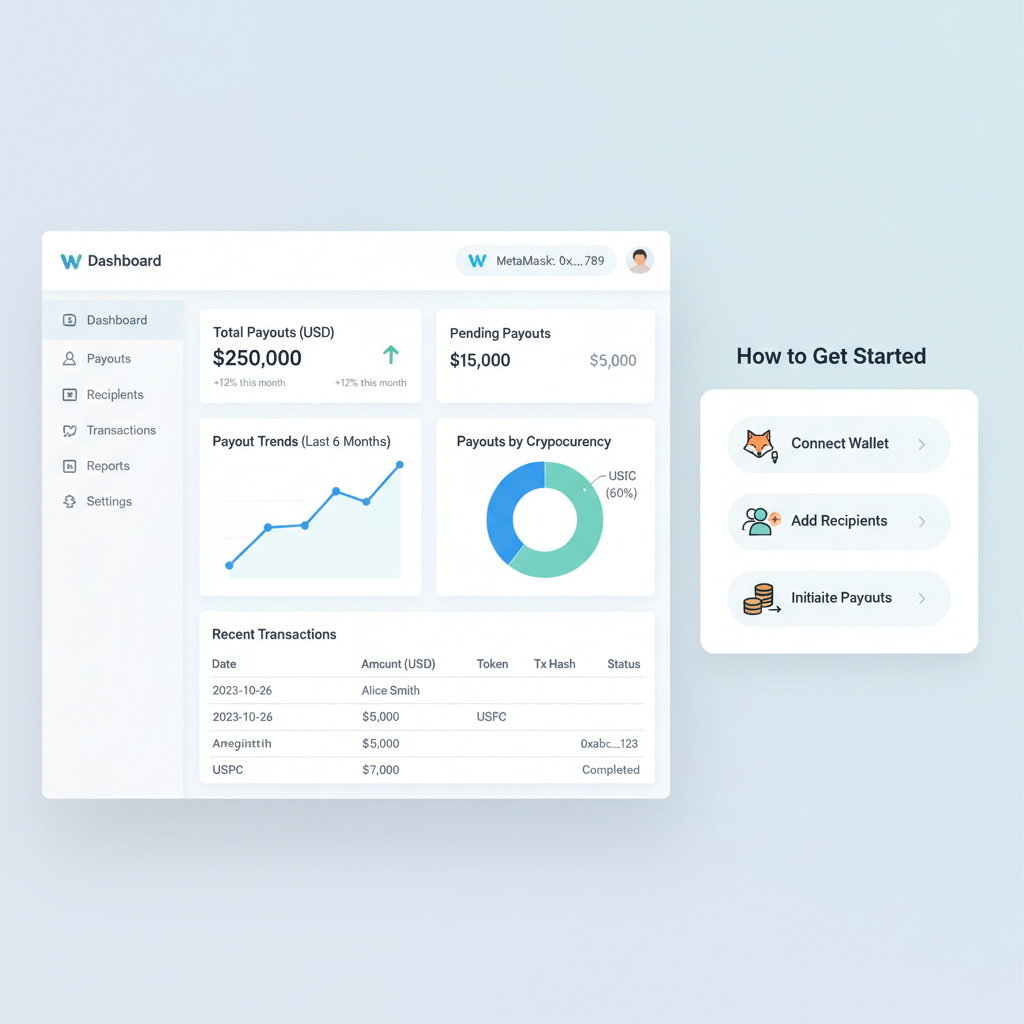
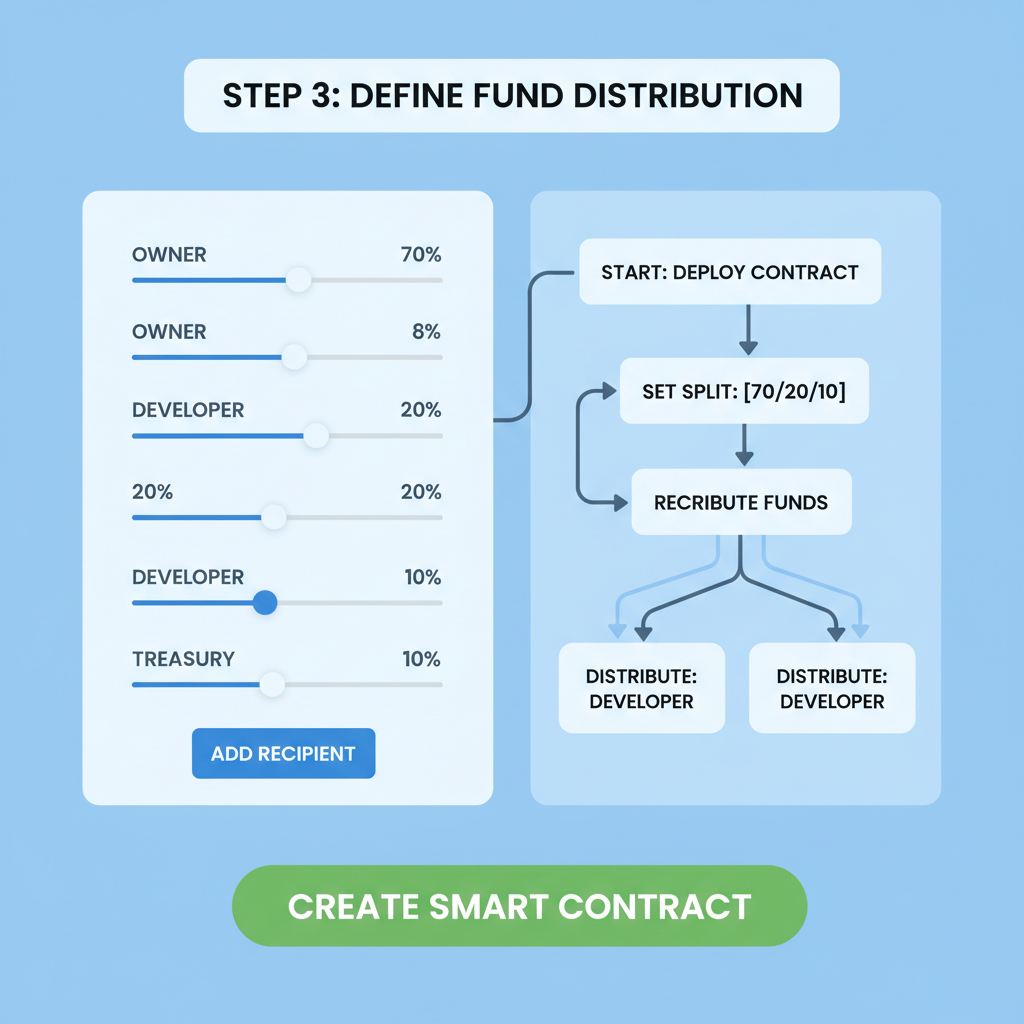
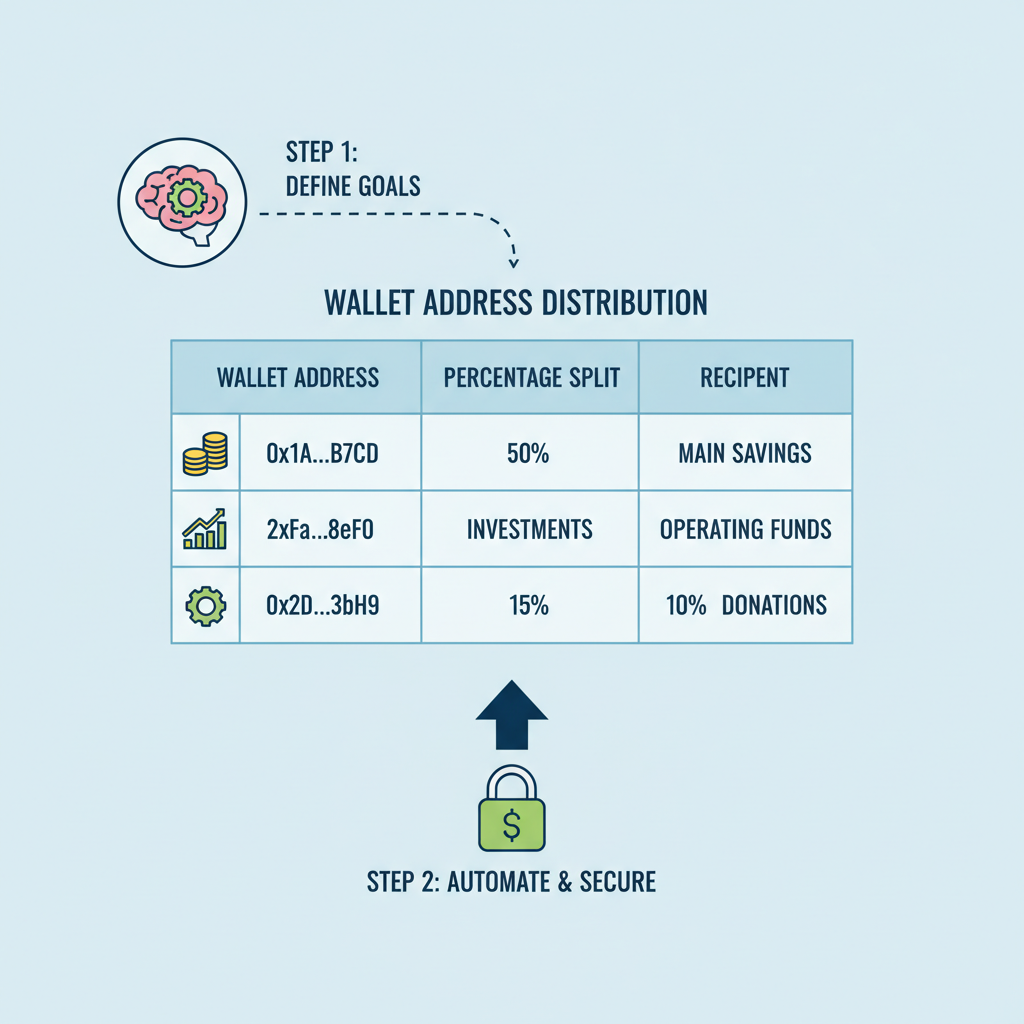
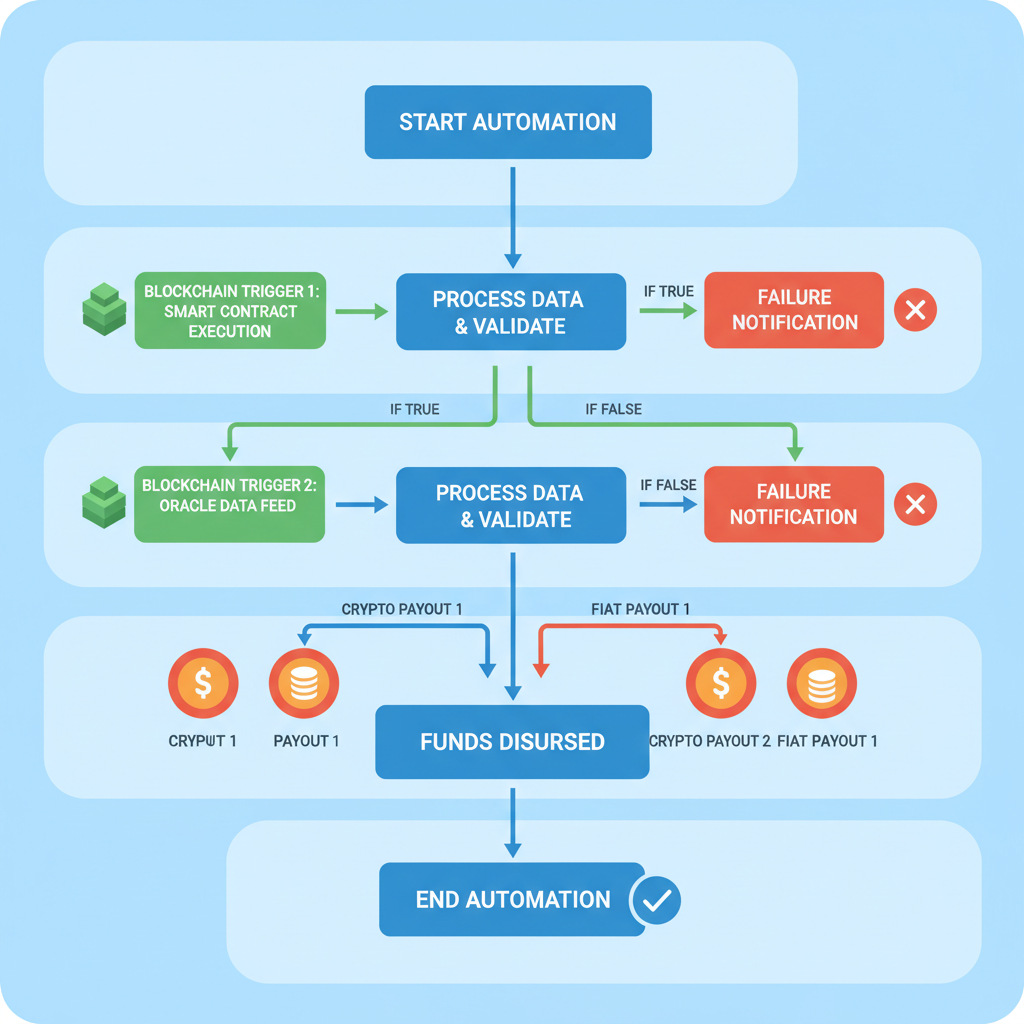
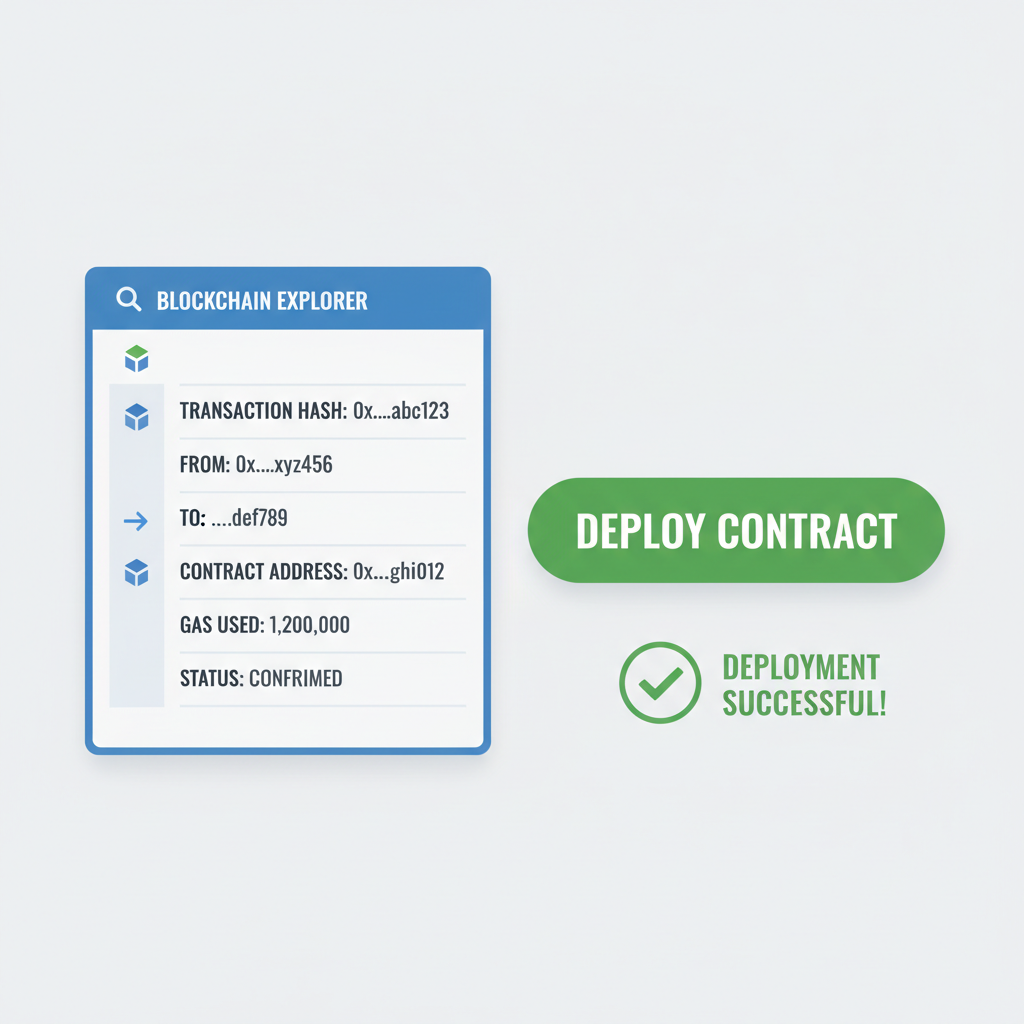
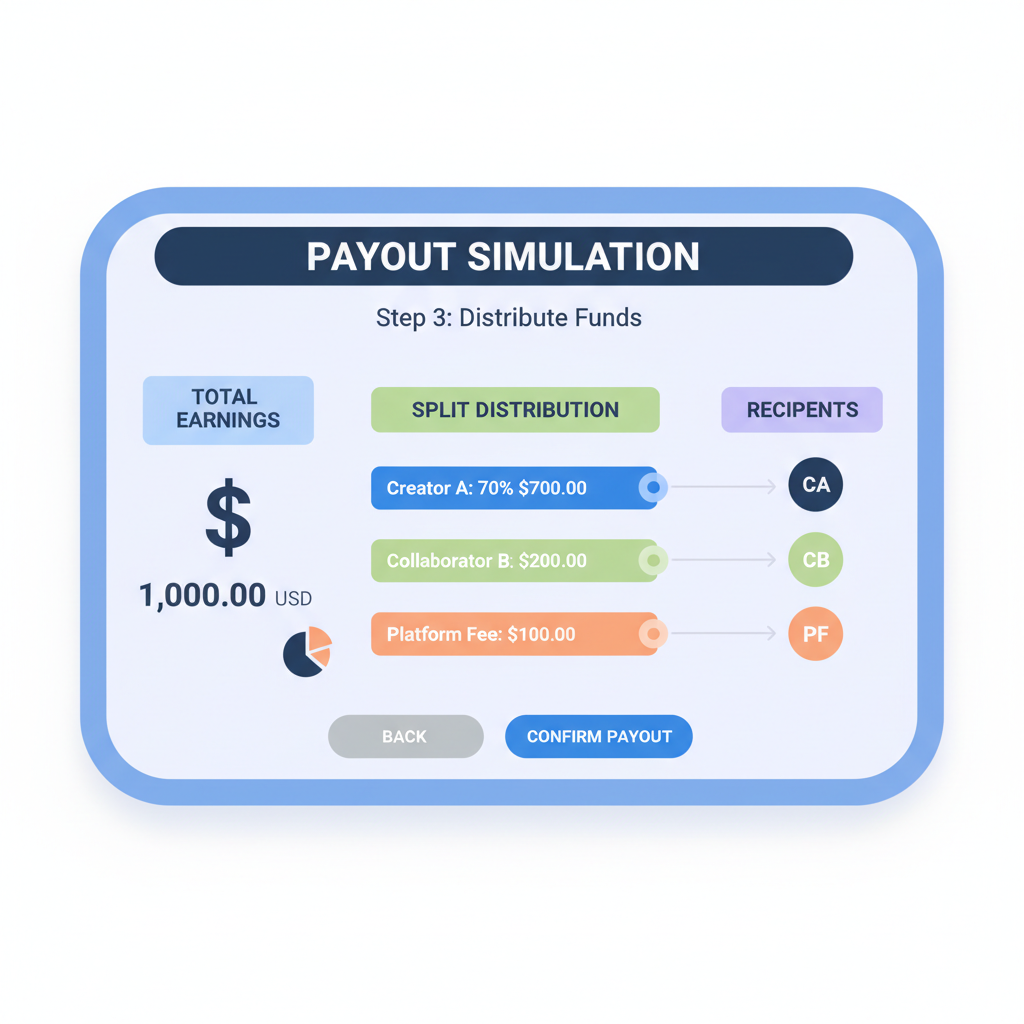
Consider the mechanics: a creator drops an NFT collection, secondary sales trigger royalties instantly split among contributors via predefined percentages. No disputes, no delays. Platforms like P100 extend this to global freelancers, using stablecoins for frictionless transfers. This data-driven approach aligns with macroeconomic trends toward decentralization, where efficiency preserves capital much like diversified bond holdings protect against volatility.
Real-World Impact: Metrics That Matter
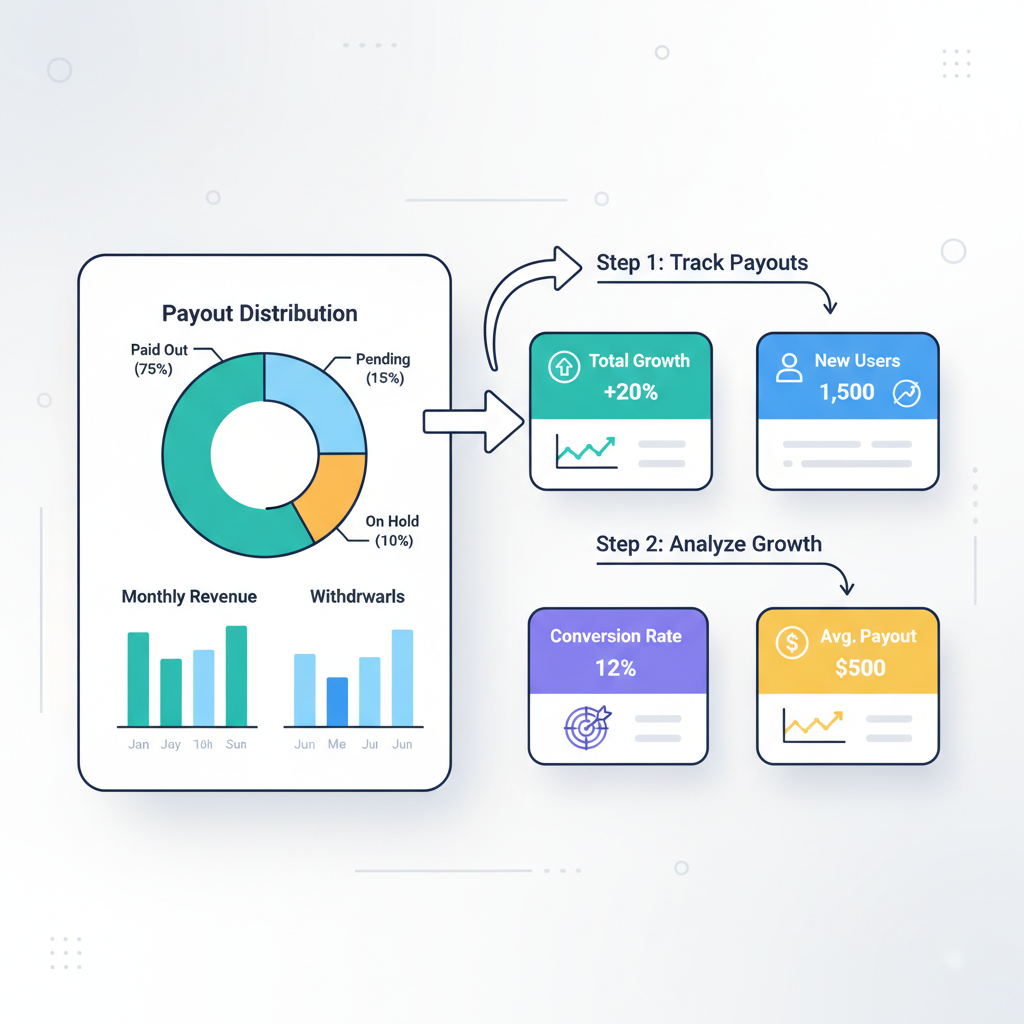
Quantifiable gains define success in blockchain creator payouts. PlayW3's $250 million fund, disbursed through engagement-linked smart contracts, has empowered communities with daily, verifiable payouts. Halo and Movement Labs' partnership layers social influence into monetization, turning likes and shares into secure transactions. Data from sources like Payouts. com shows Web3 ad networks scaling to millions, with Bitmedia alone engaging 20 million users monthly. These aren't isolated wins; they form a pattern of scalability that traditional finance envies.
NFT royalties, stabilized at 5-10%, now enforce universally with on-chain tech from Enjin, preventing marketplace opt-outs. Cross-chain solutions lower fees, as Rich by Coin details, distributing loads intelligently. For operators, this translates to cost savings of up to 90% on gas fees via Layer 2, per Mitosis University. Creators, meanwhile, receive funds in real-time, fostering loyalty and sustained output.
My experience in portfolio management underscores the value here: patience yields when fundamentals are solid. Web3 payouts prioritize just that, with immutable ledgers ensuring every dollar traces back transparently. Riseworks' guide highlights flexible solutions, while NOWPayments APIs automate NFT flows seamlessly.
Top On-Chain Mass Pay Benefits
- Automation: Fully automated via smart contracts and APIs, enabling scalable payouts tied to engagement metrics, as with PlayW3's $250M fund.
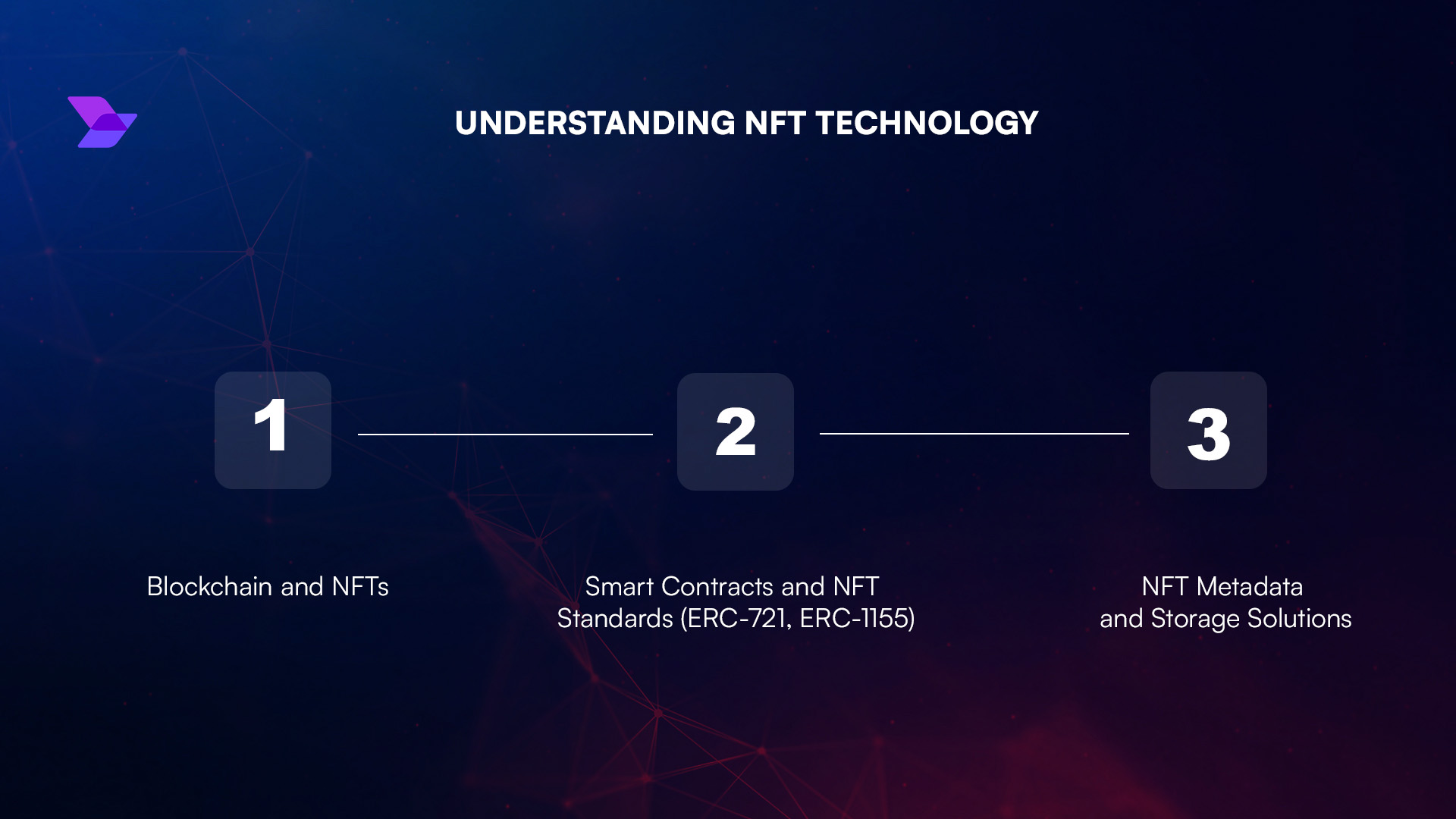
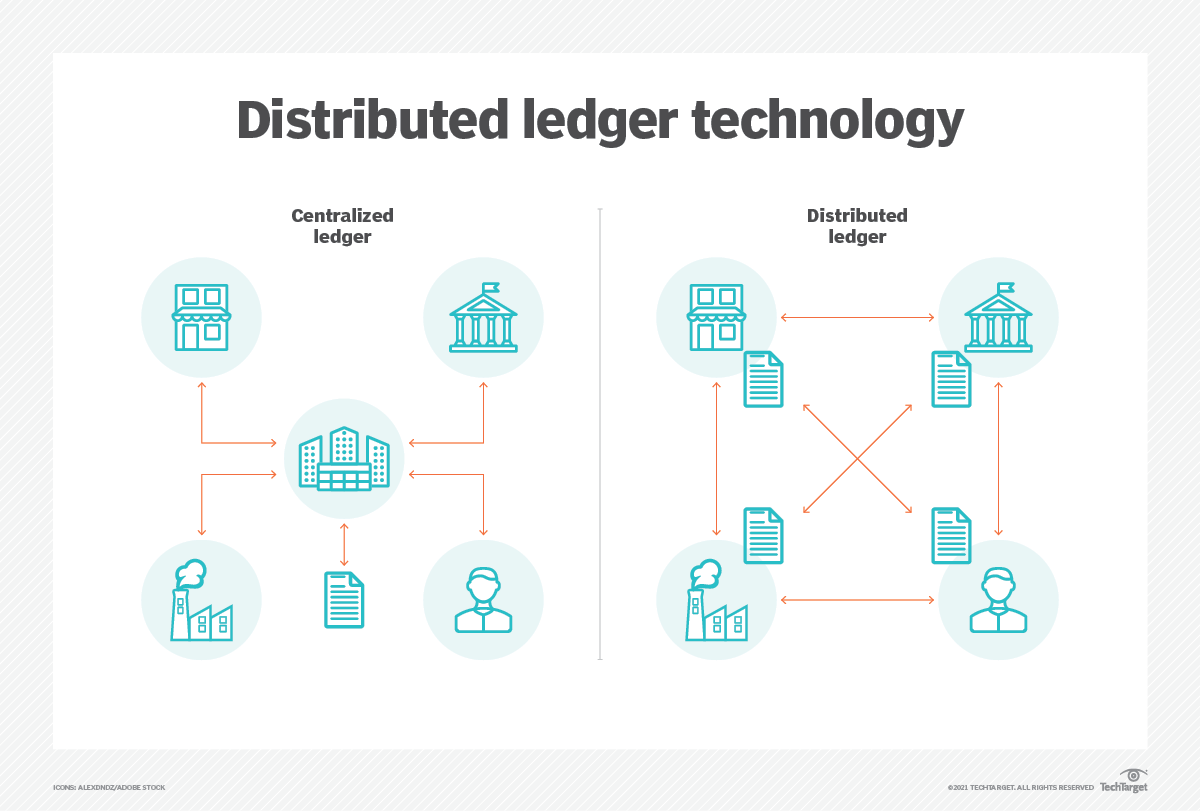
- Transparency: Immutable blockchain ledger ensures verifiable, trustless compensation for creators without intermediaries.
- Cost Efficiency: Lower fees through Layer 2 solutions and cross-chain tech, reducing payout costs for marketplaces.
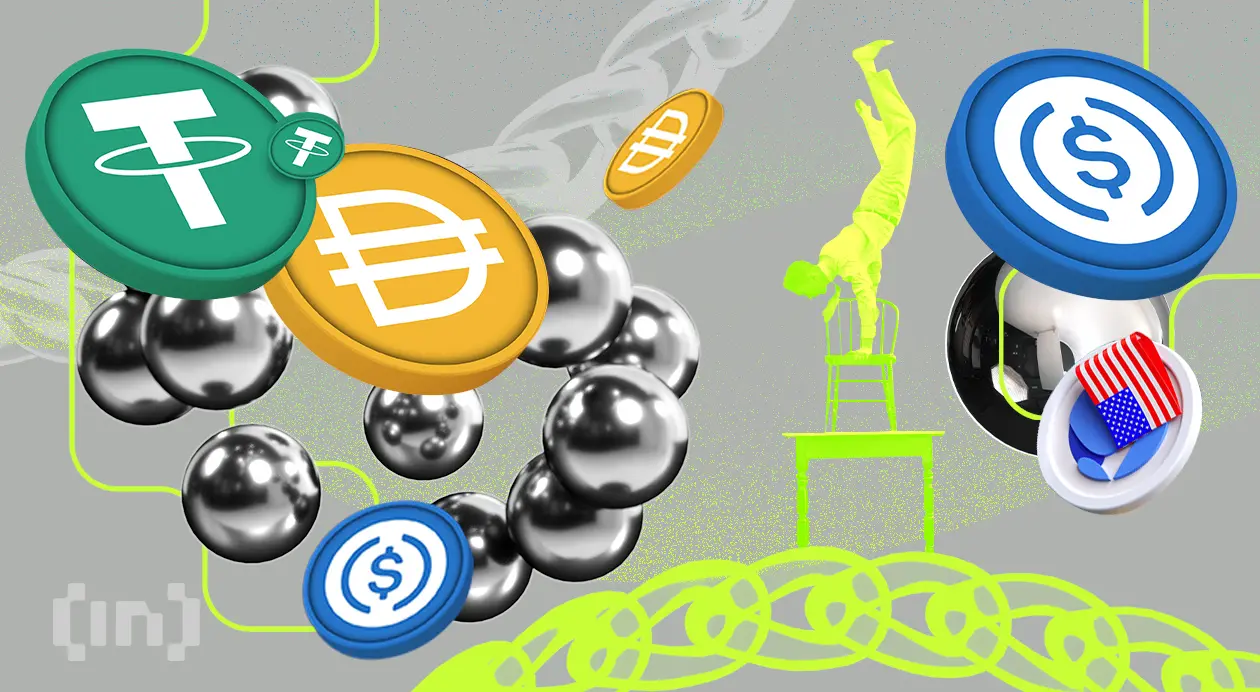
- Global Reach: Seamless worldwide crypto payouts using stablecoins, as offered by P100 for creators and affiliates.
- Royalty Enforcement: On-chain mechanisms guarantee 5-10% royalties per trade, revitalizing creator earnings per Enjin.
- Scalability: Handles mass adoption without bottlenecks, supporting growing Web3 communities via L2 and cross-chain marketplaces.

Future-Proofing Payments in the Creator Economy
Looking ahead, verticalized marketplaces per CARV will spawn niche revenue streams, all funneled through on-chain mass pay. Leon Abboud's zero-to-seven-figures journey proves operational efficiency, including payouts, drives bootstrapped growth. Speedinvest's report equips founders with frameworks for this new economy, emphasizing sustainable splits over speculative pumps.
Web3 communities thrive when compensation matches contribution precisely. SplitPayOnChain. com delivers this at scale, blending security with speed for digital artists and operators alike. As adoption surges, expect mass payouts to become the default, much like index funds redefined investing: reliable, inclusive, and poised for the long haul.




No comments yet. Be the first to share your thoughts!