

In the high-stakes arena of NFT marketplaces, where secondary sales can multiply a creator's earnings exponentially, outdated royalty systems often leave artists shortchanged. Platforms struggle with enforcement, leading to disputed NFT marketplace revenue shares and eroded trust. Enter on-chain split contracts: smart, immutable agreements that automate creator payouts at scale, channeling funds directly to predefined wallets without human intervention. This isn't just tech hype; it's a data-driven shift toward sustainable blockchain revenue splits, mirroring the precision of traditional finance but amplified by Web3's transparency.
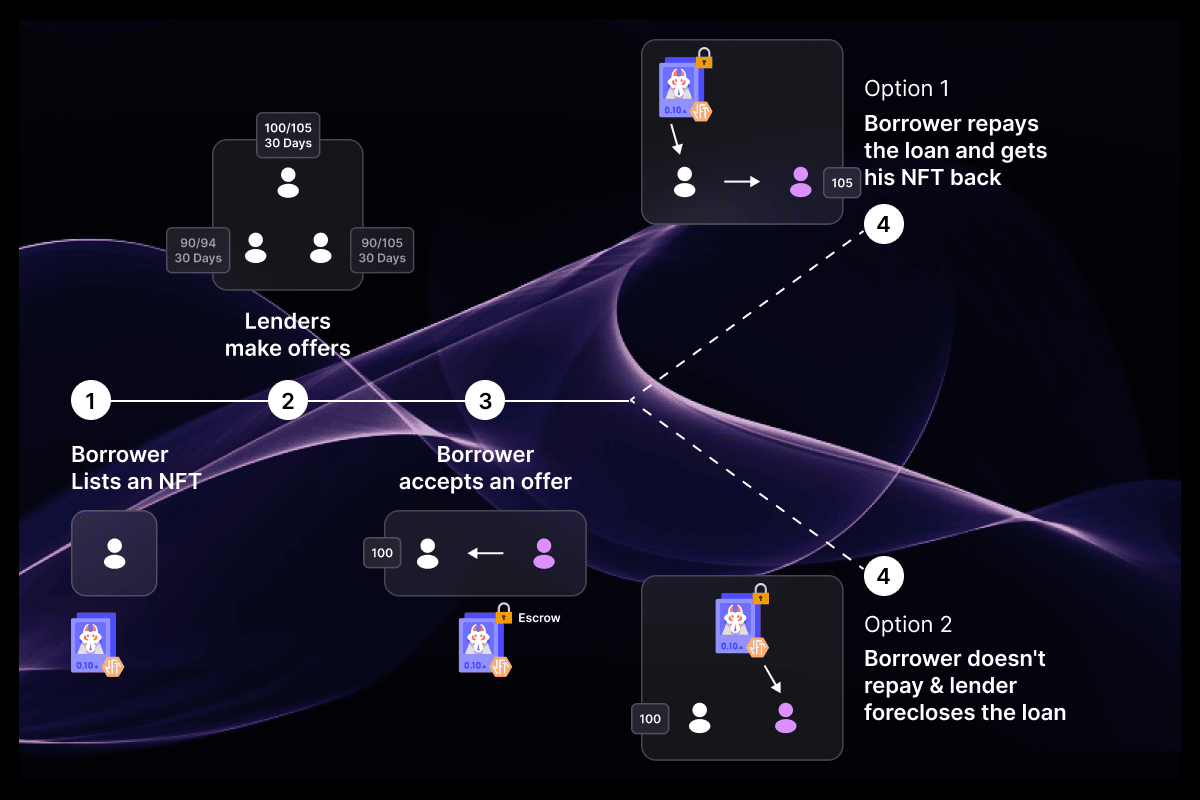
From my vantage as a seasoned equity researcher, I've seen revenue models crumble under scalability tests. NFT marketplaces face similar pressures: surging transaction volumes demand Web3 mass payouts that off-chain ledgers can't handle reliably. Recent innovations, like those from Splits. org and thirdweb, prove on-chain solutions distribute royalties seamlessly, even across 159 wallets as artist Black Dave demonstrated in a landmark payout.
Challenges in Traditional NFT Royalty Enforcement
Existing royalty designs, as dissected by a16z crypto, teeter between enforcement and composability. ERC-721 and ERC-1155 standards promised creator cuts on resales, yet marketplaces like OpenSea have toggled support amid user backlash. The Crypto Council for Innovation highlights how these "crypto payouts" falter when platforms prioritize liquidity over creator rights, resulting in de facto zero royalties on some trades.
Accounting complexities compound the issue, per Iota Finance's guide. Marketplaces must track nuanced splits for primary sales, royalties, and collaborations, risking compliance pitfalls. Manual distributions invite errors and disputes, eroding the creator economy's foundation. In my analysis, this mirrors bond markets where intermediary failures amplify systemic risk; without automation, NFT revenue shares remain vulnerable.

Unpacking On-Chain Split Contracts
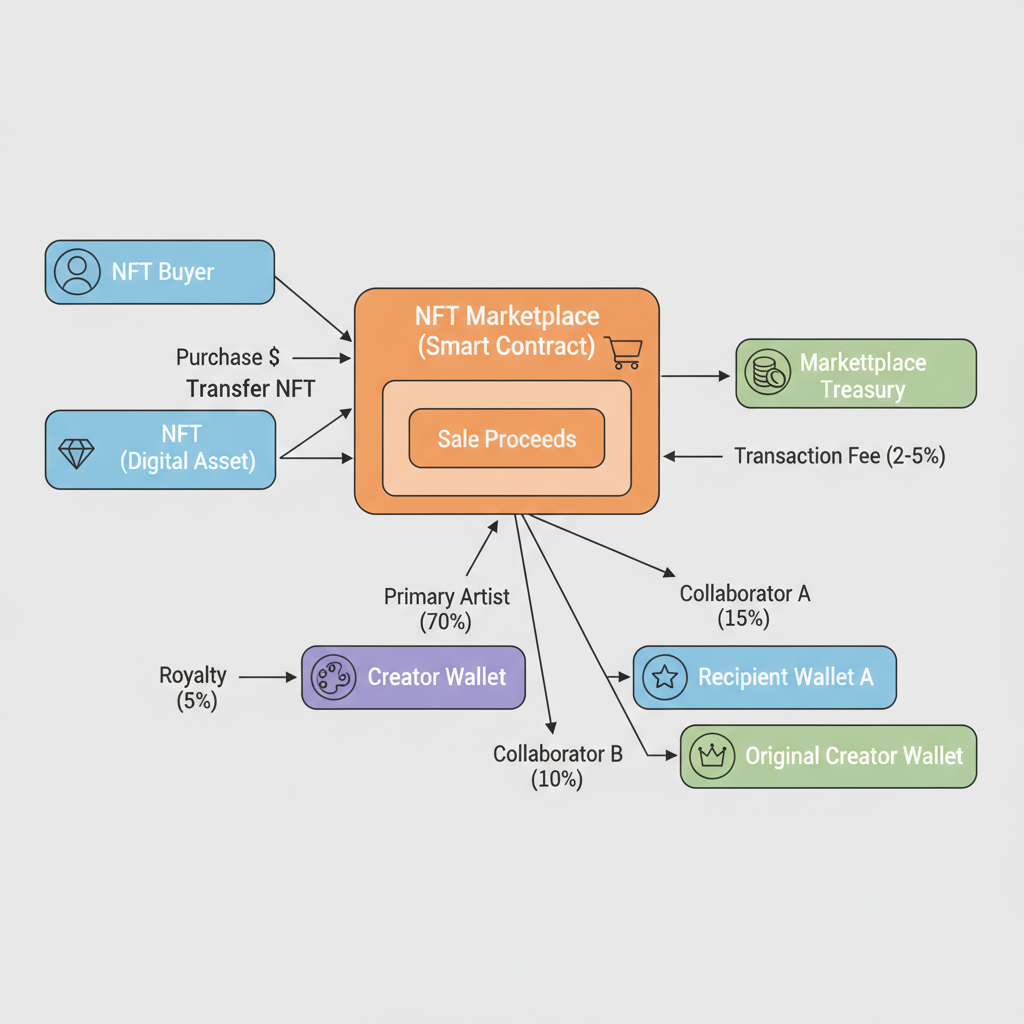
Split contracts, as defined by ChainScore Labs, automate on-chain revenue distribution, making them indispensable for NFT projects. Revenues from sales or royalties flow straight to the contract, which parses predefined percentages and executes Web3 mass payouts in one transaction. Artiffine's breakdown shows how this bypasses intermediaries, ensuring atomic settlements on Ethereum or compatible chains.
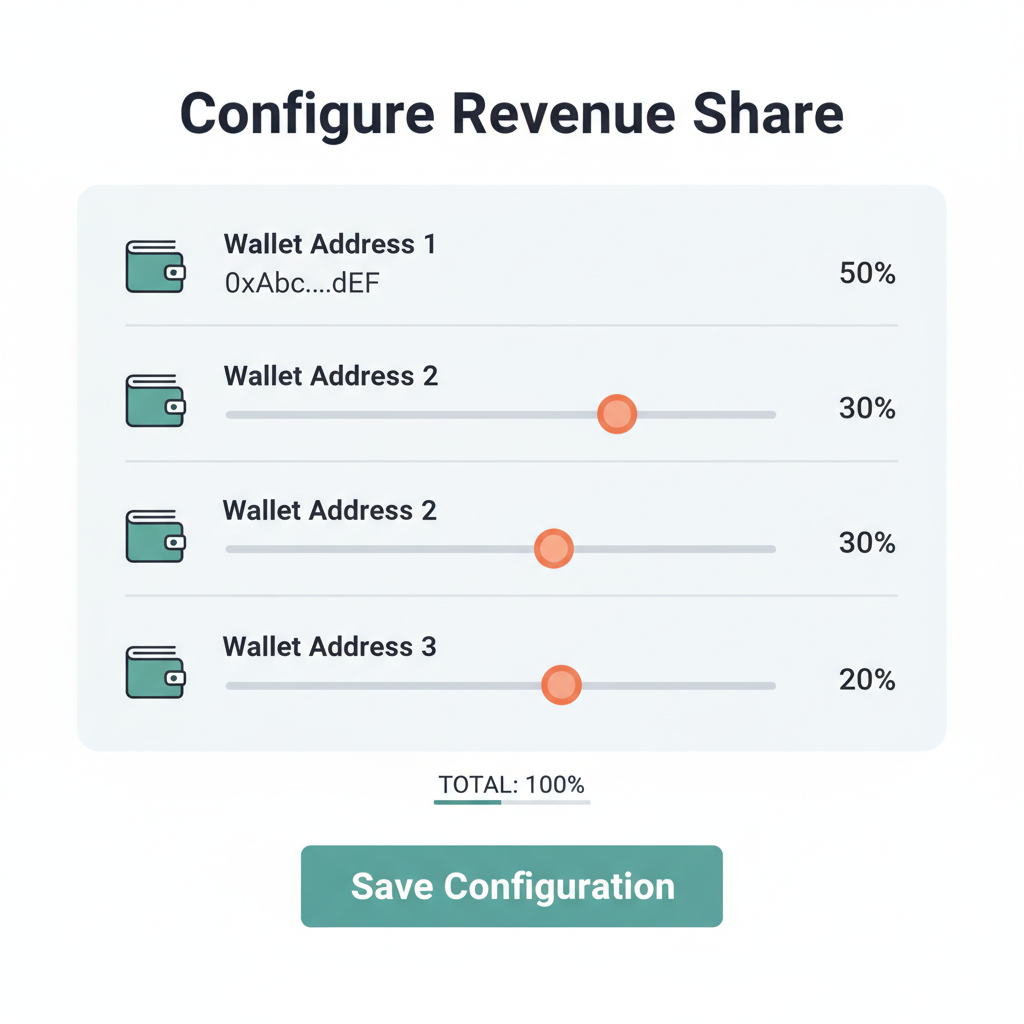
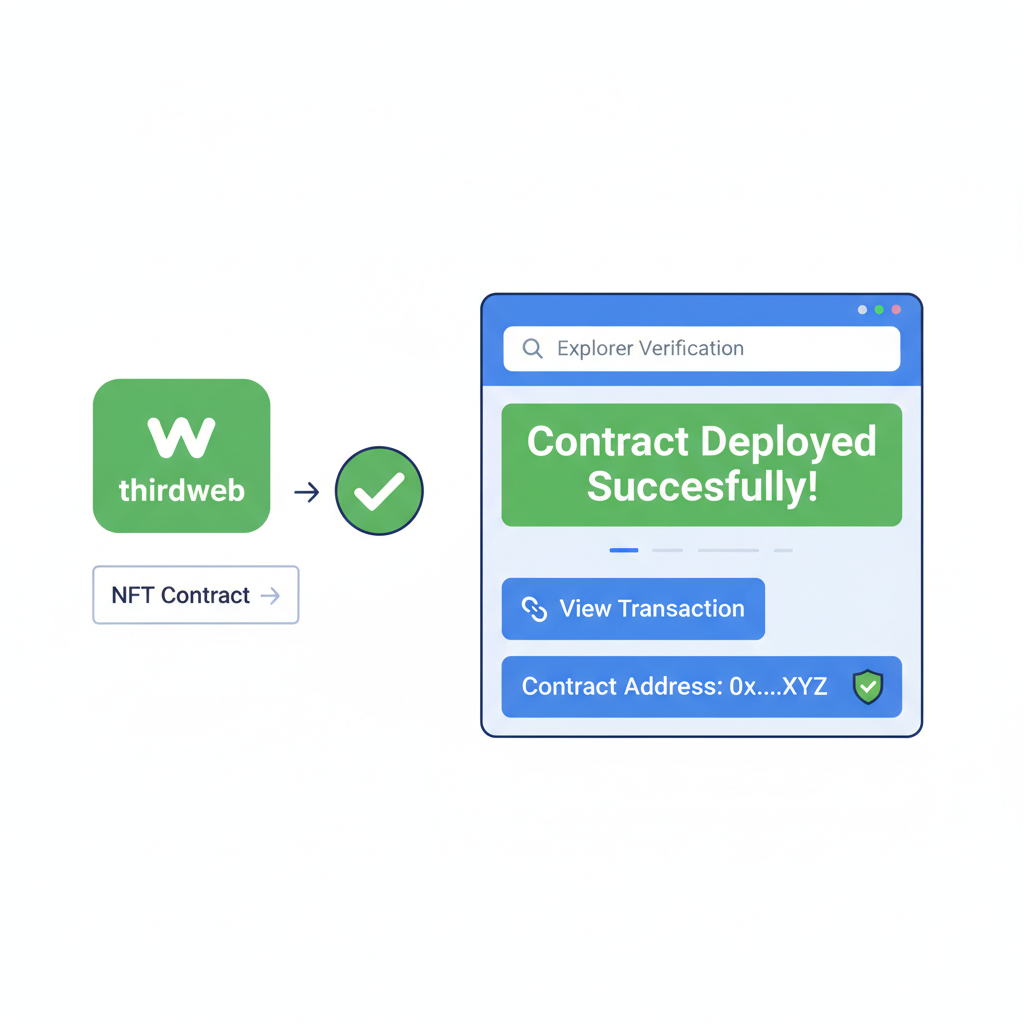
Platforms like Splits. org elevate this with composable, liquid variants: recipients get transferable NFT shares representing their cut, tradeable on OpenSea or LooksRare. Valerio Di Napoli's fractionalization insights align here, turning abstract entitlements into liquid assets. For marketplace operators, this scales effortlessly; thirdweb's deployable contracts let teams set shares for artists, producers, and collaborators upfront.
Opinion: This model trumps legacy systems by embedding economics in code, much like dividend policies in blue-chip stocks. Patience yields compounding returns, and on-chain splits enforce that discipline immutably.
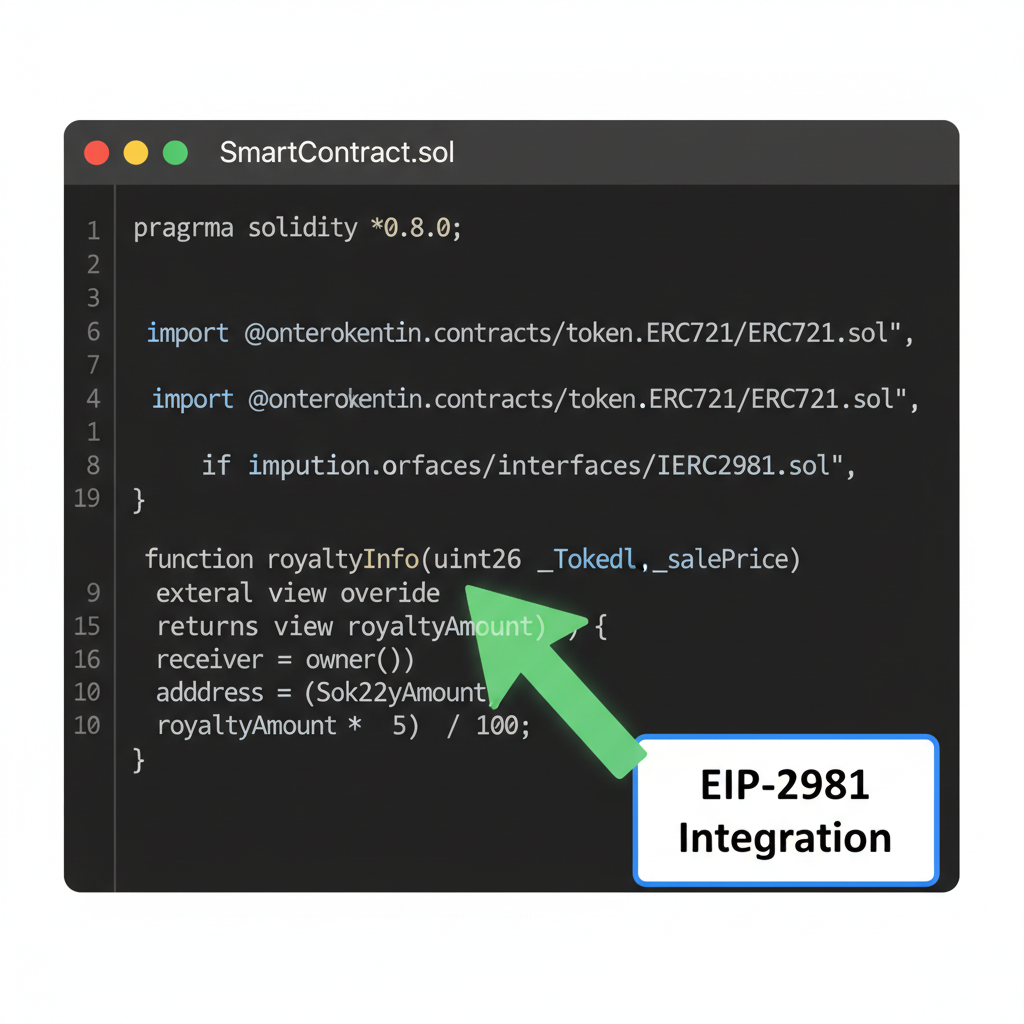
EIP-2981 standardizes on-chain royalties, per goldrush. dev's guide, allowing contracts to query uniform royalty data across tokens. Ahmad W. Khan's enforcement tutorial details integration into ERC-721/1155, where marketplaces query royalties pre-listing and route proceeds accordingly. Mokshya Protocol emphasizes automation: each resale triggers payouts to artists and teams proportionally.
Consider a collaborative drop: a split contract receives ETH from a secondary sale, deducts gas, and disburses instantly. Makersden. io notes frontend features like automated royalties keep creators engaged, while Unicly-style fractionalization extends ownership. In practice, envelop. is's revenue management tools make this plug-and-play, handling high volumes without bottlenecks.
From a portfolio lens, these contracts preserve capital like low-volatility bonds, distributing yields predictably amid market volatility. Marketplaces adopting them position for long-term dominance in the creator economy.
Real-world deployments underscore the transformative power of these mechanisms. Artist Black Dave's payout to 159 wallets exemplifies creator payouts at scale, routing proceeds atomically without delays or disputes. Platforms like Splits. org introduce liquid splits, where shares manifest as ERC-1155 NFTs, blending revenue rights with tradability. This fractional approach, echoed in Valerio Di Napoli's work, lets collaborators liquidate stakes swiftly, injecting vitality into team dynamics.
Quantifying the Scalability Edge
Traditional systems buckle under volume; manual splits invite latency and fees that devour margins. On-chain alternatives shine in metrics: thirdweb reports deployments handling thousands of distributions per drop, with gas costs under $10 per payout batch. Envelop. is's tools optimize further, supporting high-throughput chains like Base or Optimism for sub-second executions. From an equity analyst's desk, this efficiency rivals high-frequency trading desks, but democratized for creators.
Consider compliance: Iota Finance warns of accounting labyrinths in royalties, yet split contracts ledger everything immutably on-chain. Auditors verify balances via explorers, slashing reconciliation time by 90%. For marketplaces, this fortifies balance sheets, much as stress-tested derivatives preserved value in 2008 crises.
Deploy On-Chain Splits for NFT Royalties: thirdweb + EIP-2981 Guide
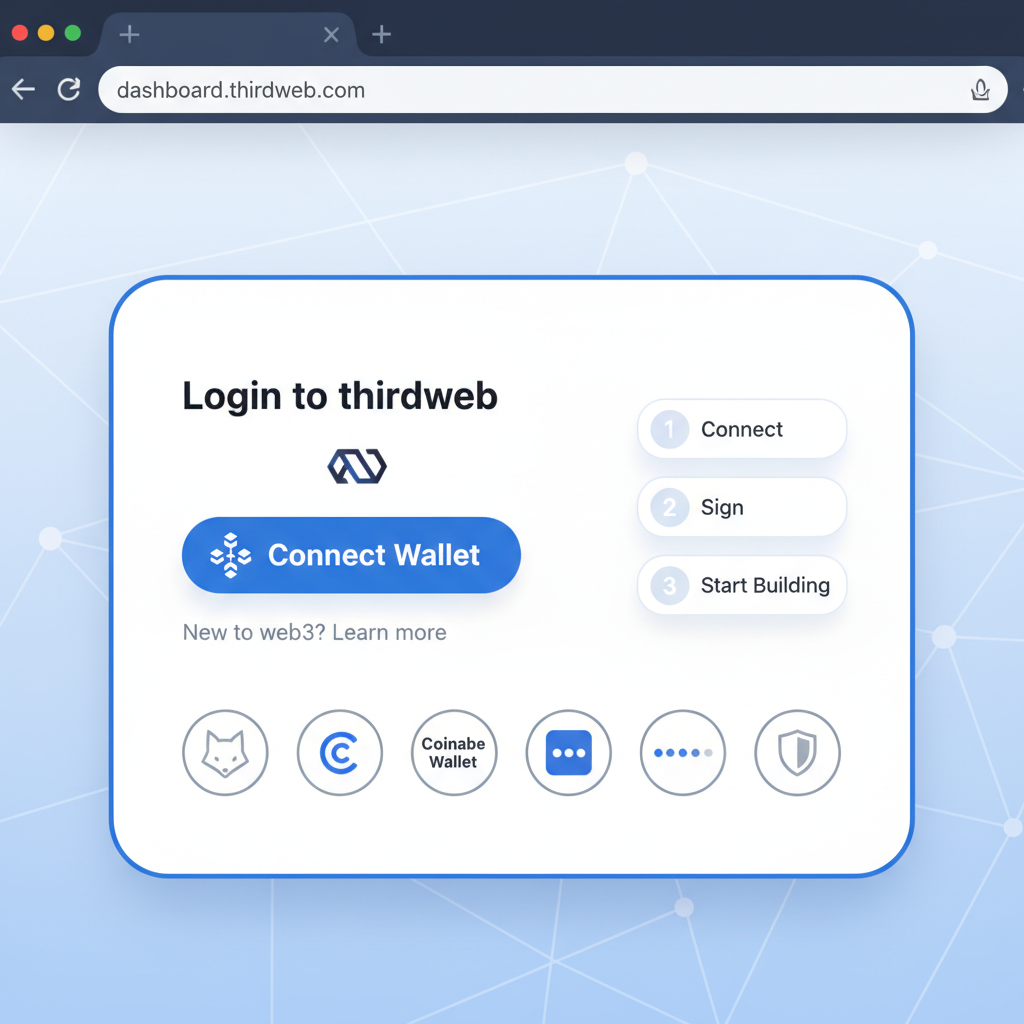
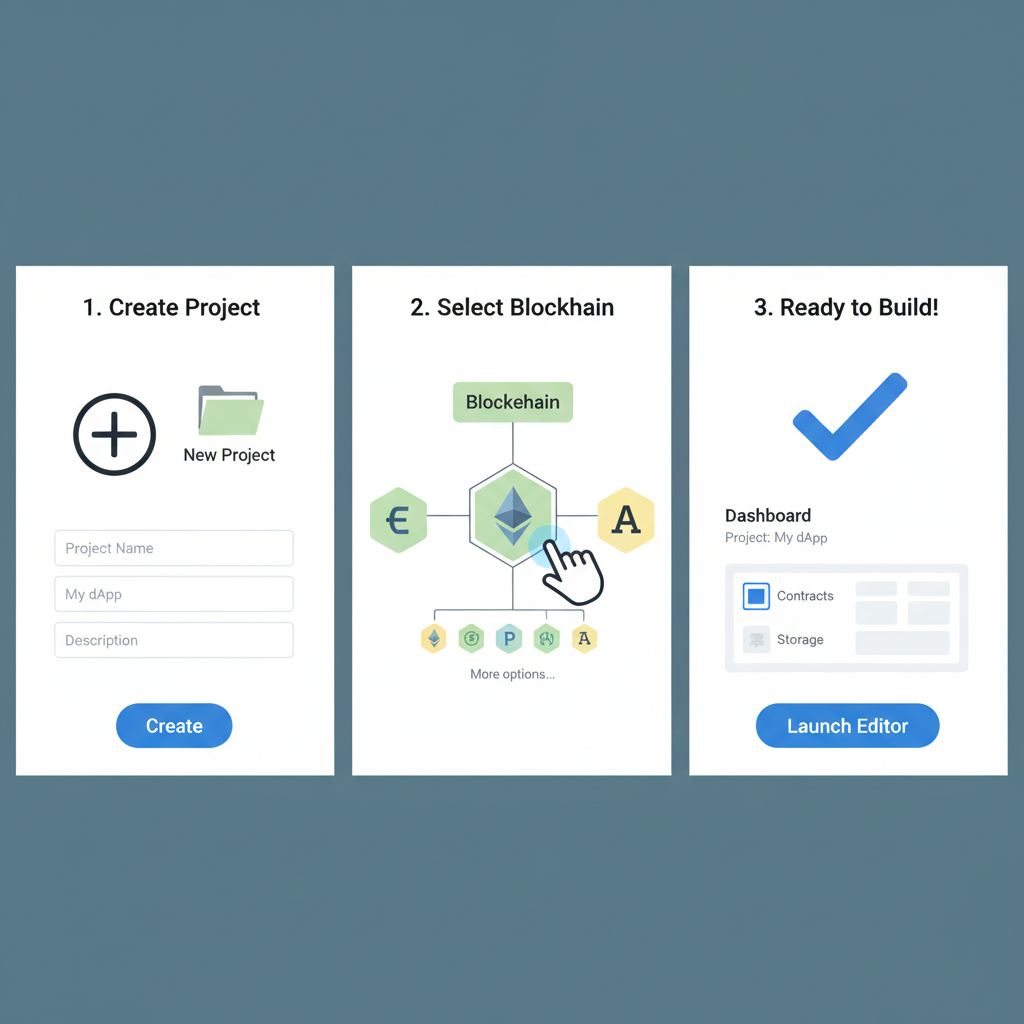
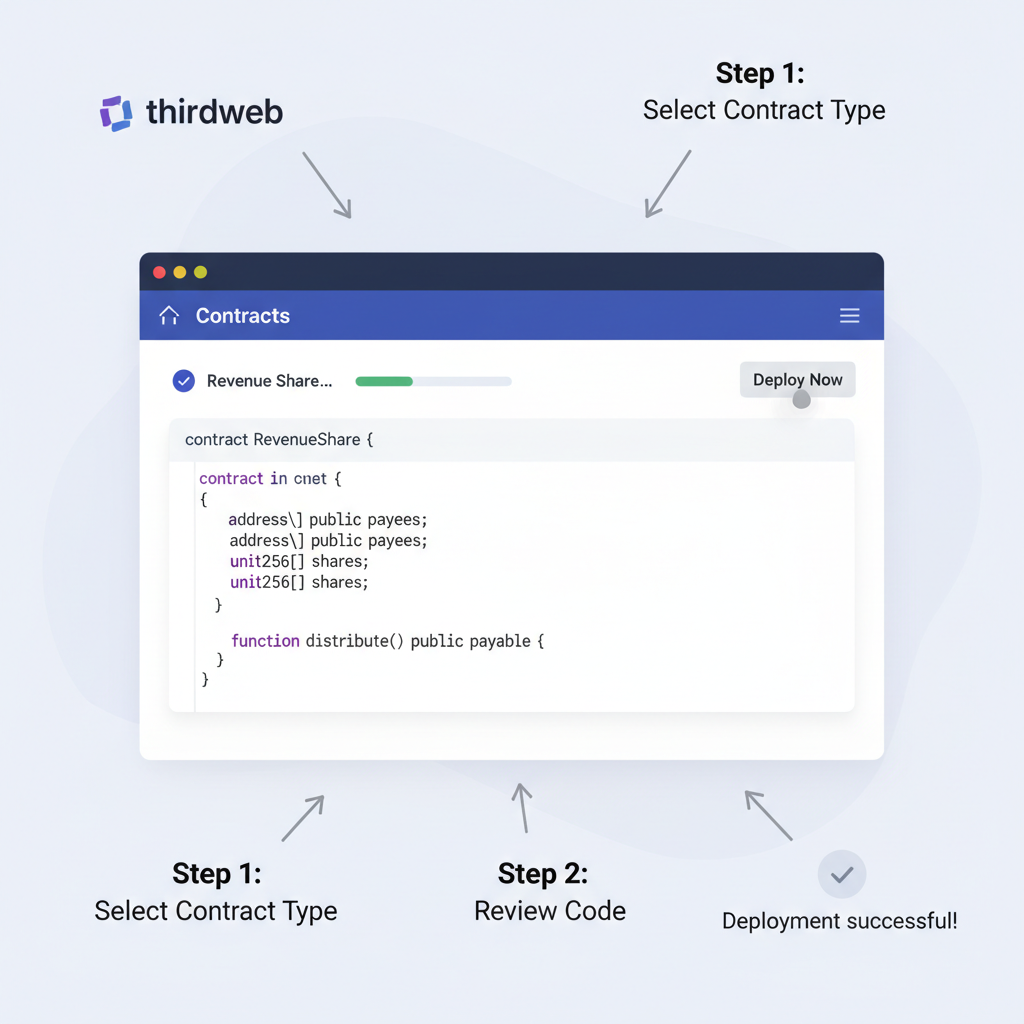

Opinion: Skeptics decry gas fees, but optimized contracts and layer-2 scaling render them negligible- often pennies per share. The true cost lies in blockchain revenue splits ignored; automating them compounds creator loyalty and marketplace stickiness over cycles.
Risk Mitigation and Best Practices
Deployment demands diligence. Goldrush. dev's EIP-2981 guide stresses uniform royalty queries to preempt mismatches. Integrate frontend checks, as makersden. io advises, displaying splits pre-purchase to build trust. Ahmad W. Khan outlines enforcement via hooks in ERC-721 transfers, ensuring royalties persist across platforms.
Edge cases abound: reentrancy guards prevent exploits, while upgradable proxies allow tweaks without migrations. Mokshya Protocol's smart contract overview recommends multi-sig controls for recipient lists, balancing flexibility with security. In volatile markets, these safeguards mirror stop-loss orders, preserving principal amid resale frenzies.
For operators eyeing scale, hybrid models blend on-chain enforcement with off-chain UX. A16z crypto's designs inspire composability: splits that nest within DAOs or yield farms, unlocking novel economics.
| Metric | Off-Chain Splits | On-Chain Splits |
|---|---|---|
| Transparency | Low (manual logs) | High (block explorer verifiable) |
| Speed | Weeks | Seconds |
| Cost per Payout | $50 and intermediaries | and lt;$1 gas-optimized |
| Scalability | 100s wallets max | 1000s and effortless |
This table distills the pivot point: on-chain split contracts aren't incremental; they redefine infrastructure for the creator economy.
Looking ahead, 2026 trends point to cross-chain interoperability via standards like ERC-7683, enabling seamless NFT marketplace revenue shares across ecosystems. Platforms like SplitPayOnChain. com pioneer this, fusing mass payouts with audit trails that rival institutional finance. Artists and operators who embed these now harvest sustained yields, patient compounding in Web3's maturing landscape.
Discipline trumps speculation; on-chain splits enforce that ethos, turning ephemeral hype into enduring value streams.


No comments yet. Be the first to share your thoughts!