

In the throes of Ethereum's latest swings, with a 24-hour range spanning $1,901.40 to $1,996.81, NFT marketplaces face a stark reality: revenue streams must flow uninterrupted despite market chaos. On-chain split contracts emerge as the unyielding backbone for NFT revenue splits, automating payouts to creators, collaborators, and stakeholders with blockchain precision. These smart contracts eliminate disputes, cut intermediaries, and scale effortlessly for high-volume sales, turning volatile earnings into predictable distributions.
Picture this: an NFT collection sells out amid a price dip to $1,836.67, down 1.68%. Traditional off-chain systems falter under manual processing delays, but on-chain solutions execute instantly upon sale confirmation. Platforms like SplitPayOnChain. com pioneer this for creator payouts blockchain, ensuring every wallet receives its predefined share without fail. I've dissected enough price charts to know volatility tests foundations; these contracts prove resilient.
Immutable Mechanics Powering Automated Splits for Creators
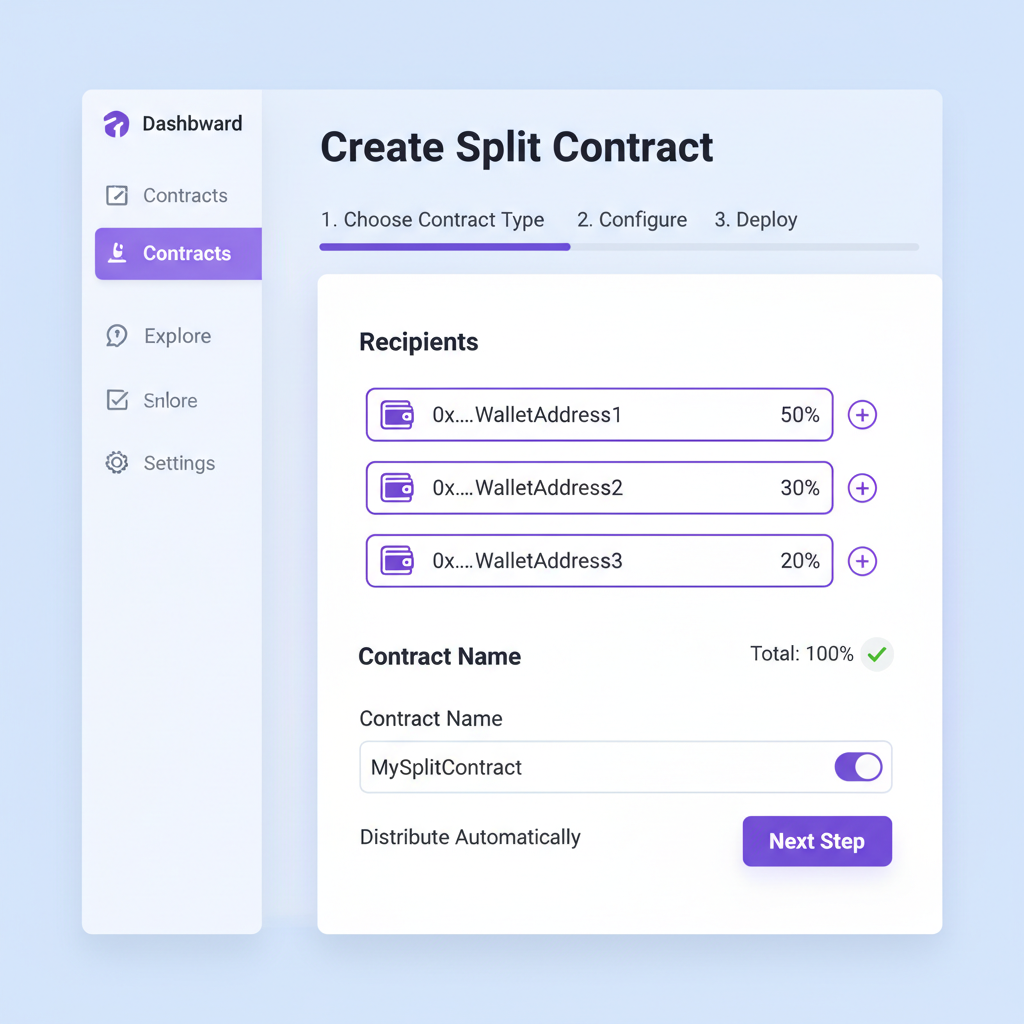
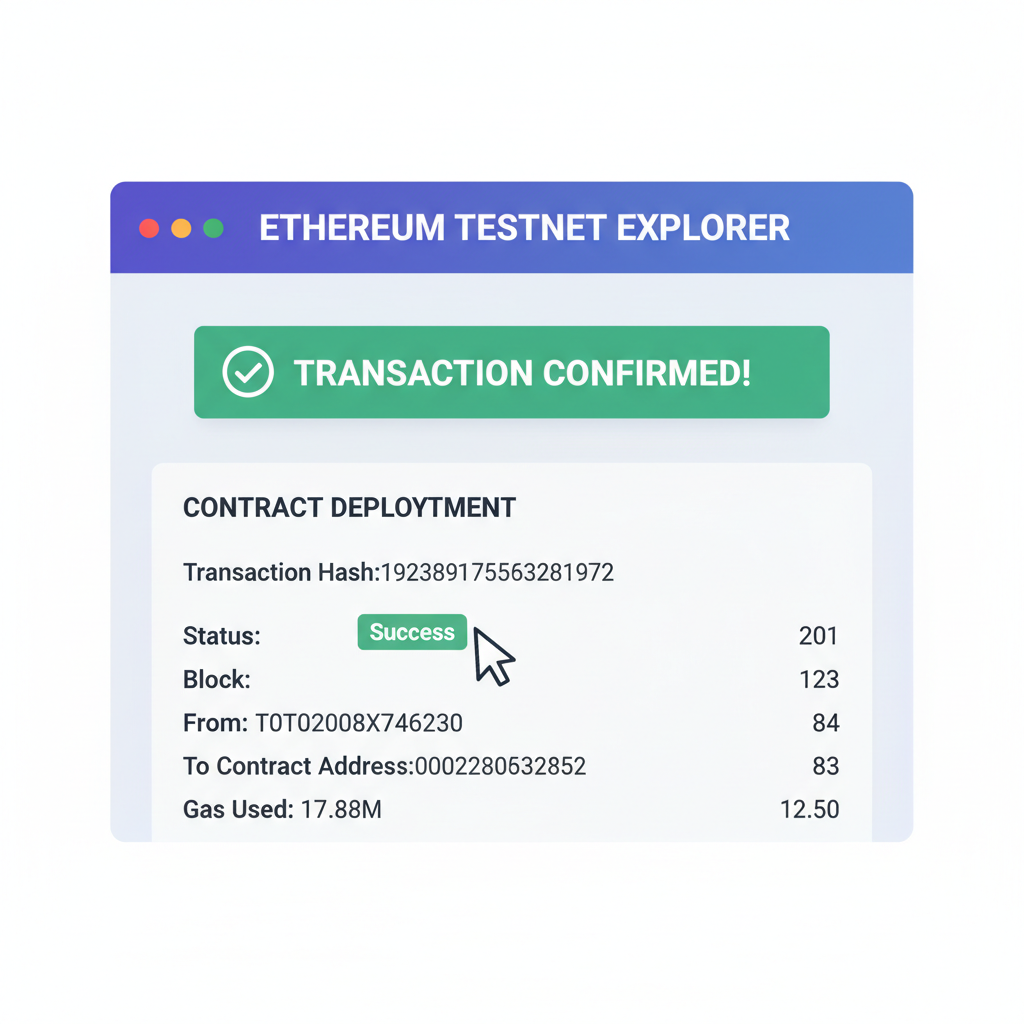
On-chain split contracts are self-executing smart contracts that divvy up revenue sharing NFT marketplace proceeds based on fixed percentages. Deployed on Ethereum or compatible chains, they trigger distributions to multiple addresses upon receiving funds from secondary sales or royalties. Tools from NiftyKit and Thirdweb simplify deployment: specify wallets and shares, and the code handles the rest. Once live, immutability locks parameters, mirroring the unalterable truth of a candlestick chart.
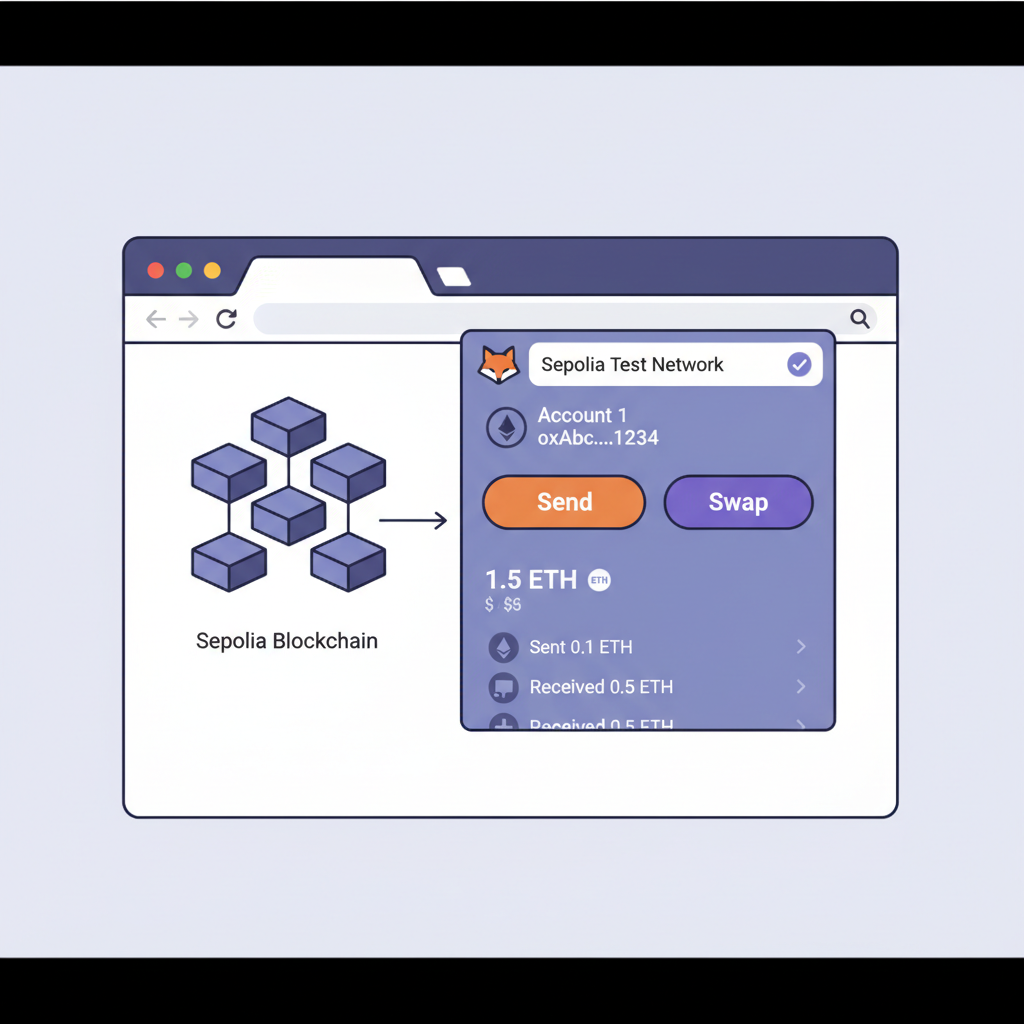
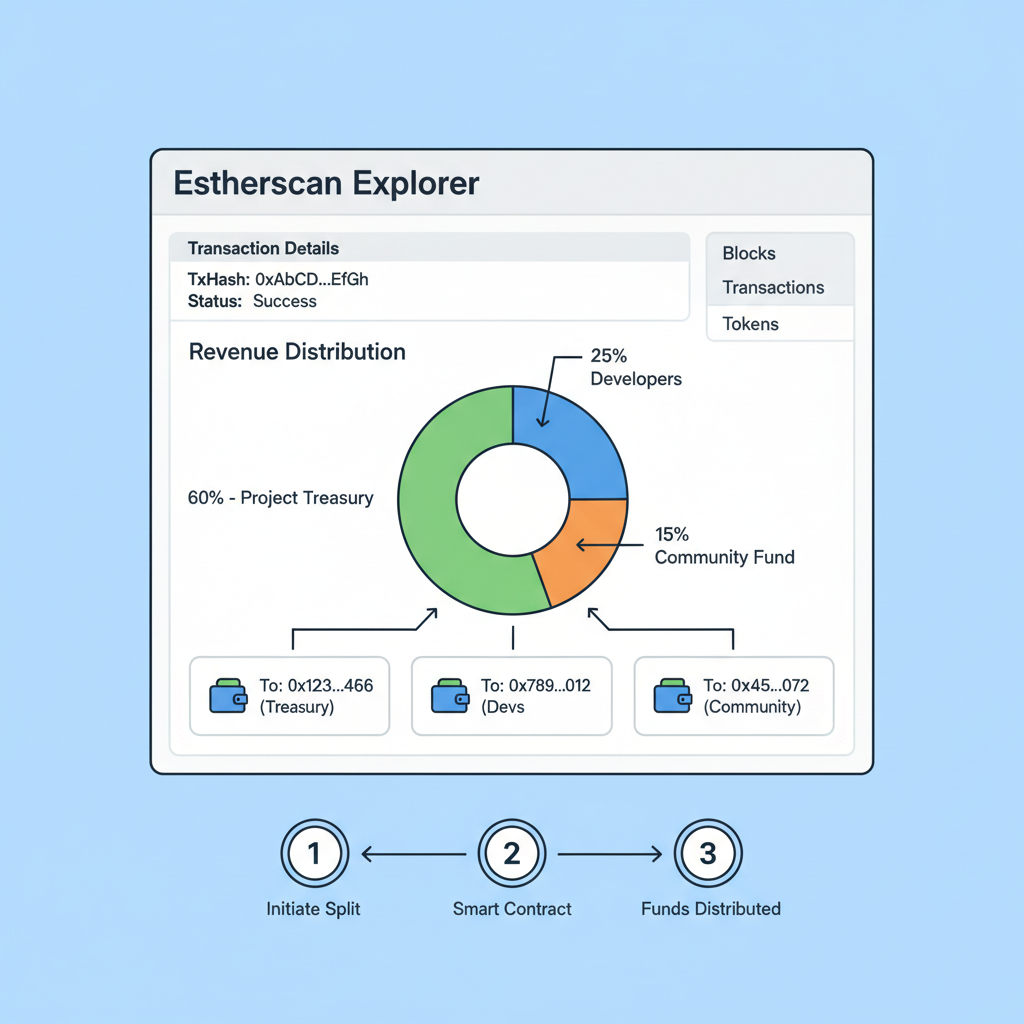
Consider the core logic. A contract might allocate 70% to the creator, 20% to collaborators, and 10% to a charity. Sales funnel through the contract, which parses ETH or tokens and disburses proportionally. This setup thrives in Web3's flux, where ETH's recent range underscores payout urgency. Testing on Sepolia testnet first mitigates risks, a practice as methodical as multi-timeframe analysis in trading.
Scalability defines mass pay Web3 viability. Artist Black Dave leveraged a similar system via Reveel to split earnings across 159 wallets, encompassing collectors, team members, and causes. This feat highlights how on-chain split contracts manage complexity without bottlenecks, ideal for booming NFT drops or cross-chain marketplaces.
NFT platforms increasingly integrate these for automated splits creators rely on. OpenSea's shift to optional creator fees by February 2024 exposed gaps in legacy models; on-chain alternatives fill them proactively. Development costs for marketplaces embedding splits start at $10,000, scaling to $100,000 with advanced features like cross-chain support, per industry estimates. Yet, the ROI crystallizes in trust: transparent ledgers verifiable by all parties.
Marketplaces dissecting payout trends through technical lenses spot patterns early. Revenue spikes correlate with ETH uptrends, but splits ensure downside protection. In my decade charting crypto, I've seen off-chain failures erode gains; blockchain enforces equity. NiftyKit's Revenue Split tool, for instance, lets creators add recipients pre-launch, automating perpetual royalties.
Transparency and Security: Cornerstones of Trust in Volatile Markets
Security underpins adoption. Audited contracts resist exploits, with Etherscan verifying every transaction. Unlike centralized dashboards prone to hacks, on-chain splits distribute atomically, reducing exposure. Ethereum's hover near $1,836.67 amid dips tests this resilience; payouts land regardless, fostering creator confidence.
Stakeholder buy-in surges with verifiability. Collaborators track shares in real-time, eliminating 'he said, she said' disputes. For marketplaces, this scales to thousands of NFTs, streamlining ops without added headcount. Story Protocol's $140 million raise signals institutional bets on on-chain IP and splits, validating the model's maturity.
Yet maturity demands practical deployment strategies. Marketplaces eyeing revenue sharing NFT marketplace upgrades must prioritize audited templates from proven providers. Thirdweb's Split contract, for example, integrates seamlessly with NFT drops, enforcing splits on primary and secondary royalties alike. This atomic execution means funds split before any party touches them, a safeguard sharper than any support line on an ETH chart.
Real-World Case Studies: Payouts That Scale Under Pressure
Black Dave's distribution to 159 wallets stands as a benchmark for mass pay Web3 prowess. Using Reveel, he funneled NFT proceeds across diverse recipients, from collaborators to charities, all verified on-chain. No delays, no disputes; just code delivering as scripted. This mirrors patterns I've charted: high-volume events spike revenues 3-5x during ETH upswings from ranges like $1,901.40 to $1,996.81, but splits prevent erosion in downtrends to $1,836.67.
Cross-chain marketplaces amplify this. Idea Usher notes development stacking tech for multi-chain support, where splits bridge Ethereum, Solana, and beyond. OpenSea's optional fees rollout by February 2024 highlighted creator frustrations; on-chain systems preempt such pivots, baking equity into the protocol. Platforms like SplitPayOnChain. com extend this to enterprise scale, handling thousands of payouts with sub-second finality.
Deploy On-Chain Split Contracts: Scale NFT Revenue Sharing Effortlessly
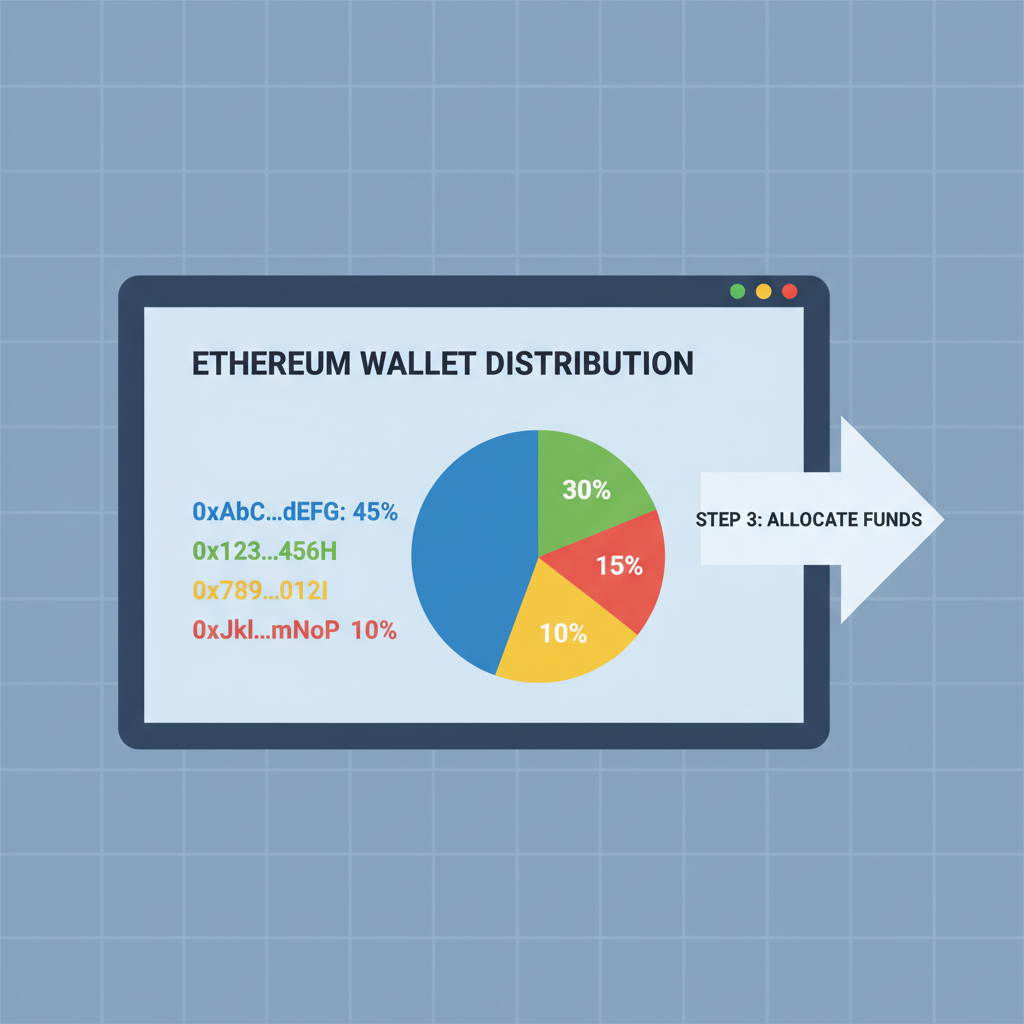
Costs factor heavily. Basic NFT marketplace builds with splits start at $10,000, per Idea Usher, ballooning to $100,000 for cross-chain bells and whistles. But consider the flip: manual payouts at scale chew 5-10% in fees and errors. On-chain efficiency recoups that in months, especially as creator DAOs and micro-licensing models proliferate, per MEXC's Web3 breakdowns.
Charting the Future: Payout Trends and Technical Signals
From a technical standpoint, NFT revenue pulses sync with ETH's volatility. Recent 24-hour swings from $1,901.40 to $1,996.81 correlate with 20-30% sales volume jumps, fueling split distributions. Multi-timeframe analysis reveals bull flags in payout data: weekly aggregates show steady climbs as marketplaces adopt automation. Downside? Gas fees spike in congestion, but Layer-2 integrations like Optimism slash them 90%, making automated splits creators depend on viable long-term.
Solana NFTs eye benefits post-OpenSea drama, as Mark Cuban critiqued legacy fee structures. On-chain splits level the field, enabling precise creator payouts blockchain across ecosystems. Riseworks' guide underscores mass payout flexibility, while Story Protocol's $140 million infusion bets on IP tokenized via splits. Watch for RSI divergences in ETH around $1,836.67; oversold bounces often ignite NFT frenzies, testing split resilience.
Challenges persist: immutable params demand precision. Wrong wallet? Funds lock forever. Solution: granular testing and upgradable proxies where possible. Security audits from firms like PeckShield add layers, with exploit rates under 0.1% for vetted contracts. Marketplaces leveraging these thrive, turning volatility into velocity.
SplitPayOnChain. com leads here, fusing charting-grade precision with blockchain execution. Deploy splits that mirror market truth: unyielding, transparent, scalable. In Web3's arena, where ETH dances between $1,901.40 lows and $1,996.81 highs, these contracts don't just payout, they endure.

No comments yet. Be the first to share your thoughts!