
In 2026, the NFT landscape splits into haves and have-nots faster than a K-shaped recovery curve, leaving multi-contributor projects scrambling for verifiable on-chain payouts that actually deliver. Forget trustless promises; teams building collaborative drops, gaming ecosystems, and DAO-driven art collectives demand ironclad multi-contributor splits baked into smart contracts. With BNB Chain gaming NFTs exploding and cross-chain marketplaces dominating, sloppy revenue shares kill momentum. Enter on-chain NFT projects wielding EIP-2981 and dynamic royalties to automate blockchain contributor payments, slashing disputes and fueling Web3 team revenue 2026 at scale. Platforms like SplitPayOnChain turn this chaos into tactical advantage, but only if you deploy right.

Seize Control: Why Multi-Contributor Projects Demand Verifiable Payouts Now
Picture this: Your squad drops a killer NFT series – artists, devs, marketers all grinding. Secondary sales hit, but royalties vanish into marketplace black holes. In 2026, that’s suicide. The Block’s outlook nails it: elite NFT-adjacent IPs thrive while the rest starve. Tactical creators counter with verifiable mechanisms, embedding splits directly on-chain to track every satoshi from primary mints to resale flips.
BNB-powered gaming NFTs lead the charge, per MEXC data, where high-volume trades demand instant, transparent web3 team revenue 2026. No more Excel spreadsheets or off-chain IOUs. Smart contracts execute multi-contributor splits flawlessly, reputation-weighted to reward grinders over freeloaders. Bankless predicts Ethereum Foundation drops and Coinbase IP grabs accelerating this; lag behind, and your project gets rugged by better-funded rivals.

Already live on Base, Polygon, ApeChain, Arbitrum, Optimism, Avalanche, Blast, Zora, SEI, Kaia, Abstract…
🔍 Learn more about enforced royalties:
https://t.co/xZfb3FX04X
Attack weak spots first: enforce royalties at 5-10% baseline, scaling with engagement metrics. This isn’t optional; it’s your moat against copycats flooding top marketplaces like those Antier Solutions flags as 2026 rulers.
Top 5 Reasons On-Chain Payouts Crush NFTs
-
EIP-2981 Enforcement: Weaponize NFT contracts with embedded royalties for automatic secondary sale payouts. Lock in revenue streams – crush marketplace opt-outs. Deploy now
-
Dynamic Adjustments: Tactical smart contracts auto-tune royalties via on-chain sales volume, engagement metrics. Merit-based domination – adapt or die. Battle-tested
-
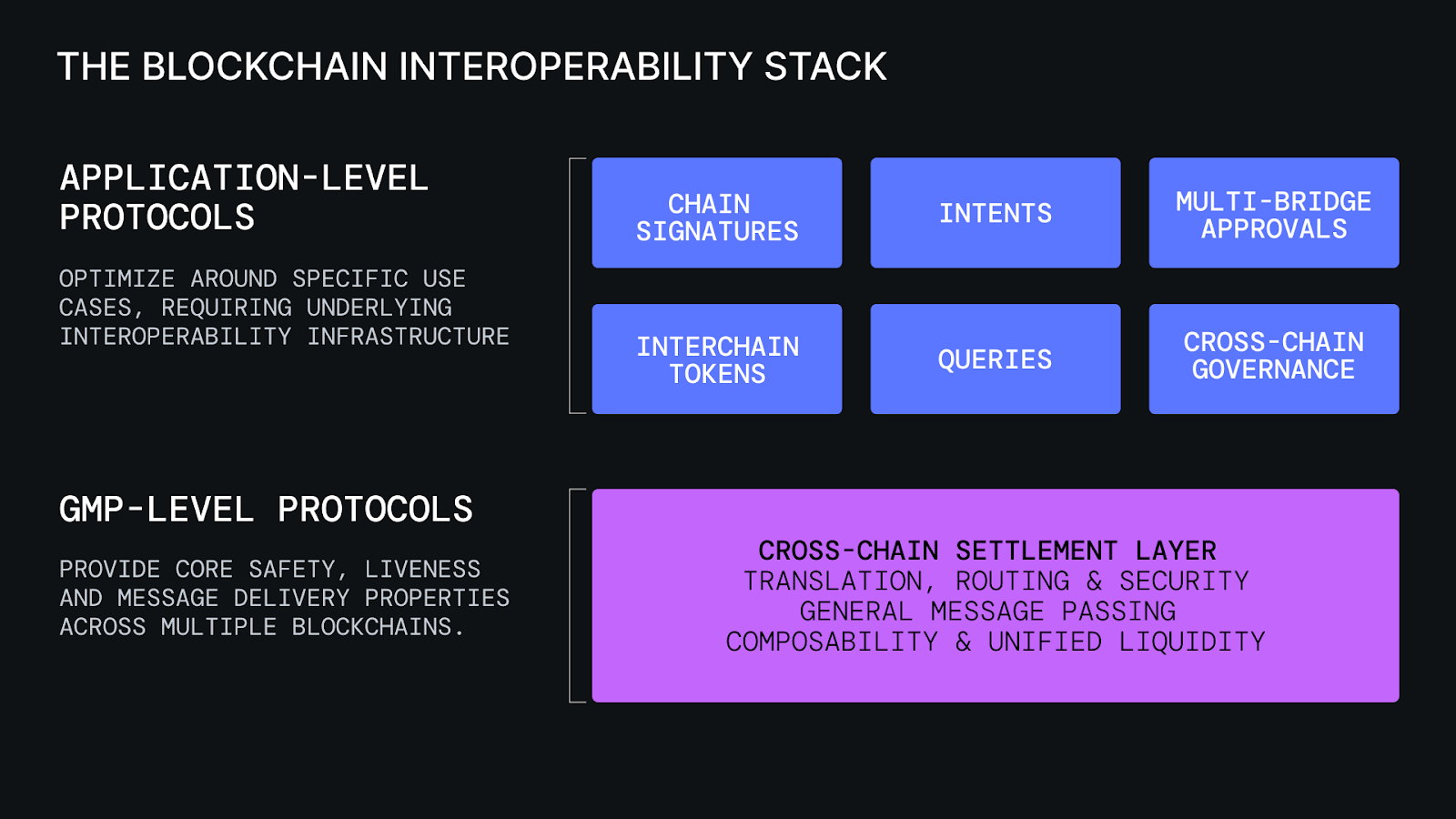
Cross-Chain Uniformity: ERC-2981 enforces royalties across Ethereum, Cardano marketplaces. Shatter chain silos, seize multi-chain dominance. Execute
-
DAO Governance: Arm payouts with governance tokens and contracts. Community firepower for transparent, scalable decisions – no weak links. Mobilize
-

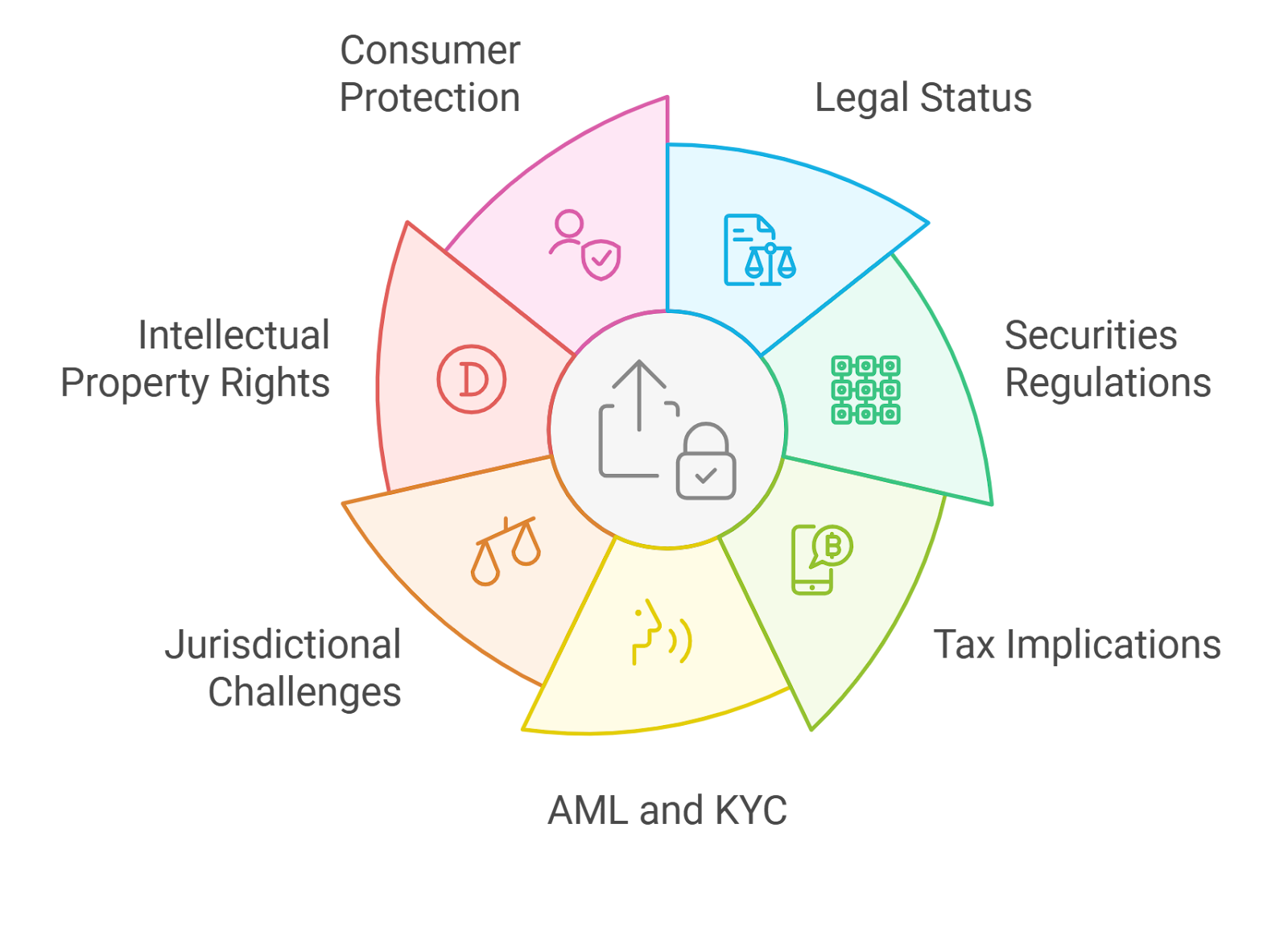
Regulatory Armor: MSB registration, AML/KYC fortifies against FinCEN, tax raids. Payout aggressively, conquer global regs. Fortify
EIP-2981 Locks In Your Revenue Stream – Deploy It Aggressively
EIP-2981 isn’t hype; it’s the standard crushing royalty evasion. Embed royalty info straight into NFT contracts, forcing secondary sales to auto-pay creators their cut. Encrypthos breaks it down: predetermined percentages flow continuously, no marketplace opt-outs. For on-chain NFT projects, this means 2026 multi-collabs mint with built-in payout logic, verifiable via any explorer.
Tactically, integrate at launch. Ethereum leads, but cross-chain tweaks via ERC-2981 variants hit Cardano and BNB, per Coinsclone’s NFT standards guide. ND Labs highlights NFT-Fi staking: holders leverage tokenized creds for DeFi yields, but only if base royalties hold firm. SplitPayOnChain scales this for high-volume, automating splits across hundreds of contributors without gas wars.
Dynamic Royalties: Meritocracy Over Mediocrity in Payouts
Static splits? Amateur hour. 2026 smart contracts pull on-chain data – sales velocity, holder retention, Discord vibes – to tweak royalties live. IJFMR research shows volume leaders grabbing bigger slices, consistency boosters holding steady. This meritocratic edge crushes flat distributions, aligning incentives for sustained pumps.
Cross-chain headaches? Solved. 7BlockLabs pushes uniform royalty data across bridges, ensuring your blockchain contributor payments don’t fragment. Gaming NFTs on BNB exemplify: top projects per MEXC embed these for guild payouts, turning trades into team warchests. Privacy plays like Aztec Network layer on encrypted txs, but payouts stay public and provable.
DAOs amplify: ZeroAuthority models fund via governance tokens, distributing via audited contracts. Regulatory heat? Platforms MSB-register, slam KYC/AML per TopmostLabs, dodging FinCEN hammers while scaling verifiable NFT payouts. Your move: audit contracts pre-mint, stress-test splits under 10x volume.
Scale it with SplitPayOnChain: their on-chain engine handles multi-contributor splits for thousands, no central chokepoints. Deploy once, forget forever – royalties cascade through secondary markets while you stack web3 team revenue 2026. RWA integrations from Cryptonews top picks like Ondo feed real yields into NFT treasuries, but only verifiable splits keep the pie fair.
DAO Warfare: Governance Tokens as Payout Precision Tools
DAOs aren’t fluffy collectives; they’re tactical war machines for on-chain NFT projects. ZeroAuthorityDAO blueprints show governance tokens voting payout ratios, with smart contracts executing on-chain. Propose a split tweak? Token holders battle it out, results etched immutably. This crushes off-chain drama, especially in gaming guilds where BNB NFTs per MEXC data pump guild funds via automated blockchain contributor payments.
Layer in NFT-Fi from ND Labs: stake collabs across Cosmos for DeFi access, using credentials as collateral. But weak payouts? Your DAO fractures. Tactical fix: hybrid models weighting votes by contribution proof – mints logged, sales tracked, engagement scored. 4IRE’s billion-dollar ideas spotlight this for startups; ignore it, and competitors with cleaner splits raid your holders.
Deploy This Reputation-Weighted Royalty Splitter: Enforce EIP-2981 Payouts
Strike hard: This EIP-2981 royalty receiver obliterates unfair splits. Point your NFT contract’s royaltyInfo() to this address. Reputation weights dictate payouts—update them tactically to reward killers.
```solidity
// SPDX-License-Identifier: MIT
pragma solidity ^0.8.20;

contract ReputationWeightedRoyaltySplitter {
    struct Contributor {
        address payable wallet;
        uint256 reputation;
    }

    Contributor[] public contributors;
    uint256 public totalReputation;
    address public owner;

    event ReputationUpdated(uint256 indexed contributorId, uint256 oldRep, uint256 newRep);
    event Distribution(address indexed caller, uint256 totalAmount);

    modifier onlyOwner() {
        require(msg.sender == owner, "Not owner");
        _;
    }

    constructor(address _owner) {
        owner = _owner;
    }

    function addContributor(address payable _wallet, uint256 _rep) external onlyOwner {
        contributors.push(Contributor(_wallet, _rep));
        totalReputation += _rep;
    }

    function updateReputation(uint256 _contributorId, uint256 _newRep) external onlyOwner {
        require(_contributorId < contributors.length, "Invalid contributor ID");
        uint256 oldRep = contributors[_contributorId].reputation;
        totalReputation -= oldRep;
        contributors[_contributorId].reputation = _newRep;
        totalReputation += _newRep;
        emit ReputationUpdated(_contributorId, oldRep, _newRep);
    }

    function distribute() external {
        uint256 balance = address(this).balance;
        require(balance > 0, "No funds to distribute");
        uint256[] memory shares = new uint256[](contributors.length);
        for (uint256 i = 0; i < contributors.length; i++) {
            shares[i] = (balance * contributors[i].reputation) / totalReputation;
            contributors[i].wallet.transfer(shares[i]);
        }
        emit Distribution(msg.sender, balance);
    }

    receive() external payable {}
}
```
Deploy now. Receive royalties from marketplaces. Call distribute() to execute on-chain splits. Verify every tx. Dominate multi-contributor NFT royalties in 2026—no compromises.
Regulatory flak intensifies in 2026. TopmostLabs warns: unregistered platforms court FinCEN shutdowns. MSB status, KYC gates, AML sweeps - build them in or bleed dry. Privacy coins like Aztec from Zipmex airdrops encrypt holdings, but payouts demand transparency. Balance both: zero-knowledge proofs verify splits without doxxing contributors. Blockpit's crypto picks thrive here; your project survives by outmaneuvering compliance traps.
Cross-Chain Onslaught: Uniform Splits or Get Siloed
Marketplaces ruling 2026 per Antier? They enforce cross-chain royalties or bust. Coinsclone mandates Ethereum-Cardano bridges carrying EIP-2981 data intact. 7BlockLabs tactics: standardize metadata at mint, propagate via oracles. Gaming NFTs on BNB exemplify - high-activity ecosystems demand verifiable NFT payouts spanning Solana flips to ETH auctions. SplitPayOnChain's mass-pay tech blitzes this, batching splits at warp speed without bridge exploits.
Bankless predictions nail the shift: NFTs as software, Ethereum Foundation drops embedding native splits. Coinbase IP hunts target proven royalty machines. Your edge? Preempt with dynamic models - sales velocity boosts top artists 15%, retention locks baseline 5%. RWA booms tie physical assets to digital royalties; stake a tokenized condo slice, payout flows to collab teams. Lag, and you're the have-not in The Block's K-curve.

High-stakes plays demand hybrid hedges. Like theta-decaying options, time your mints for low-gas windows, lock splits pre-hype. Stress-test: simulate 100x volume, audit for reentrancy. Platforms fumbling this? Rivals feast. SplitPayOnChain arms you with audited primitives, scaling web3 team revenue 2026 into seven figures without intermediaries.
Deploy these now, and your multi-contributor squad dominates. Verifiable mechanisms turn collaborative chaos into compounded gains, outpacing solo acts and sloppy teams. In a K-shaped NFT arena, tactical splits aren't luxury - they're survival.
About the Author