
In the cutthroat arena of multi-creator NFT projects, revenue disputes can torpedo collaborations faster than a bear market. Picture this: a killer drop with artists, coders, and marketers pooling talent, only for payout drama to fracture the team post-mint. Split contracts obliterate that risk, automating collaborative NFT revenue splits on-chain with surgical precision. Platforms like SplitPayOnChain. com lead the charge, scaling on-chain multi-party payouts for high-volume creator economies without the middleman leach.

Weaponize Split Contracts Against Payout Chaos
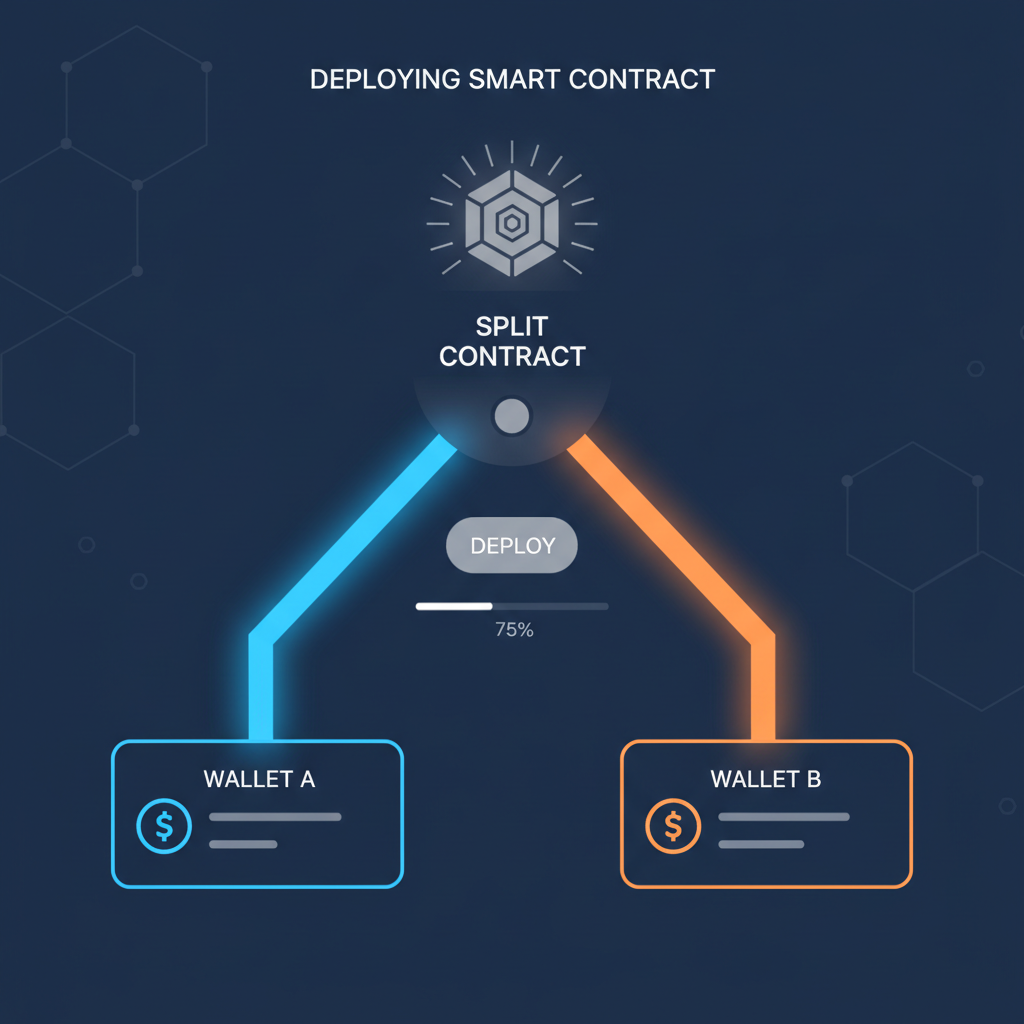
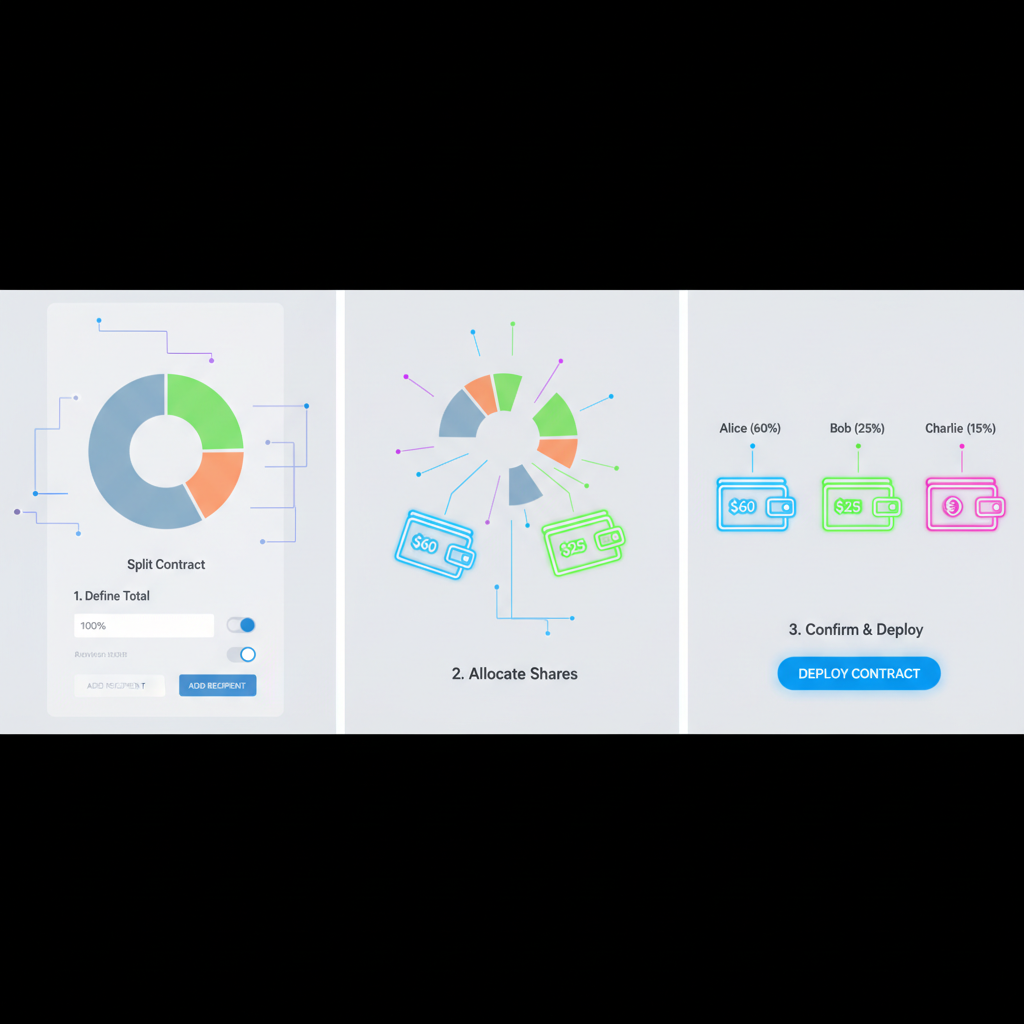
Split contracts aren’t some fluffy Web3 buzzword; they’re tactical smart contracts that dissect revenues among stakeholders in real-time. Per iMintify, they slice proceeds from NFT sales or royalties across multiple wallets based on predefined stakes. Forget Excel sheets and Venmo roulette- deploy one, and every primary or secondary sale triggers instant, transparent distributions. Thirdweb nails it: program revenue splits for drops, ensuring coders get their 20%, artists 40%, and marketers the rest, no questions asked.
This isn’t optional for NFT project splits. Reddit threads scream it: map Ethereum addresses to percentages, and sales auto-route funds. In multi-creator setups, where egos clash and contributions vary, splits enforce discipline. High-volume projects? They handle thousands of transactions without gas bloat, thanks to optimized bytecode. SplitPayOnChain. com amps this with mass-pay infrastructure, hedging against Ethereum congestion like a pro options trader scalps theta decay.
Crush Multi-Creator Chaos: Deploy Thirdweb Split Contracts for NFT Revenue Domination

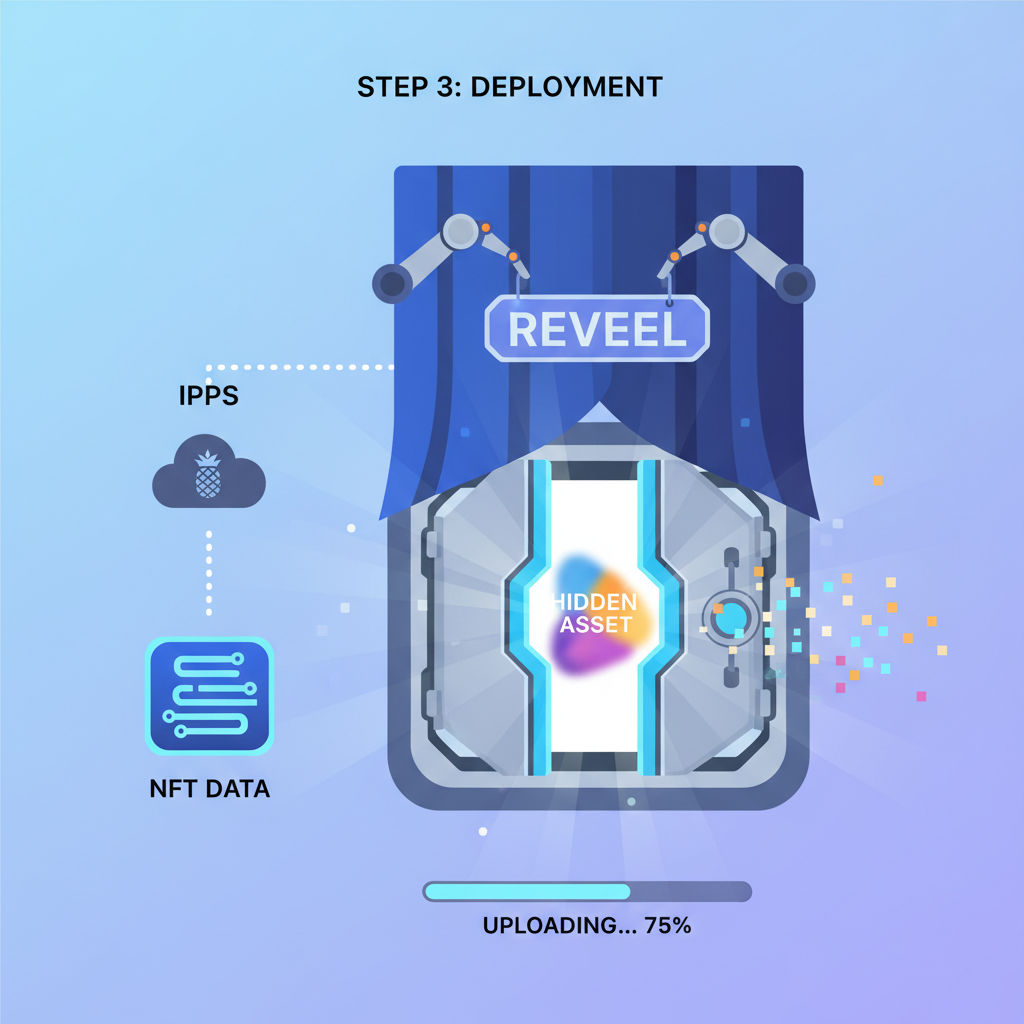
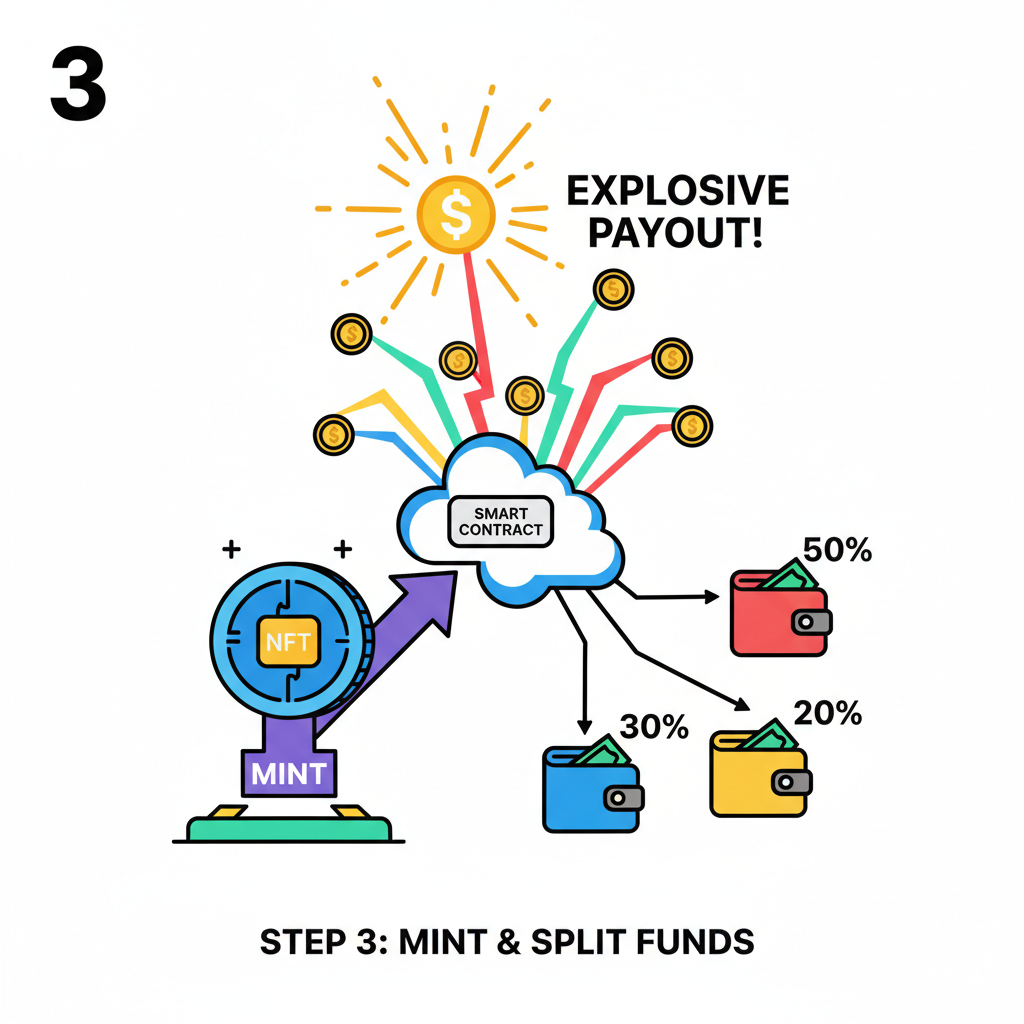
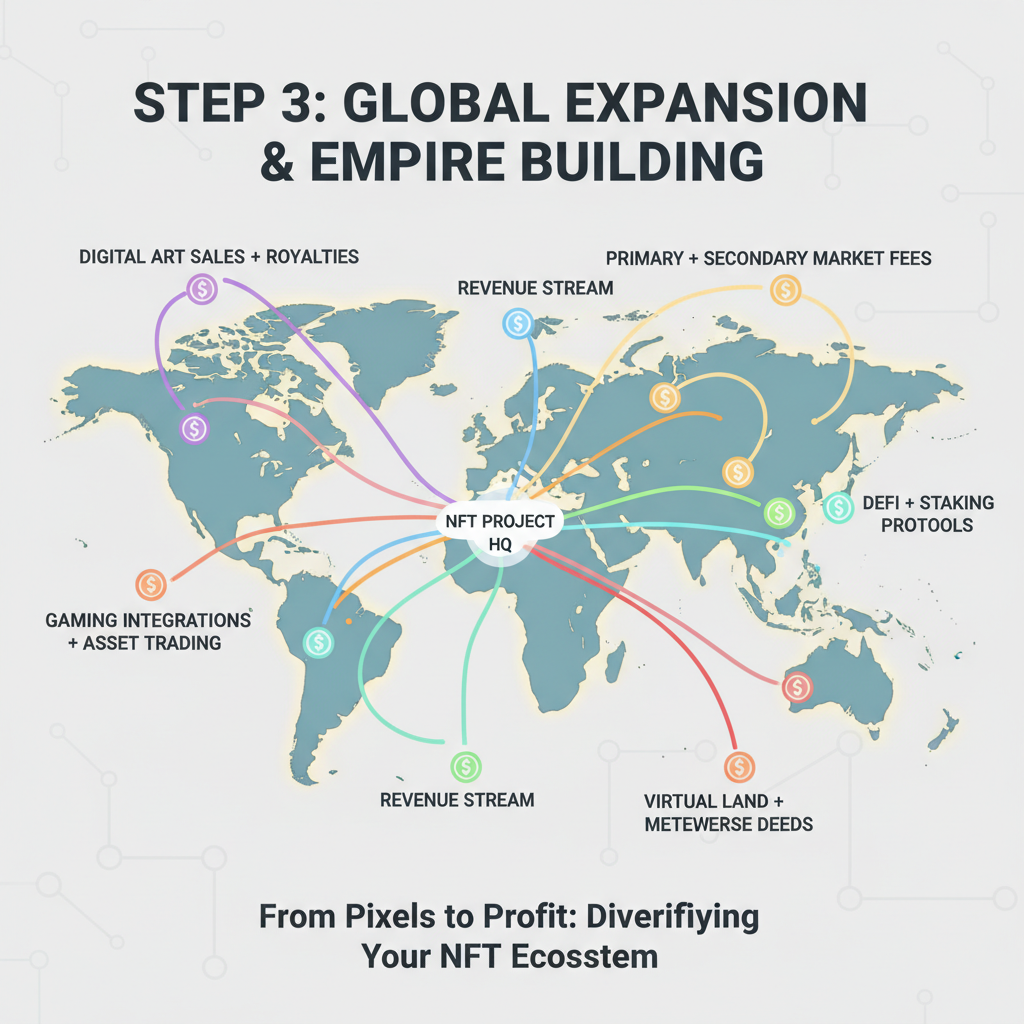
Resistance is futile. Manual payouts invite audits, taxes, and beefs; on-chain splits are auditable, immutable, and aggressive in execution. ChainScore Labs calls them the backbone of creator monetization, powering royalties that stick through resales.
Platforms Crushing It: Zora, OpenSea, and Beyond
2026’s landscape favors the bold. Zora’s Splits integration lets artists deploy custom splits mid-edition creation, turning solo drops into Web3 creator collaborations. Edit an NFT, assign percentages, done- earnings flow on-chain to collaborators without friction. OpenSea matches this ferocity, enabling multiple creators to split listing proceeds, even tossing in charitable cuts for good measure.
Foundation keeps it lean: share with up to three recipients, capturing both primary mints and secondary flips. These aren’t gimmicks; they’re battle-proven for real projects. Manifold Studio’s wallet splits, as demoed in StoryTime DAO tutorials, let artists test-drive before launch. But for scale? NFT-Inator deploys no-code contracts for $20 in minutes, while Fourchain and LeewayHertz push fractionalized NFTs- splitting ownership itself into tradeable fractions.
SplitPayOnChain. com outflanks them all, tailored for marketplaces and DAOs handling split contracts multi-creator NFT ops at warp speed. No more siloed tools; integrate, automate, dominate.
Deploy with Solidity Precision: Your Tactical Code Arsenal
DIY warriors, listen up. Writing a solid NFT smart contract demands rigor- Quicknode’s 73-point checklist is your drill sergeant. But for splits, start lean: inherit ERC-721, hook into transfer events, and route ETH via mappings.
Tactically, audit pre-deploy. High-risk? Use hybrid proxies for upgradability. SplitPayOnChain. com abstracts this complexity, letting you focus on alpha- not debugging gas wars. Next up: scaling these beasts for 10k and holder projects without breaking stride.
About the Author