
In the frenetic creator economy, where NFT sales can explode overnight and royalties cascade across thousands of wallets, manual payouts are a recipe for chaos. On-chain split contracts for NFTs flip this script, automating creator revenue splits blockchain with surgical precision. Picture this: a single secondary sale triggers instant distributions to artists, devs, and DAOs, all enforced by code that never sleeps. As someone who’s hedged billion-dollar derivatives portfolios, I see these contracts as the options strategies of Web3 – versatile tools that lock in value amid market swings.

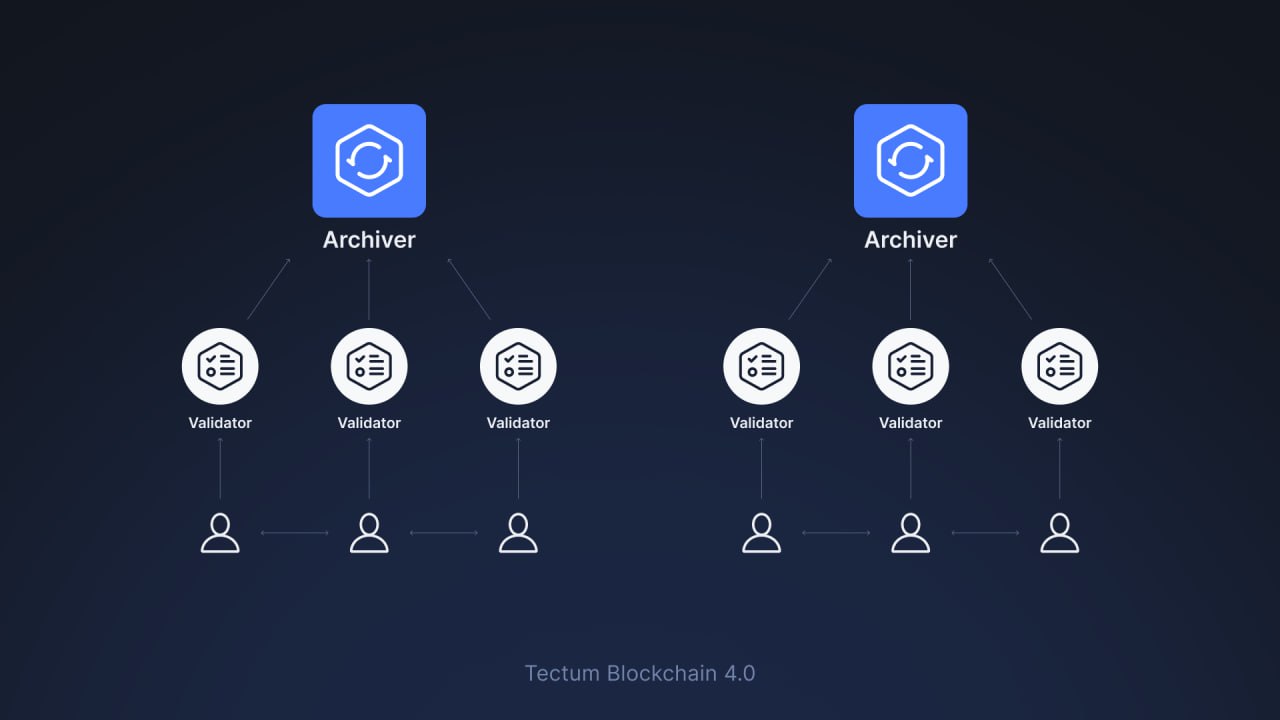
Recent innovations, like those from thirdweb and 0xSplits, make deploying these beasts straightforward. Revenues from primary drops or secondary royalties flow directly into a contract address, sliced by predefined percentages totaling 100%. No intermediaries, no disputes, just pure, auditable execution on Ethereum or Polygon. This isn’t hype; it’s the backbone for mass payouts Web3 creators demand as collections scale to tens of thousands.
The Pitfalls of Off-Chain Royalties and Why On-Chain Wins
Traditional NFT royalties? They’re a cat-and-mouse game, as Hedera aptly notes. Marketplaces dodge fees, funds get stuck, and creators chase payments like ghosts. Pros of on-chain enforcement shine through: immutable logic calculates royalties – say, 5% on a 1 ETH resale yields 0.05 ETH straight to stakeholders. Cons like gas fees? Mitigated by Layer 2s and batching.
a16z crypto highlights designs leaning on incentives, but on-chain split contracts NFT go further, integrating waterfalls and Merkle claims to prevent leaks, per Quaxel’s Medium deep-dive. Waterfalls prioritize payouts sequentially; Merkle trees enable gas-efficient claims for massive groups. Streaming via Superfluid adds real-time drips, perfect for ongoing royalties.
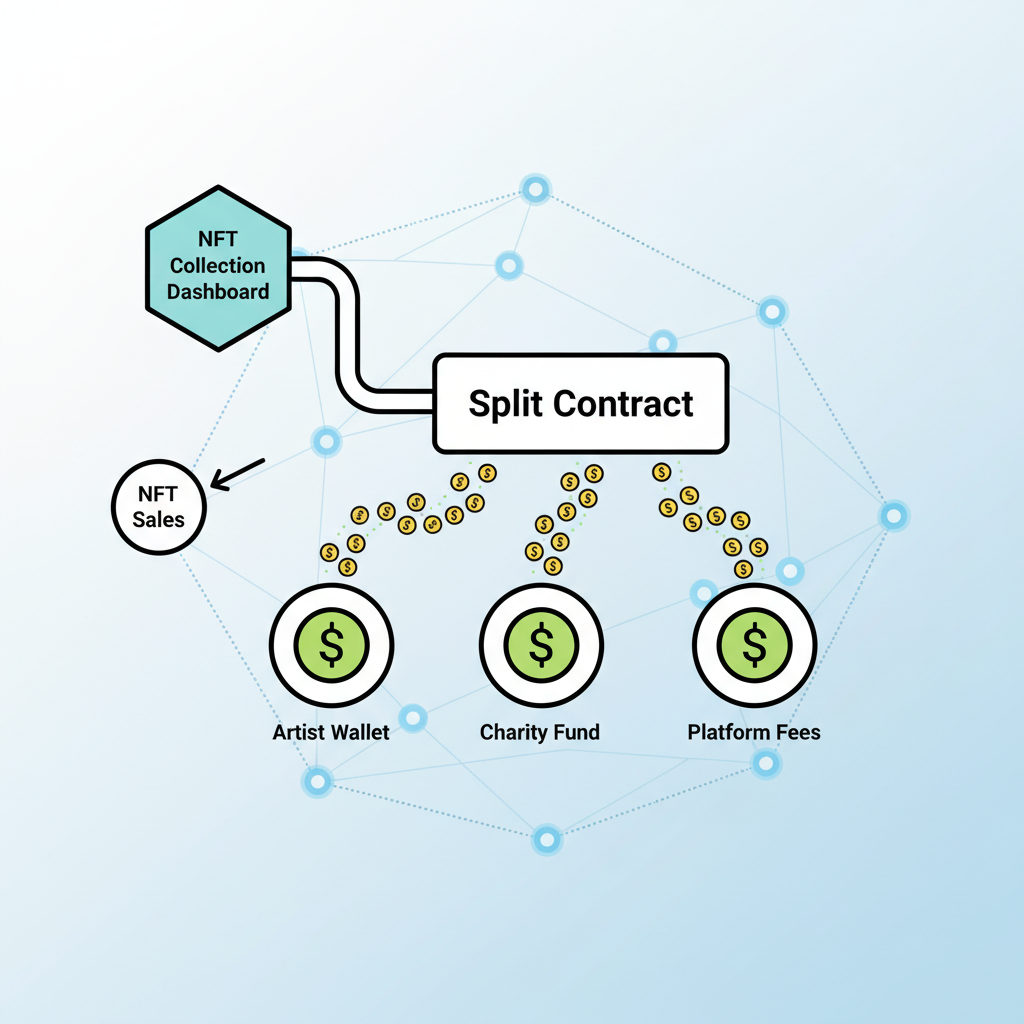
Revenues from NFT sales and royalties hit the split contract and distribute to predefined addresses – no leaks, no manual claims.
For high-volume marketplaces, this hybrid approach suits volatile drops. My derivatives background screams hedging: splits act like collars, capping downside while capturing upside shares automatically.
Scale NFT Royalties: Deploy Split Contracts from Zero to Thousands in Minutes
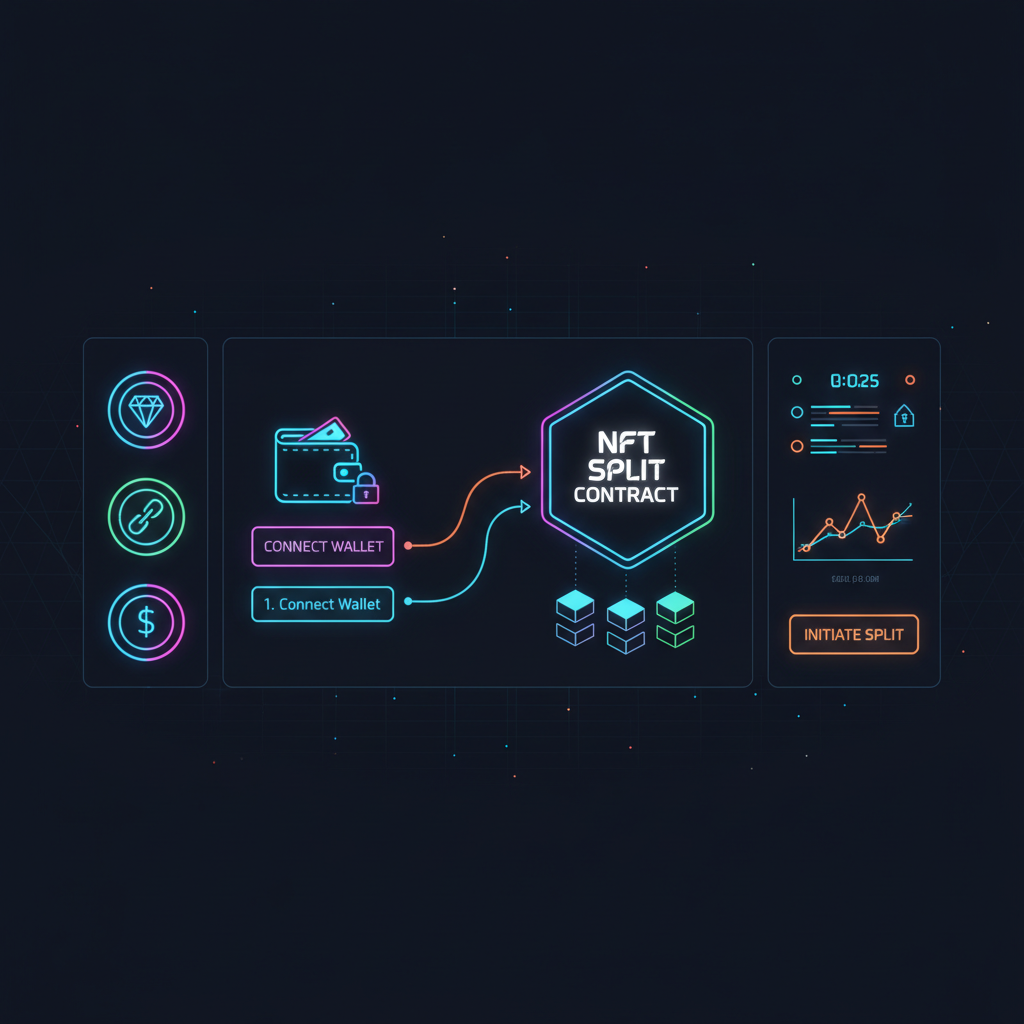
MoonPay’s splitter for HyperMint NFTs exemplifies standalone power; Artiffine’s on-chain revenues show collection-wide automation. Tatum’s percentage-based royalties extend this to creators indefinitely. DAOs thrive here – contributions logged on-chain dictate splits, scaling to thousands without a single email.
Industry standards hover at 2.5-10% royalties, but complexity arises in multi-creator projects. Iota Finance nails it: one sale, multiple triggers. Custom logic handles this, blending fixed and dynamic shares for fairness.
Strategic Edges: Security, Speed, and Scalability Unleashed
Security first – audited patterns from Quaxel dodge stuck funds. Speed? Batched payouts slash gas; scalability? Handles 10k and creators via Merkle proofs. Makingascene. org’s hybrid music-NFT model proves real monetization: Audius exposure funnels to split-backed sales.
Ahmad W Khan’s guide demystifies enforcement: no-code for speed, custom for nuance. In my view, these are the Swiss Army knives of NFT finance – adaptable for aggressive hedging against flop risks or viral moons. As NFT volumes rebound, platforms ignoring splits risk creator exodus.
Rebounding volumes mean one thing: platforms must prioritize automated NFT royalties contracts that scale without fracturing. Enter SplitPayOnChain. com, where my derivatives-honed strategies meet blockchain’s raw power. We engineer splits for high-volume NFT marketplaces, treating royalties like commodity options – layered protections that payout precisely when volatility spikes.
Deploying a Thirdweb Split for Massive Royalty Distribution
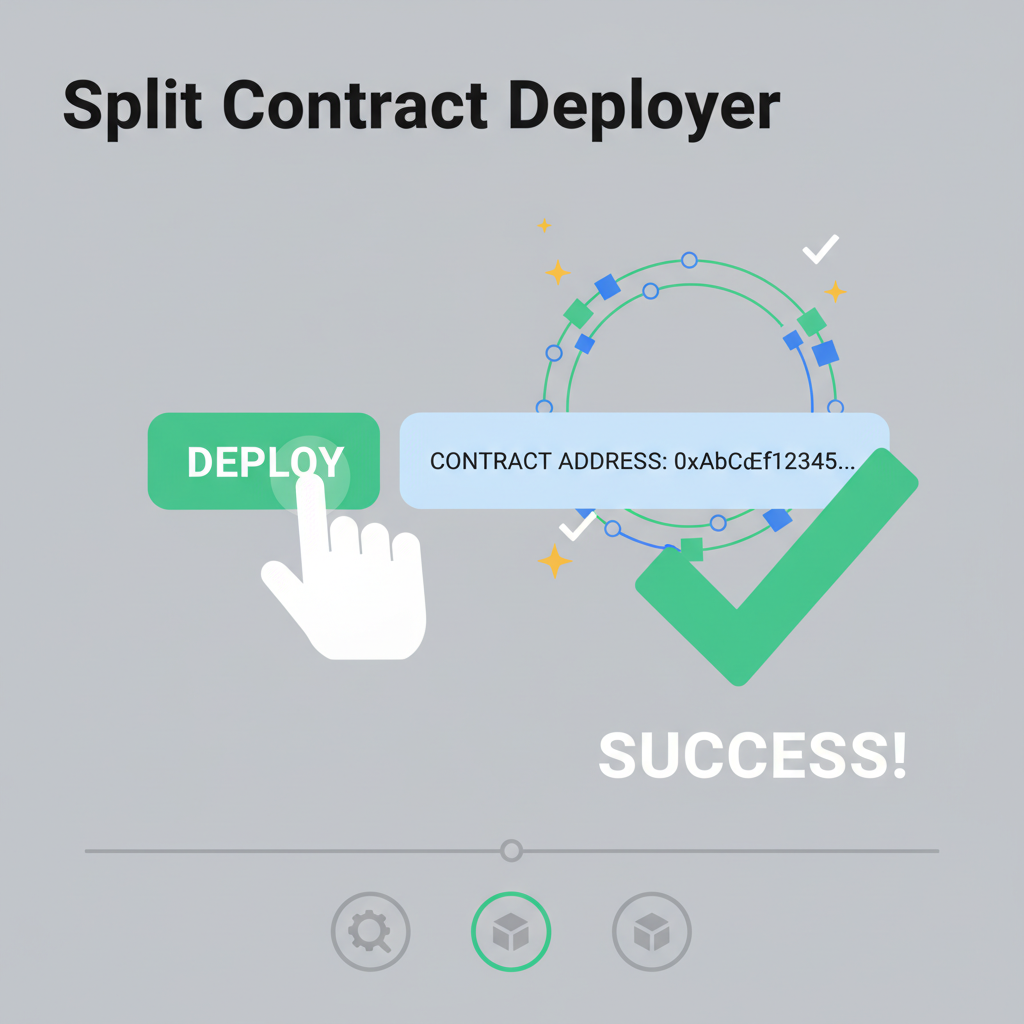
Strategically scale NFT royalty payouts to thousands of creators using thirdweb’s Split contract. Deploy a single on-chain splitter that automatically distributes revenue to multiple wallets based on predefined percentages—no complex off-chain logic required.
import { ThirdwebSDK } from "@thirdweb-dev/sdk";

const sdk = new ThirdwebSDK("sepolia", {
  secretKey: process.env.THIRDWEB_SECRET_KEY,
});

(async () => {
  const splitAddress = await sdk.deployer.deploySplit({
    name: "NFT Royalty Split",
    recipients: [
      {
        address: "0x742d35Cc6634C0532925a3b8D7c7a9F0981aDbe8",
        splitPercentage: 40,
      },
      {
        address: "0x8bC6dF8aA3eD1b4fB2cE5d6F7a8901b2C3d4E5f6",
        splitPercentage: 30,
      },
      {
        address: "0x9cD7eF9bB4fC2a5E3d6F8a901b2C3d4E5f6789aB",
        splitPercentage: 30,
      },
      // Add thousands more recipients here
    ],
  });
  console.log(`Split deployed to: ${splitAddress}`);
})();
This deployment creates an immutable, gas-efficient splitter. Integrate the `splitAddress` into your NFT contract’s royalty settings (e.g., via ERC-2981 or marketplace configs) to enable seamless, trustless payouts on every secondary sale. Scale effortlessly by adding more recipients.
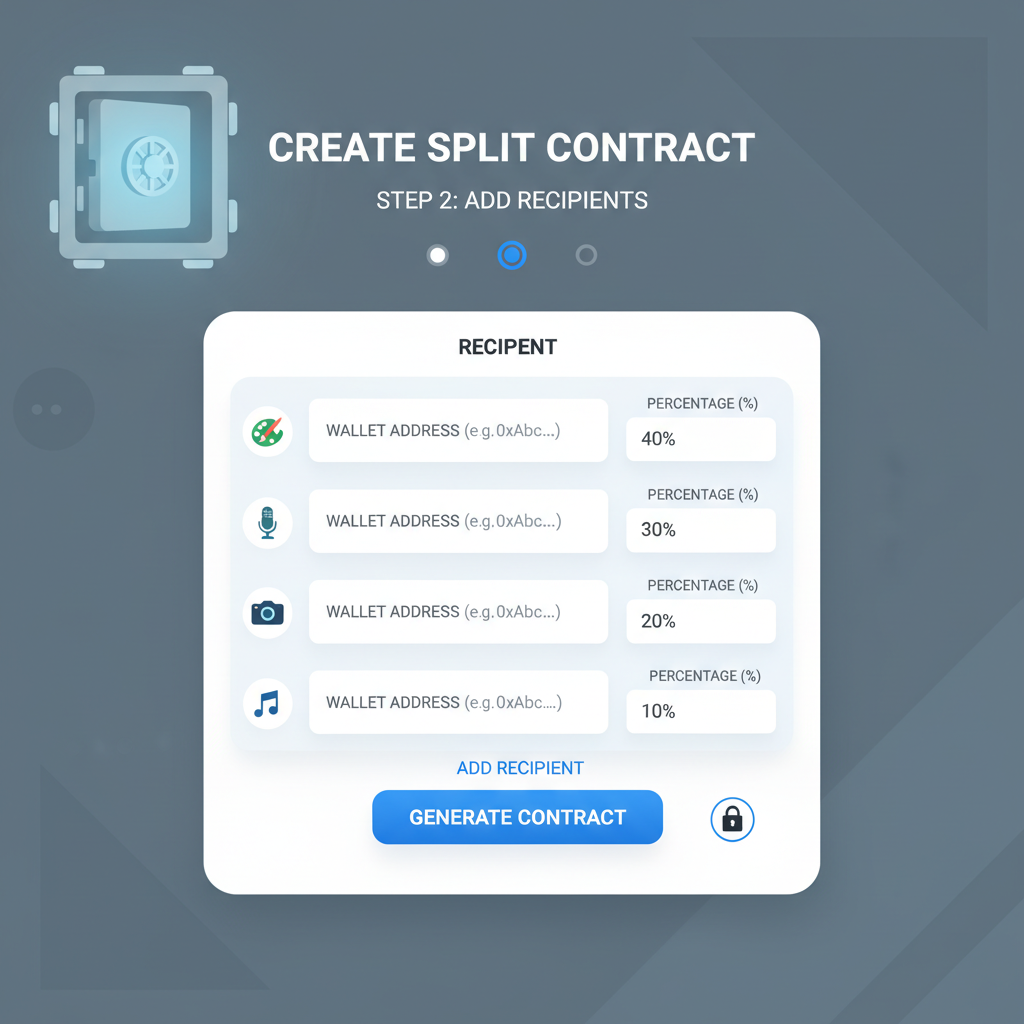
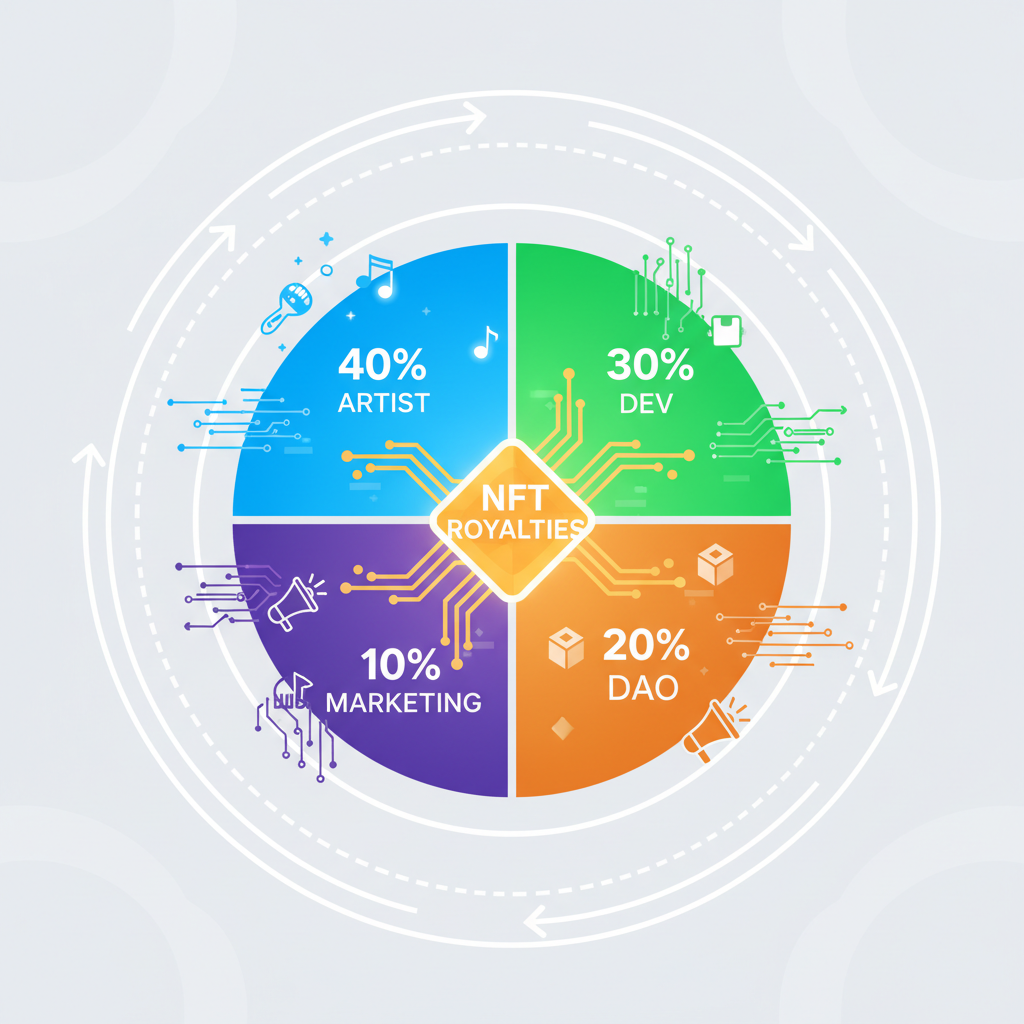
Watch that thirdweb breakdown; it’s the blueprint for routing primary drop proceeds and secondary royalties into one address. Deploy once, forget forever. Creators input wallets – artist 40%, dev 30%, DAO 20%, marketing 10% – and the contract hums, batching claims for gas efficiency. This powers NFT royalty payouts scale to thousands, as seen in collaborative drops where contributions vary wildly.
Custom logic elevates this. Beyond no-code tools like 0xSplits, audited waterfalls ensure sequential payouts: creators first, then overflow to treasuries. Merkle claims shine for mass redemptions; prove inclusion in a tree, claim your slice without clogging the chain. Superfluid streaming? Drip royalties continuously, ideal for artists with evergreen collections. Quaxel’s patterns prevent the leaks that plague sloppy setups – no more funds frozen in unauthorized pools.
Taming Complexity in Multi-Creator Ecosystems
Multi-creator projects expose the cracks in basic royalties. Iota Finance spotlights the trigger frenzy: one resale splits across original artist, collaborators, even platform fees. On-chain contracts resolve this with dynamic allocators – percentages adjust via governance votes in DAOs, or fixed via immutable code. HyperMint’s splitters, per MoonPay, standalone or embeddable, route proceeds from entire collections seamlessly.
Artiffine’s model routes all revenues directly, enforcing predefined splits without marketplace whims. Tatum’s percentage royalties embed creator cuts indefinitely, a godsend for long-tail value. Hedera’s enforcement sidesteps the cat-and-mouse by calculating on-chain, marketplace-agnostic. Challenges persist: gas on Ethereum bites during peaks, but Polygon or batching neutralizes it. My take? Hedge like options spreads – layer L2s for cheap entries, mainnet for finality.
For DAOs, this is revolutionary. Log contributions on-chain – code commits, marketing spends, community builds – then algorithmically assign shares. Scale to 10,000 creators? Merkle trees compress proofs, enabling air-drop style claims in one tx. Makingascene. org’s Audius-NFT hybrid proves the monetization flywheel: exposure breeds sales, splits automate the rest. No more Excel horrors or delayed Venmos.
Creator Economy 2.0: Splits as the Volatility Shield
In my 14 years pricing derivatives, I’ve seen markets punish the unprepared. NFT royalties mirror commodity swings – floor prices plummet, but splits collar the downside, guaranteeing flows. Platforms like SplitPayOnChain. com optimize this for marketplaces, automating mass payouts Web3 creators at warp speed. Deploy across chains, audit-ready, with dashboards tracking every ETH slice.
Ahmad W Khan’s no-code path suits bootstrappers; custom Solidity for power users tweaking incentives, a16z-style. Reddit’s ethdev threads buzz with Tatum integrations, minting NFTs that self-enforce splits. As volumes climb, expect waterfalls for tiered teams – juniors claim first, seniors backstop. Streaming royalties? Real-time income for creators grinding daily.
Strategic edge: volatility-proof your project. Assign 5% secondary royalties standard, but embed escalators – 7.5% post-1k holders. DAOs vote splits quarterly, adapting to bear or bull. This isn’t just payout tech; it’s the infrastructure locking creators into ecosystems, fueling retention amid hype cycles. High-volume operators, integrate now – your next viral drop demands it.
SplitPayOnChain. com turns this vision real, scaling splits without the sweat. From solo artists to 10k-strong collectives, on-chain precision redefines fair play in Web3’s wild arena.
About the Author