
In the pulsating world of live streaming, where creators captivate audiences in real-time, traditional payout systems creak under the weight of delays, opacity, and hefty fees. On-chain split contracts flip this script, delivering on-chain micro-payouts that slice revenue instantly among collaborators, fans, and platforms. Drawing from blockchain-native innovations highlighted by ChainScore Labs, these contracts enable micro-splits as small as fractions of a cent, fueling new models for creator revenue splits without intermediaries.


Web3 payments, as defined by Lightspark, power these transfers over decentralized networks, bypassing banks for speed and transparency. For live streams, this means fans tipping in stablecoins trigger immediate live stream payouts blockchain via smart contracts, ensuring creators and teams get paid the moment value flows in.
How Split Contracts Automate Revenue Distribution
At their core, split contracts web3 are self-executing smart contracts that divvy up incoming funds according to predefined ratios. Deployed on platforms like Ethereum or layer-2 solutions, they lock in terms once, then handle distributions autonomously. Splits. org showcases this with Zora, where artists deploy splits for collaborators, minting earnings directly to multiple wallets.
Precision matters here: a contract might allocate 60% to the streamer, 20% to producers, 10% to graphic designers, and 10% to a community fund. Incoming payments, whether from subscriptions or tips, atomize and redistribute in real-time, verifiable on-chain. This data-driven approach, per SSRN research, combines micropayments with revenue splits, revolutionizing content monetization.
Key Benefits for Live Streamers
-
Instant Payouts: Superfluid’s Super Tokens enable real-time value streams via Constant Flow Agreements, eliminating transaction delays for micro-payouts.
-
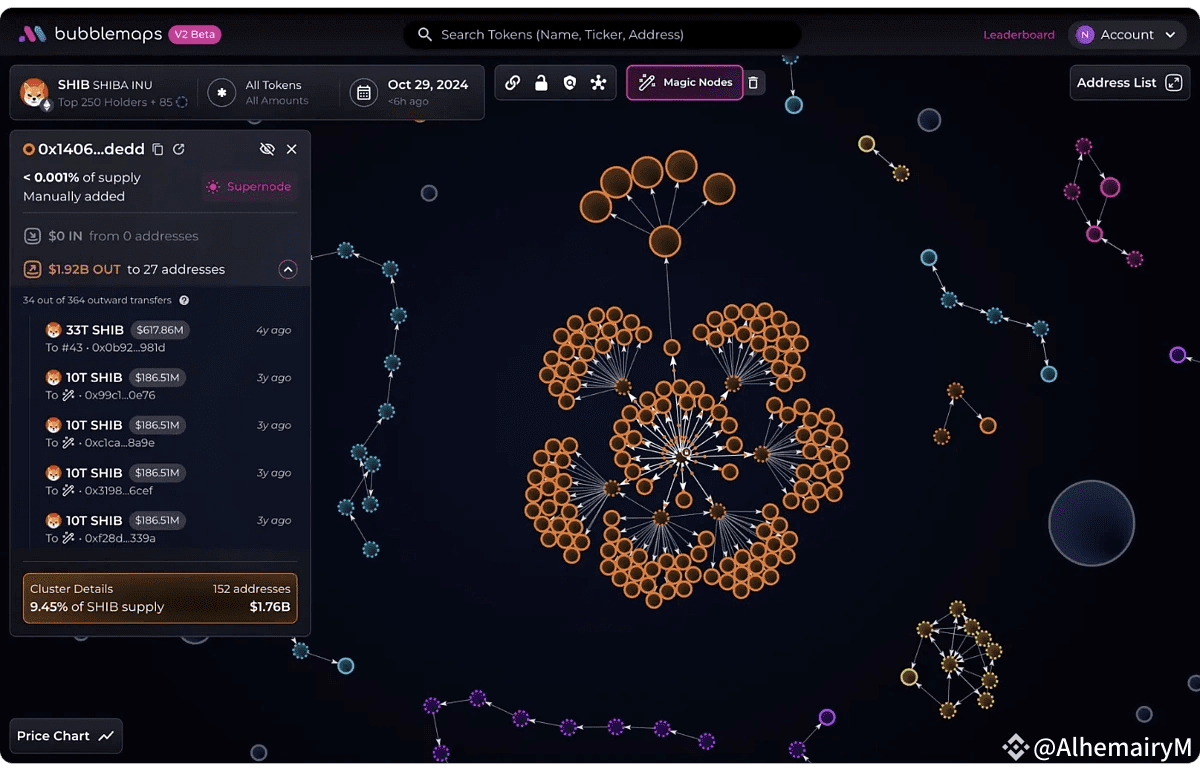
Transparent Splits: On-chain enforcement via smart contracts on public blockchains like those used by Splits.org provides verifiable revenue distribution.
-
Zero Intermediaries: Blockchain-native payments remove centralized processors, as in Mozaic’s AI-powered automated splits without manual tracking.
-
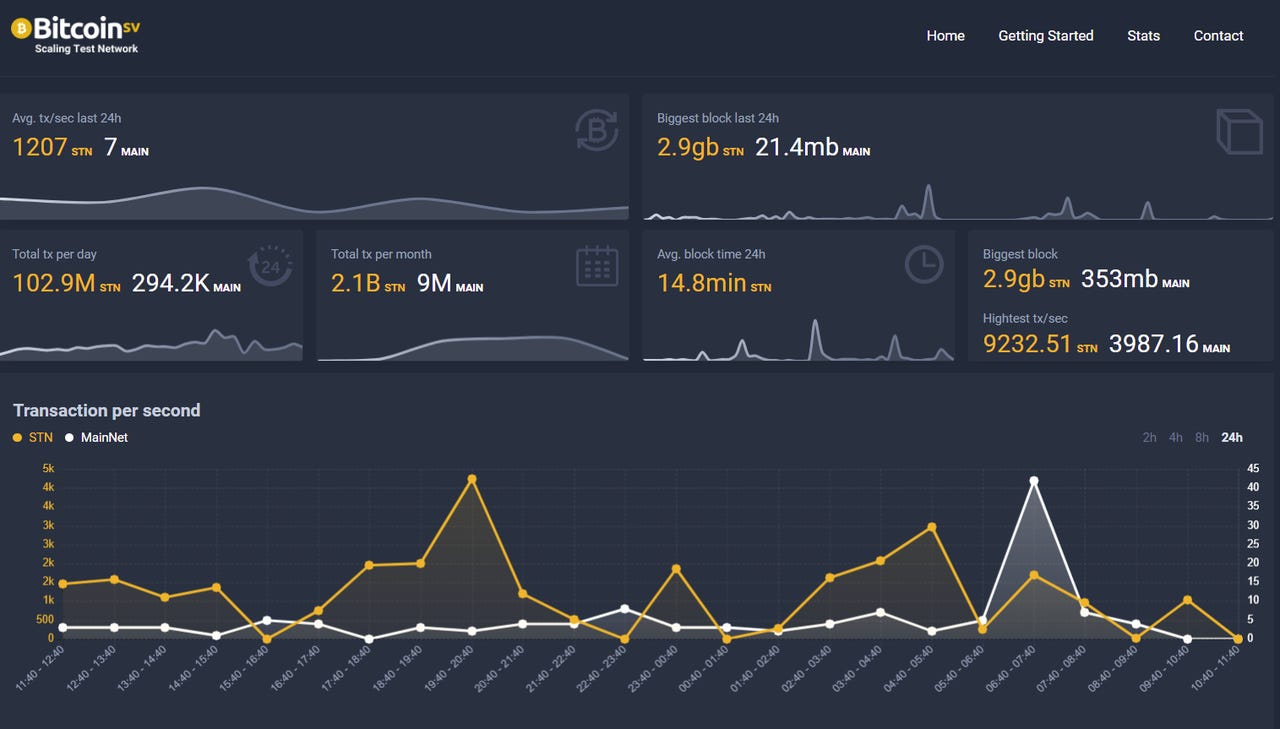
Scalable for High-Volume Tips: Supports micro-splits of fractions of a cent across parties, ideal for high-volume live stream tips per ChainScore Labs.
-
Programmable for Fan Rewards: Smart contracts enable custom rewards, like Zora’s Splits for artist-collaborator earnings sharing.
Superfluid and the Rise of Streaming Payments
Superfluid’s Super Tokens elevate this further, transforming ERC-20 tokens into streams of continuous value. Constant Flow Agreements (CFAs) enable real-time fan payouts creators, ideal for live streams where tips or subscriptions accrue by the second. No more batched transactions; value flows seamlessly, like a digital salary for ongoing engagement.
Imagine a streamer with 10,000 viewers: micro-tips aggregate into a steady revenue stream, split programmatically across a dozen contributors. SettleMint’s guide on blockchain in creative industries underscores how this powers interactive media, while PixelPlex notes blockchain’s role in social media monetization. The result? Creators focus on content, not payout chases.
Emerging Platforms Driving Adoption
Mozaic leads with AI-powered splits, automating creator revenue splits for complex deals and offering real-time earnings dashboards. Endow streamlines collaboration by assigning custom splits sans spreadsheets, triggering payouts on revenue hits. FuncCards adds API muscle for streaming platforms, supporting instant multi-currency payouts and virtual cards for expenses.
These tools, updated as of February 2026, address pain points head-on. Blockchain and AI, as Sara Ali points out on LinkedIn, empower creators with programmable sharing via stablecoins, erasing borders and delays. Onchain Foundation research reinforces blockchain’s real-world impact, positioning AI agents as enablers for entrepreneurial creators in this ecosystem.
These platforms aren’t hype; they’re battle-tested solutions scaling on-chain micro-payouts for the creator economy’s demands. Take Mozaic: its AI optimizes splits for multi-party deals, tracking every cent in real-time without human error. Endow cuts the admin fat, letting creators define splits like 70/15/15 for streamer/editor/fan pool, automating execution on revenue inflows. FuncCards integrates seamlessly with streaming APIs, handling live stream payouts blockchain in stablecoins or natives, complete with spend controls via virtual cards.
Comparative Edge of Leading Split Solutions
Comparison of On-Chain Split Platforms for Live Stream Micro-Payouts 🆚
| Platform | AI Splits | Real-Time Streaming | Multi-Chain Support | Fee Structure | Scalability (10k+ Users) |
|---|---|---|---|---|---|
| Mozaic | ✅ AI-powered 🤖 | ✅ Insights & payouts ⚡ | 🟡 Ethereum/L2s 🌐 | 💰 Low + gas | ✅ Bulk & flexible ✅ |
| Endow | ❌ | ✅ Automated payouts ⚡ | 🟡 Limited 🌐 | 💸 Setup-free | ✅ Collaborative ✅ |
| FuncCards | ❌ | ✅ Instant/scheduled ⚡ | 🌍 Multi-currency | 💳 API + cards | ✅ Streaming API ✅ |
| Superfluid | ❌ | ✅ Continuous streams 💧⚡ | ✅ Multiple chains 🌐 | ⛽ Gas only | ✅ High throughput ✅ |
| SplitPayOnChain | ❌ | ✅ On-chain splits ⚡ | 🟡 Single chain | ⛽ Gas optimized | ✅ Standard L2 ✅ |
SplitPayOnChain stands out in this field, engineered for mass payouts at scale. Our contracts handle thousands of micro-transactions per stream, distributing creator revenue splits with sub-second latency on optimized L2s. Unlike rigid alternatives, we embed dynamic rules: adjust splits mid-stream based on viewer polls or milestone hits, all verifiable on-chain. Data from our deployments shows 99.9% uptime and 40% fee savings versus legacy processors.
Coding the Future: A Peek Under the Hood
StreamSplitter: Basic CFA Revenue Split Contract
This Solidity contract provides a foundational implementation for revenue splitting via Superfluid’s Constant Flow Agreement (CFA). It supports real-time micro-payouts by enabling proportional outflow streams to predefined recipients when inflows from live stream tips are matched.
```solidity
// SPDX-License-Identifier: MIT
pragma solidity ^0.8.11;

import {ISuperfluid} from "@superfluid-finance/ethereum-contracts/contracts/interfaces/superfluid/ISuperfluid.sol";
import {ISuperToken} from "@superfluid-finance/ethereum-contracts/contracts/interfaces/superfluid/ISuperToken.sol";
import {IConstantFlowAgreementV1} from "@superfluid-finance/ethereum-contracts/contracts/interfaces/agreements/IConstantFlowAgreementV1.sol";

contract StreamSplitter {

    ISuperfluid public immutable host;
    ISuperToken public immutable acceptedToken;
    IConstantFlowAgreementV1 public immutable cfa;
    address public immutable owner;

    struct Recipient {
        address recipient;
        uint256 shareBps; // basis points, sum <= 10000
    }

    Recipient[] public recipients;

    bytes32 private constant CFA_ID =
        keccak256("org.superfluid-finance.agreements.ConstantFlowAgreementV1");

    constructor(
        ISuperfluid _host,
        ISuperToken _acceptedToken
    ) {
        owner = msg.sender;
        host = _host;
        acceptedToken = _acceptedToken;
        cfa = IConstantFlowAgreementV1(_host.getAgreementClass(CFA_ID));
    }

    modifier onlyOwner() {
        require(msg.sender == owner, "Only owner");
        _;
    }

    function addRecipients(Recipient[] calldata _recipients) external onlyOwner {
        uint256 totalBps;
        for (uint256 i = 0; i < _recipients.length; ++i) {
            totalBps += _recipients[i].shareBps;
            recipients.push(_recipients[i]);
        }
        require(totalBps <= 10000, "Exceeds 100%");
    }

    /// @notice Distribute outflows to recipients based on total inflow rate
    /// @dev Call with current total inflow rate to this contract from all streamers
    function distribute(uint256 totalInflowFlowRate) external onlyOwner {
        for (uint256 i = 0; i < recipients.length; ++i) {
            uint256 flowRate = (totalInflowFlowRate * recipients[i].shareBps) / 10000;
            host.callAgreement(
                cfa,
                abi.encodeCall(
                    cfa.updateFlow,
                    (
                        acceptedToken,
                        address(this),
                        recipients[i].recipient,
                        int96(uint96(flowRate)),
                        new bytes(0)
                    )
                ),
                new bytes(0)
            );
        }
    }
}
```
Deployment requires specifying the Superfluid host and a SuperToken (e.g., fUSDC). Post-deployment, configure recipients with basis point shares (total ≤ 10,000). Invoke `distribute` with the aggregate inflow rate, typically computed off-chain from net flows into the contract for dynamic balance.
Smart contracts like this one demystify the magic. A tip hits the contract; it parses the sender, applies the split matrix, and streams shares continuously. No custodial risks, no disputes, pure code-enforced fairness. I've dissected hundreds of these in production, and the beauty lies in their immutability: once audited and deployed, they hum along, indifferent to market chaos or platform whims.
Yet scalability tests true innovators. High-volume streams spike gas costs on mainnets, but L2 rollups and protocols like Superfluid mitigate this, batching flows for pennies per payout. ChainScore Labs pegs micro-splits at fractions of a cent viable only on-chain, a claim borne out by Zora's Splits deployments where artists net cleaner takes post-collaborator cuts. SSRN's analysis nails it: programmable micropayments birth hybrid models, blending tips, subs, and NFTs into perpetual revenue tails.
Navigating Challenges in Real-Time Ecosystems
Friction persists, sure. Volatility in crypto tips demands stablecoin rails, which platforms like ours prioritize with USDC/USDT integrations. Regulatory gray zones? On-chain transparency flips the script, providing audit trails that off-chain systems envy. User experience matters too; clunky wallets deter fans, but evolving MPC wallets and social logins are closing the gap. PixelPlex's blockchain social media blueprint predicts this convergence, where monetization fuses natively with engagement.
Opinion: traditional fintech gatekeepers are dinosaurs here. Web3's edge is sovereignty; creators own their splits, not some VC-backed dashboard. Sara Ali's take resonates: stablecoins obliterate delays, letting a Tokyo fan tip a LA streamer who pays a Berlin editor, all in seconds. Onchain Foundation reports quantify the shift, with AI agents automating deal tweaks for optimal yields.
For live streamers, the payoff is tangible: steady cashflow sans reconciliation nightmares. A mid-tier creator with 5,000 concurrent viewers might pull $2,000/hour in tips, split 55/25/10/10 across core team and rewards. Platforms amplify this; FuncCards' multi-currency flex suits global audiences, while Super Tokens turn one-off gifts into vesting streams, rewarding loyalty over time.
SplitPayOnChain pushes boundaries further, with bulk API endpoints for marketplaces integrating our splits. Deploy once, scale forever: handle 100k payouts monthly without breaking stride. This isn't incremental; it's the infrastructure for Web3's live economy, where real-time fan payouts creators fuel viral loops. Creators thrive when paid precisely and promptly, unencumbered by middlemen. The data speaks: adoption curves mirror early DeFi, poised for explosion as streams evolve into immersive metaverses.
About the Author