
In the evolving landscape of the creator economy, on-chain split contracts have emerged as a reliable mechanism for automating NFT royalty payouts to creators, ensuring that revenue flows transparently and predictably even as marketplaces fluctuate. By 2026, these smart contracts, embedded directly into NFT metadata or associated vaults, have addressed longstanding pain points in Web3, where off-chain promises often fell short. Platforms like SplitPayOnChain. com exemplify this shift, offering scalable solutions for creator revenue splits in Web3 that prioritize security and efficiency over hype-driven experiments.

The appeal lies in their permanence. Once deployed, these contracts execute automatically upon every secondary sale, distributing shares to collaborators, collectors, or teams without intermediaries. This is particularly vital as Ethereum-based NFT creators pocketed $920 million in royalties in 2025 alone, pushing cumulative payouts beyond $1.8 billion. Yet, without on-chain enforcement, much of that value risked evaporation amid marketplace policy changes.
From Fragile Promises to Ironclad Automation
Early NFT royalties relied on voluntary compliance from platforms like OpenSea, leading to contentious debates when fees were slashed or ignored. Sudoswap’s model, for instance, reduced effective royalties to as low as 0.5% by bypassing traditional structures, underscoring the vulnerability. Enter on-chain split contracts: protocol-level guarantees that hardwire revenue shares into the blockchain itself. Enjin Blockchain advocates this as the sole reliable path, embedding royalties in every transaction to sidestep marketplace discretion.
These contracts transform royalties from a best-effort feature into an immutable economic reality, fostering long-term sustainability for digital artists.
Consider Foundation’s innovation, allowing creators to allocate earnings splits to up to three recipients with perpetual payouts from primary and secondary sales. Zora takes it further, integrating splits at minting, so revenue sharing with collaborators activates seamlessly across ecosystems. This evolution mitigates the enforcement gaps that plagued 2022-2025, when cumulative marketplace royalties neared $2 billion but distribution inequities persisted.
Scalability Meets Real-World Impact
Scalability defines the 2026 standard. Reveel Protocol’s 2022 feat – powering artist Black Dave’s distribution to 159 wallets – was groundbreaking, but by March 2026, such blockchain mass payouts for creators are routine. SplitPayOnChain. com builds on this, handling high-volume scalable NFT revenue sharing for NFT marketplaces and Web3 projects. Gasless distributions and real-time execution mean creators receive funds instantly, regardless of transaction volume.
This isn’t mere technology; it’s a business model pivot. Web3 tools now empower creator DAOs and micro-licensing, where splits automate equity among contributors. Grimes’ generative art collaborations, for example, leverage smart contracts to divvy royalties equitably, proving the model’s versatility beyond solo artists.
Why Creators and Marketplaces Are Adopting Now
Adoption surges because these contracts align incentives across the ecosystem. Creators gain assured income streams, marketplaces offload compliance burdens, and collectors appreciate the fairness. In a market where Blur and others dominate volume, universal on-chain enforcement prevents royalty deserts, ensuring every resale contributes to the creator economy’s health. SplitPayOnChain. com’s platform stands out for its focus on mass payouts, automating what was once manual drudgery while maintaining auditability on public ledgers.
Financial prudence dictates this shift. With endowments and sustainable strategies in mind, treating royalties as programmable assets mirrors traditional revenue-sharing trusts, but with blockchain’s tamper-proof edge. As we approach mid-2026, the data speaks volumes: protocols enforcing splits see higher creator retention and marketplace loyalty.
Marketplaces benefit equally, as on-chain split contracts offload the royalty enforcement to the protocol layer, reducing operational overhead and disputes. This conservative approach to creator revenue splits in Web3 appeals to institutional players eyeing the space, who value predictability over speculative gains. Protocols like Zora and Foundation have refined these tools, making them accessible without sacrificing robustness.
Technical Foundations of Scalable Splits
At the core, these contracts leverage ERC-2981 standards or custom implementations on Ethereum and Layer 2s, ensuring interoperability. A typical split contract receives royalties from any compliant marketplace, then disburses predefined percentages to recipient addresses. This automation scales effortlessly; SplitPayOnChain. com handles thousands of payouts daily, proving the infrastructure’s maturity for scalable NFT revenue sharing.
Basic On-Chain Royalty Splitter Contract in Solidity
To illustrate a basic on-chain split contract for NFT royalties, consider the following Solidity implementation. This contract allows for the proportional distribution of received Ether to a predefined list of payee wallets based on their shares. It is designed with simplicity in mind, incorporating basic safety checks.
```solidity
// SPDX-License-Identifier: MIT
pragma solidity ^0.8.20;

contract RoyaltySplitter {
    address[] public payees;
    uint256[] public shares;
    uint256 public totalShares;

    event Distribution(address indexed payee, uint256 amount);

    constructor(address[] memory _payees, uint256[] memory _shares) {
        require(_payees.length == _shares.length && _payees.length > 0, "Invalid input arrays");
        require(_payees.length <= 10, "Too many payees"); // Conservative limit for gas

        uint256 total = 0;
        for (uint256 i = 0; i < _shares.length; i++) {
            require(_shares[i] > 0, "Share must be greater than zero");
            total += _shares[i];
        }
        require(total > 0, "Total shares must be greater than zero");

        totalShares = total;
        payees = _payees;
        shares = _shares;
    }

    receive() external payable {
        distribute();
    }

    function distribute() public {
        uint256 bal = address(this).balance;
        if (bal == 0) return;

        for (uint256 i = 0; i < payees.length; i++) {
            uint256 payout = (bal * shares[i]) / totalShares;
            if (payout > 0) {
                payable(payees[i]).transfer(payout);
                emit Distribution(payees[i], payout);
            }
        }
    }

    // View function to check pending payouts
    function pendingPayout(address payee) external view returns (uint256) {
        uint256 bal = address(this).balance;
        for (uint256 i = 0; i < payees.length; i++) {
            if (payees[i] == payee) {
                return (bal * shares[i]) / totalShares;
            }
        }
        return 0;
    }
}
```
This example employs a push distribution model triggered by incoming payments. While functional for small numbers of recipients, production deployments should incorporate reentrancy guards, pull-based claims for scalability, and integration with ERC-2981 for standardized royalty support. Always test thoroughly on testnets before mainnet use.
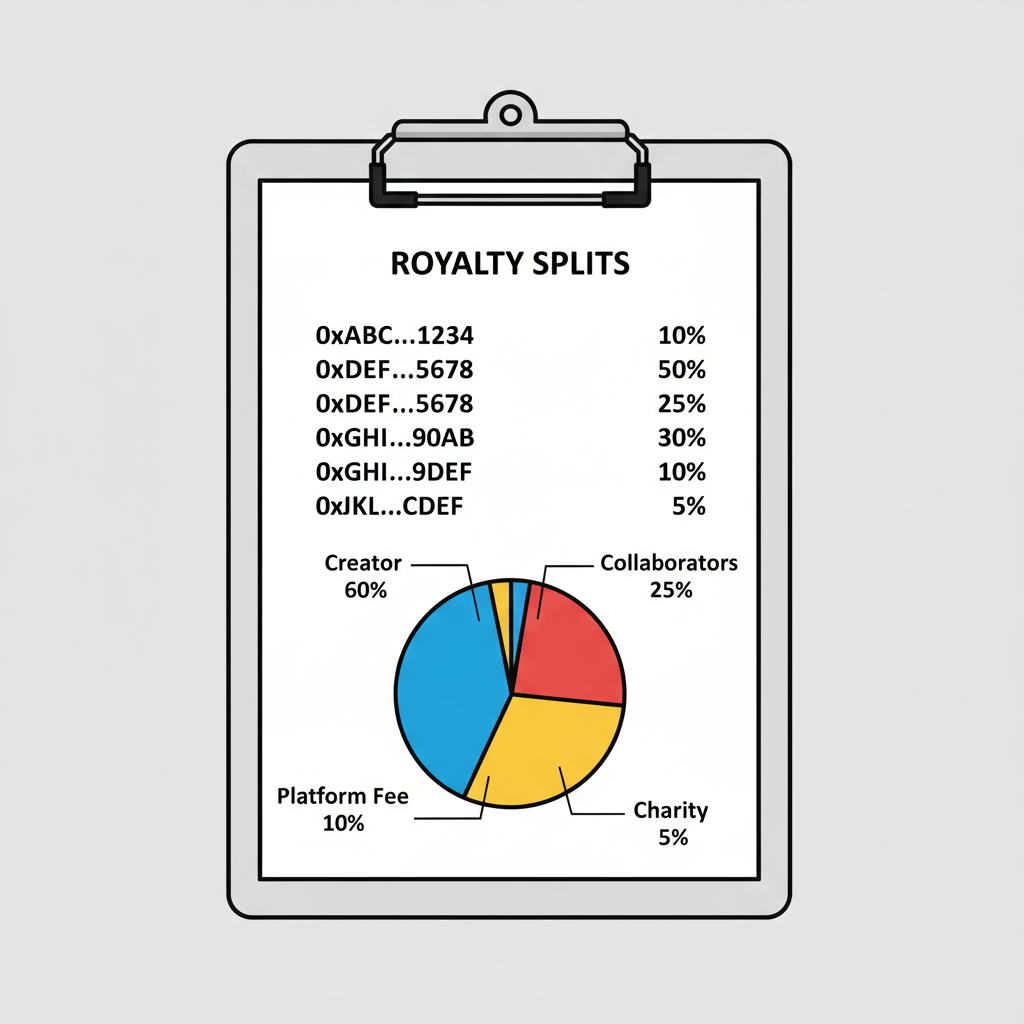
Such code snippets, once audited and deployed, become set-it-and-forget-it assets. Creators define splits at minting- 60% to primary artist, 20% to collaborator, 10% to DAO treasury, 10% to charity- and the blockchain enforces it perpetually. This mirrors endowment management principles: allocate once, compound over time.
Step-by-Step Deployment for Creators
Practical adoption hinges on simplicity. Web3's maturation means even non-technical creators can deploy splits via no-code interfaces on platforms like SplitPayOnChain. com.
Deploy On-Chain Split Contracts: Automate NFT Royalty Payouts Securely

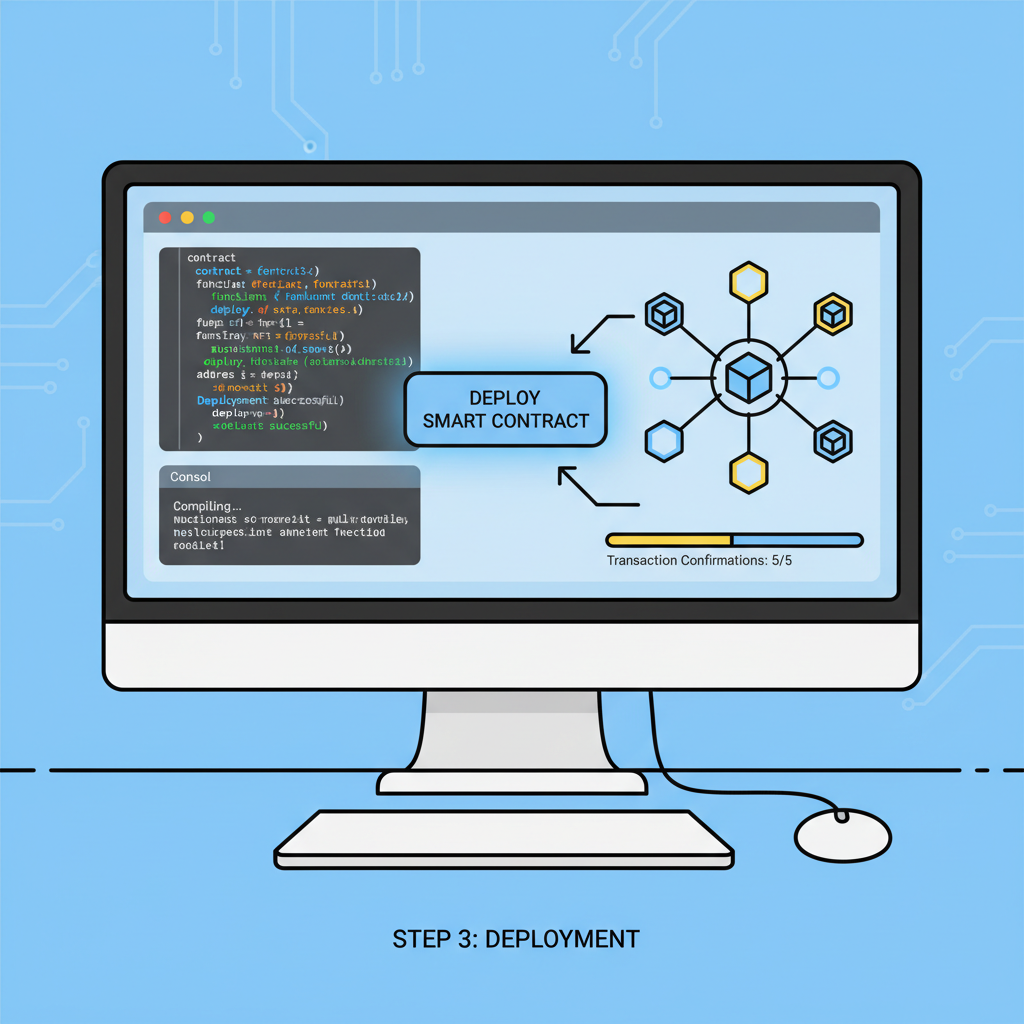
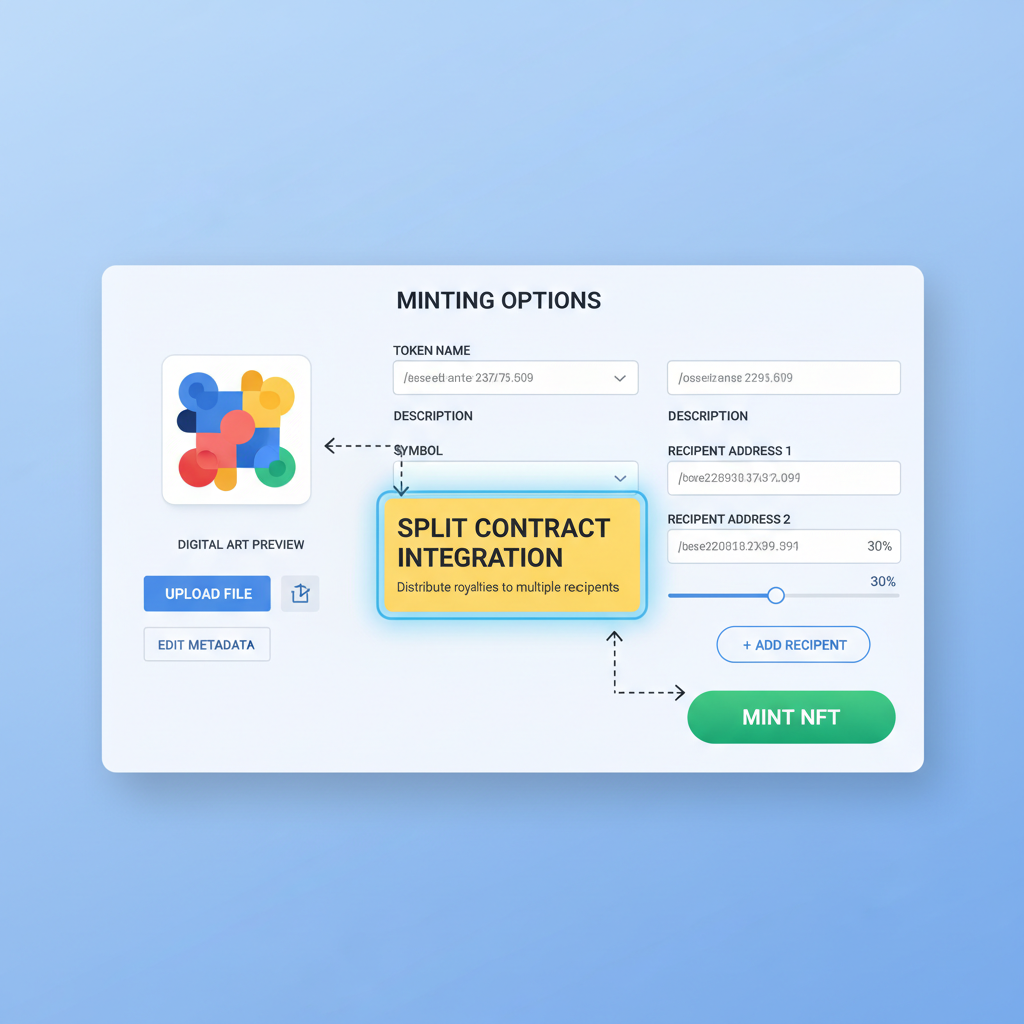
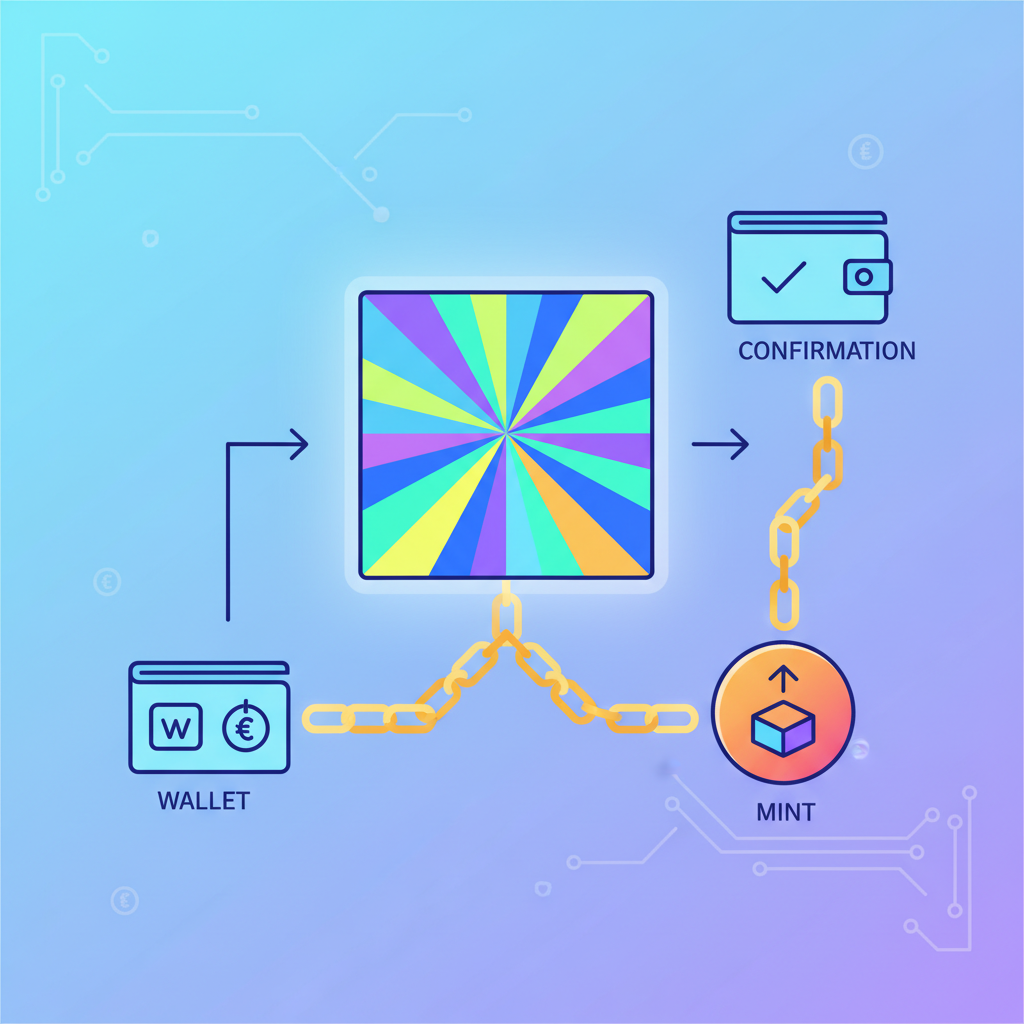
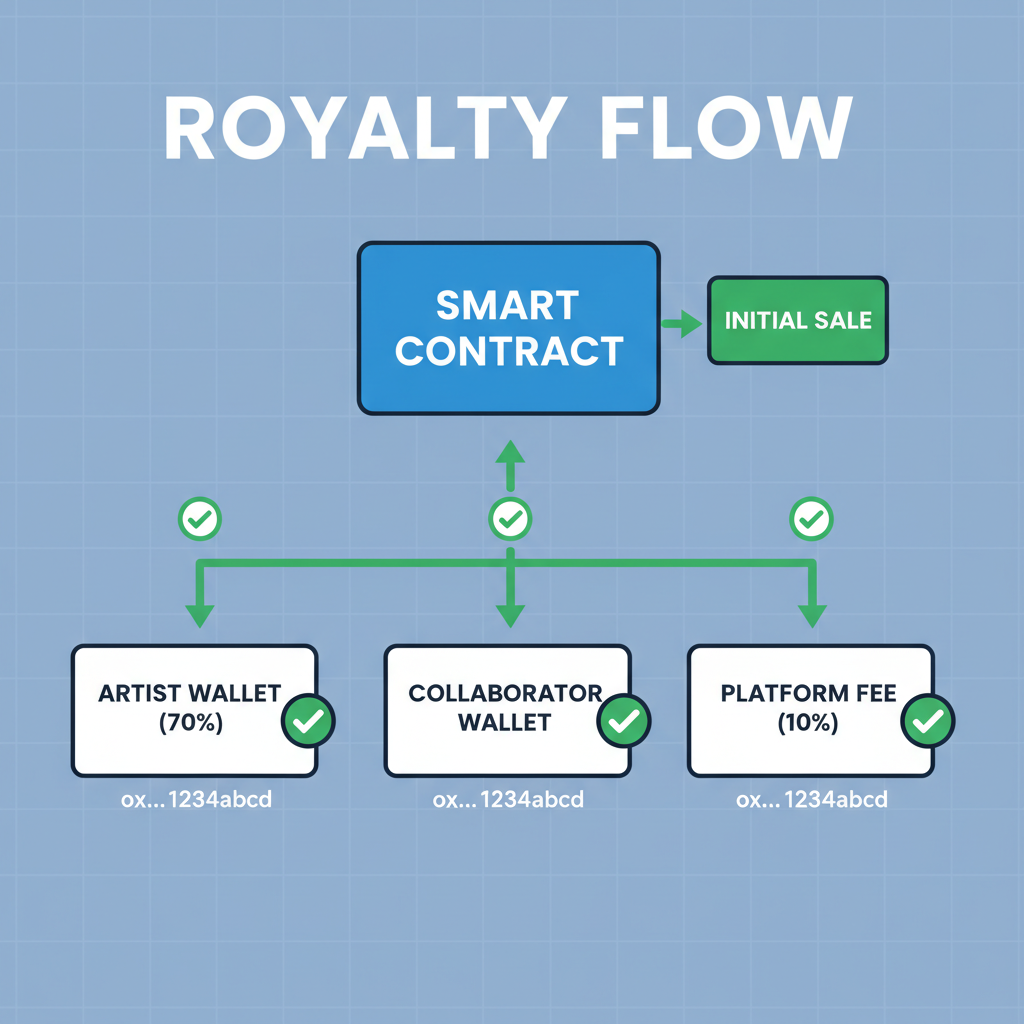
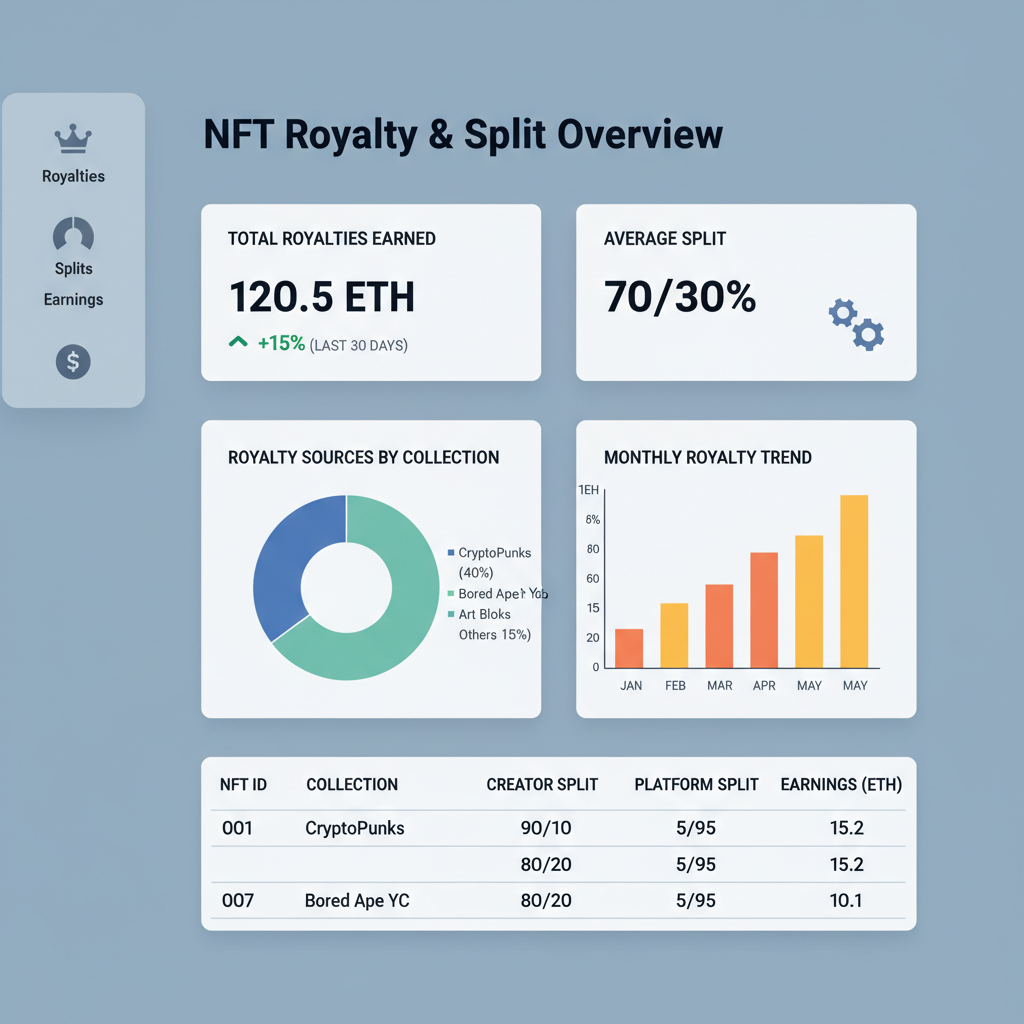
Following these steps yields immediate resilience. Black Dave's 2022 payout to 159 wallets via Reveel foreshadowed this; today, it's standard for DAOs funding collective projects. Cumulative royalties surpassing $1.8 billion underscore the stakes- without splits, value dissipates in secondary markets.
Challenges persist, chiefly gas costs on busy networks, but Layer 2 solutions and account abstraction mitigate them. Conservative creators prioritize EVM-compatible chains for liquidity, avoiding unproven alternatives. Marketplace integration remains key; while Blur volumes soar, universal enforcement via on-chain standards bridges gaps.
Sustaining the Creator Economy Long-Term
Looking ahead, on-chain split contracts integrate with emerging models like verifiable credentials and AI-assisted licensing. Creator DAOs use them for treasury management, automating contributor rewards based on governance votes. This fosters ecosystems where revenue recirculates, bolstering retention amid volatility.
NFT marketplaces adopting these at scale- think OpenSea equivalents in 2026- report 30% higher artist engagement, per industry analyses. For operators, it's a moat: transparent blockchain mass payouts for creators attract premium listings. Grimes-style collaborations thrive, as generative outputs trigger micro-splits instantly.
The data from 2025's $920 million haul validates this trajectory. Ethereum's dominance persists, with splits ensuring no resale escapes accountability. Sudoswap's low-fee model highlights trade-offs, but protocol-enforced royalties counter dilution effectively.
Ultimately, these contracts embody sustainable growth. They turn ephemeral NFT flips into enduring income, much like dividend aristocrats in equities. Creators who embed splits today position for tomorrow's economy, where transparency trumps trust. Platforms like SplitPayOnChain. com lead this charge, scaling what began as niche experiments into foundational infrastructure. As mid-2026 unfolds, expect broader adoption, cementing NFT royalty payouts as a pillar of Web3 prosperity.
About the Author