
Picture this: you’re a Web3 creator hustling on your next big NFT collection or viral digital drop. Revenue floods in from primary sales, royalties, and collabs, but divvying it up? That’s a nightmare of emails, spreadsheets, and trust issues. Centralized platforms like the old guard Web2 giants cap payouts at puny volumes, charge hefty fees, and leave you blind to the splits. Buckle up, because on-chain split contracts are flipping the script, automating creator mass payouts blockchain style with zero drama.

These smart contracts live right on the chain, executing web3 revenue splits the moment funds hit. No middlemen, no delays, just pure, immutable automation. Platforms like SplitPayOnChain and 0xSplits are leading the charge, handling ETH and ERC20 tokens across chains. They’re built for scale – think thousands of creators getting paid instantly from nft marketplace payouts. I’ve seen projects explode because they ditched the platform limits for this decentralized powerhouse.
Breaking Free from Platform Shackles
Web2 platforms promised the world but delivered bottlenecks. Twitter’s revenue share? A joke for most. NFT marketplaces? Royalty enforcement is spotty at best. Creators waste hours chasing payments or arguing over percentages. On-chain splits crush that noise. Deploy once, and it runs forever: primary sales, secondary royalties, even tips from DeSoc apps flow straight to predefined wallets. Transparent? Every transaction is public on the blockchain. Disputes? Nonexistent, because code is law.
Take NFT royalties – a hot mess until now. Traditional enforcers fade, but decentralized creator contracts embed the rules at mint time. Aspen nailed it with legal-grade smart contracts locking in that 5% creator cut. Pair it with SplitPayOnChain’s mass pay engine, and you’re scaling to hordes of artists without breaking a sweat.
The Tech That Powers Automated On-Chain Revenue Sharing
At the core, these contracts are if-then wizards. Funds enter a splitter contract, and boom – predefined ratios zap out to recipients. Flexible as hell: add/remove recipients, adjust splits mid-flight if everyone agrees via multisig. 0xSplits shines here, compatible with EVM chains, making automated on-chain revenue sharing plug-and-play. Coinshift layers on payroll and accounting, turning chaos into clean books for DAOs and teams.
Why does this matter? Speed. A marketplace sells 10,000 NFTs? Payouts hit wallets in blocks, not weeks. Security? Audited contracts from pros like OpenZeppelin mean hacks are history. And scalability? Gas-optimized for high-volume blasts, no front-running BS.
Key Benefits of On-Chain Splits
-

Ultimate Transparency: Immutable blockchain records make every payout publicly verifiable—no more black-box platforms!
-
Instant Payouts: Automate and trigger payments in seconds across ETH & ERC20 tokens, ditching slow delays.
-
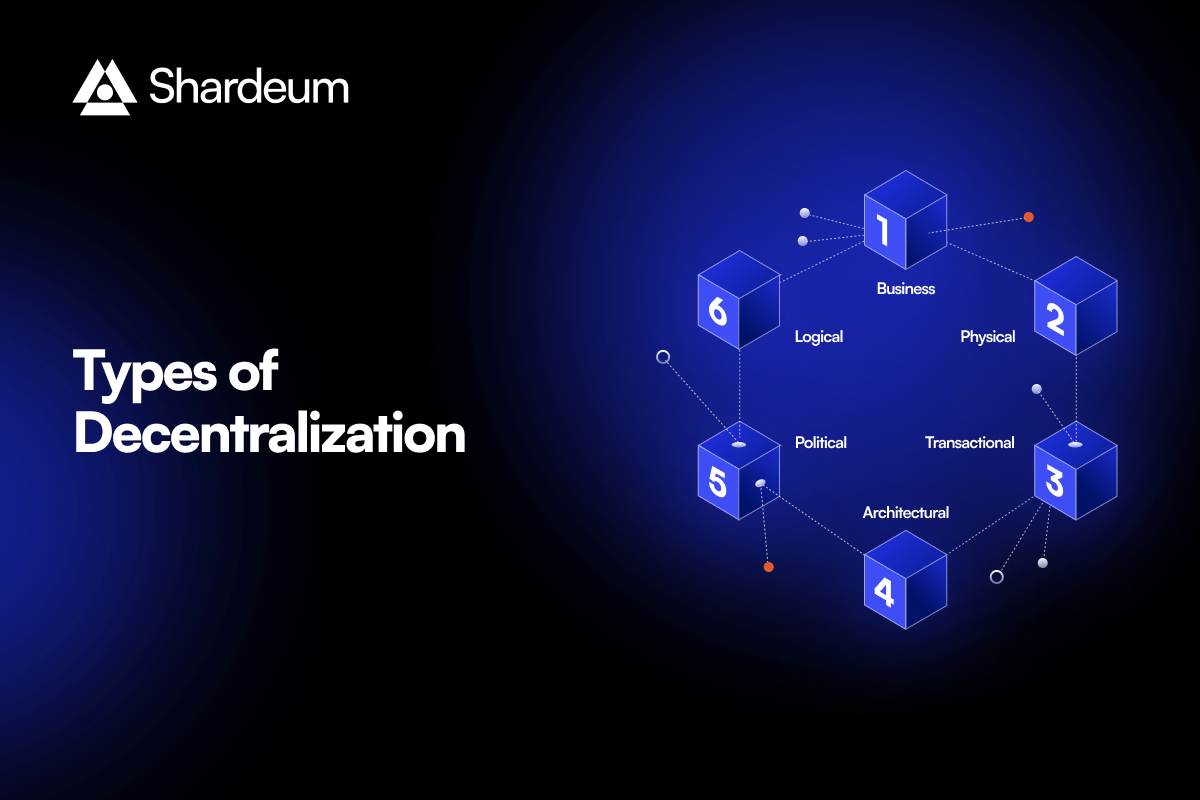
No Intermediaries: Direct on-chain distribution cuts out platforms like 0xSplits eliminates middlemen entirely.
-
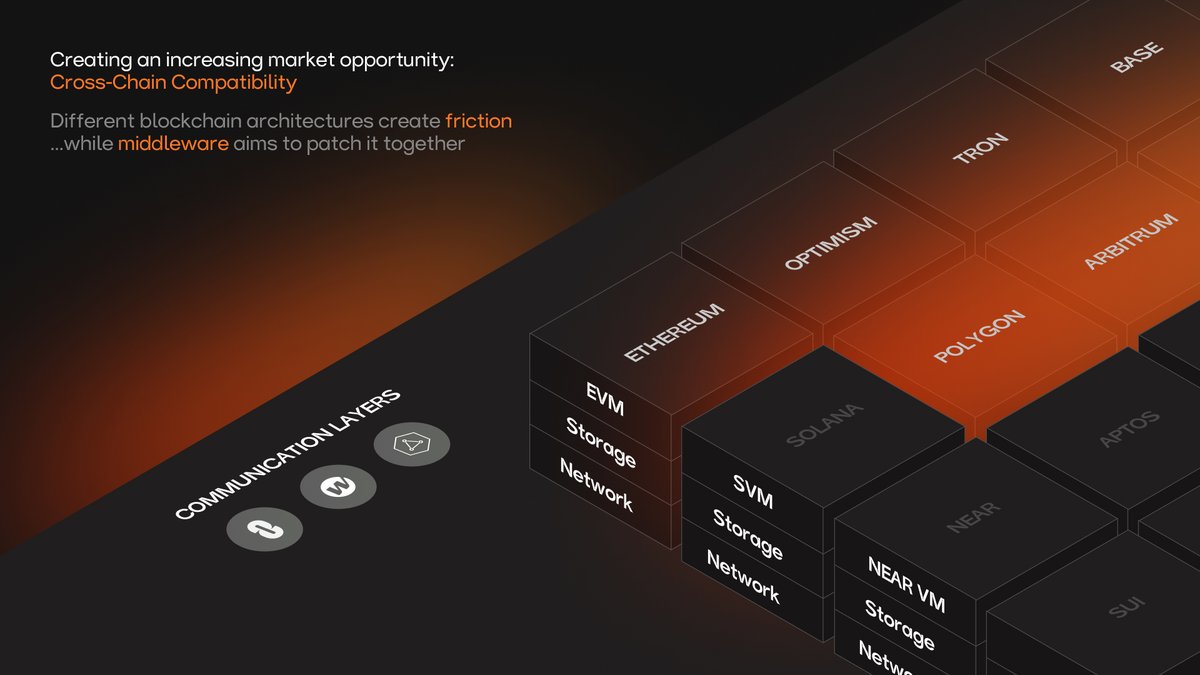
Multi-Chain Support: Seamless across Ethereum, Polygon & more with tools like 0xSplits for ultimate flexibility.
-
Easy Collaboration Splits: Flexible revenue shares for teams & creators, powered by Coinshift mass payouts.
Real Wins Crushing Web3 Creator Pain Points
Let’s talk results. SplitPayOnChain’s rollout for NFT marketplaces? Creators report 10x faster royalties versus off-chain hacks. One project paid out to 5,000 holders in under an hour – try that on Patreon. TOKN’s hybrid model tokenizes content for direct fan pays, but on-chain splits supercharge it for teams. Riseworks guides nail the mass payout flex, empowering DAOs to share from verifiable creds and micro-licensing.
I’ve traded through crypto winters; nothing beats momentum like tools that pay you to create. Web3 business models from MEXC – creator DAOs, NFTs – thrive when revenue flows free. Ditch the like-chasing grind; DeSoc plus splits means ownership and real earnings. Struck Crypto’s seed plays show investors betting big on this infrastructure. It’s not hype; it’s the bold edge turning creators into empires.
Collaborators from primary drops to ongoing royalties? Covered. Beyond Twitter shares or marketplace cuts? Absolutely. These contracts adapt, pulling from any on-chain source, scaling payouts that platforms can’t touch.
Imagine a DAO with 500 members splitting governance token airdrops or collab merch sales – on-chain splits handle it seamlessly, no manual transfers or fee leaks. That’s the creator mass payouts blockchain dream becoming reality, outpacing Web2’s clunky dashboards every time.
Deploying Your First On-Chain Split Contract
Ready to level up? Forget copy-paste templates that break; battle-tested platforms make it idiot-proof. 0xSplits lets you configure splits via a dashboard – input wallets, percentages, and boom, deploy in minutes. For custom needs, dive into Solidity, but why reinvent when audited protocols exist? These tools enforce decentralized creator contracts that evolve with your project, from duo collabs to marketplace-wide royalties.
Launch Your On-Chain Split Rocket: Deploy Splits with 0xSplits in Minutes!
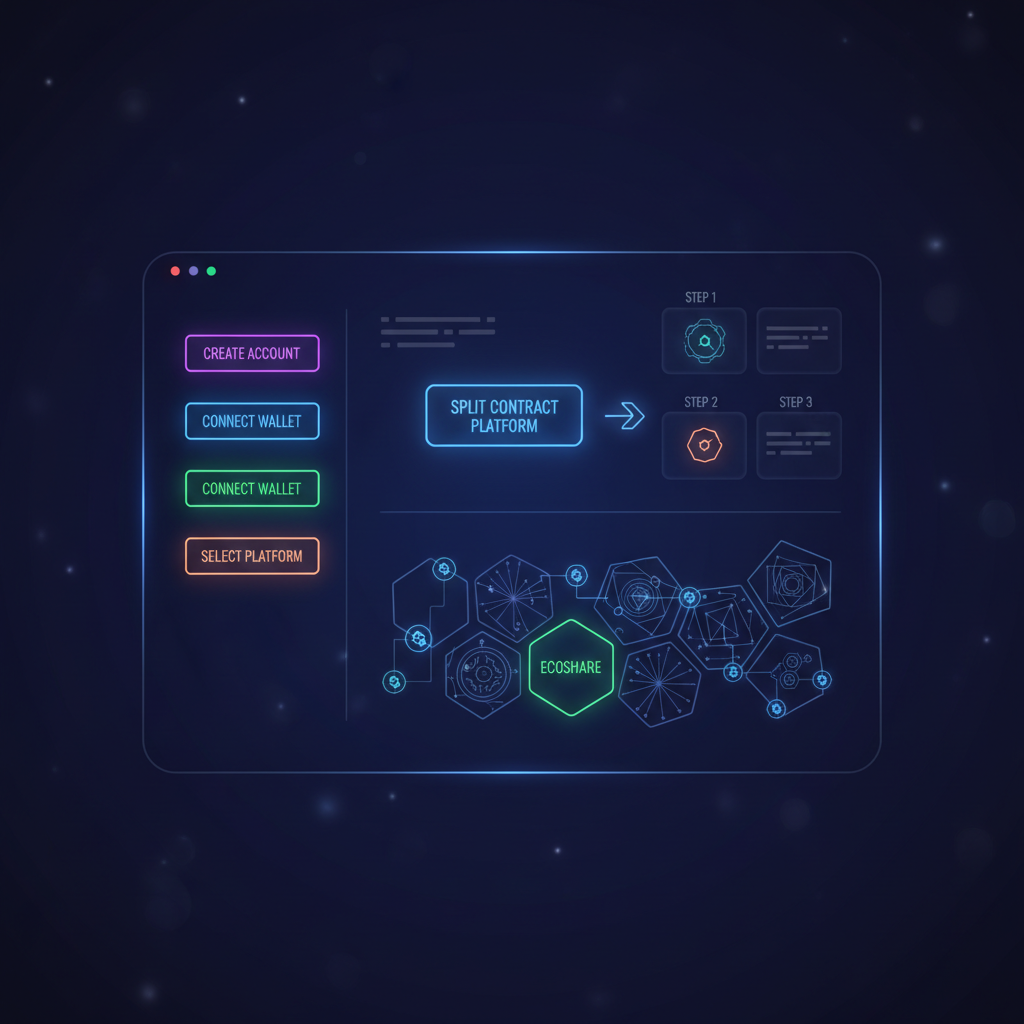
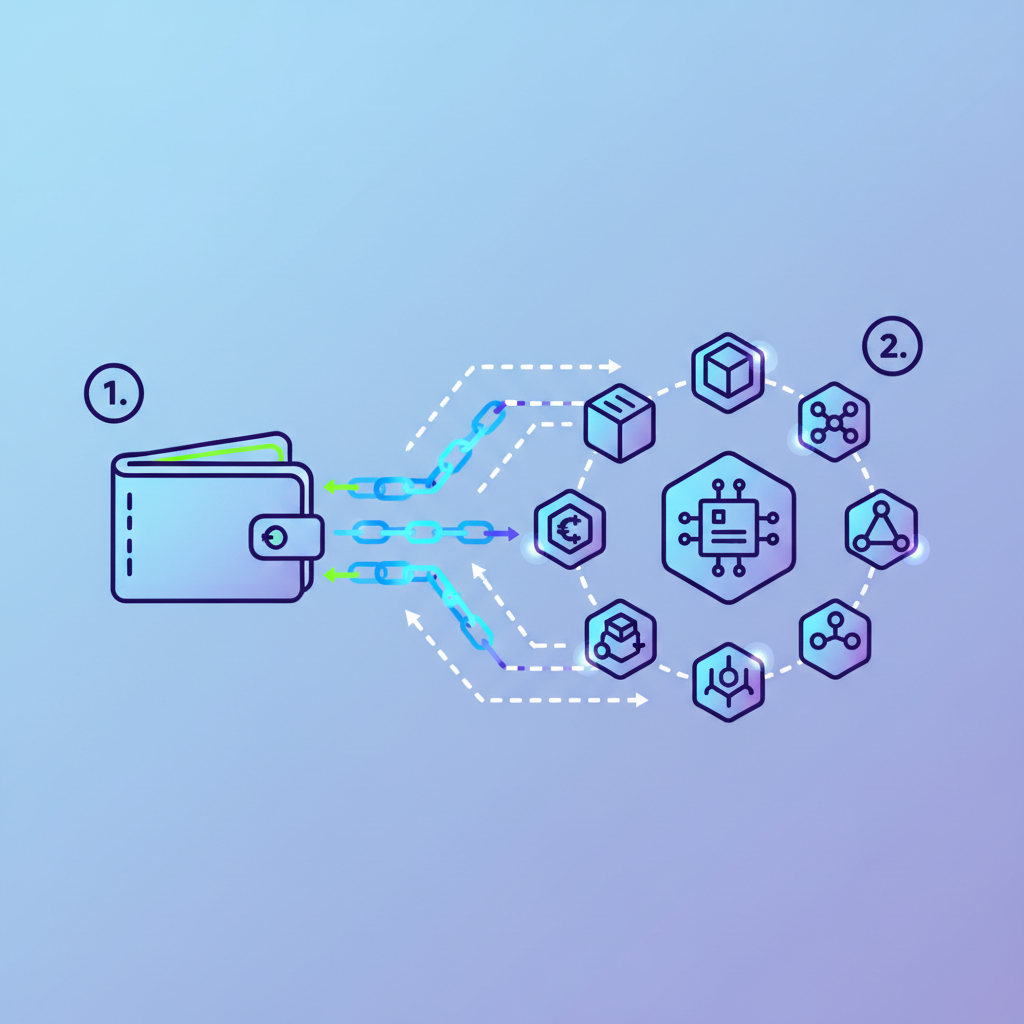
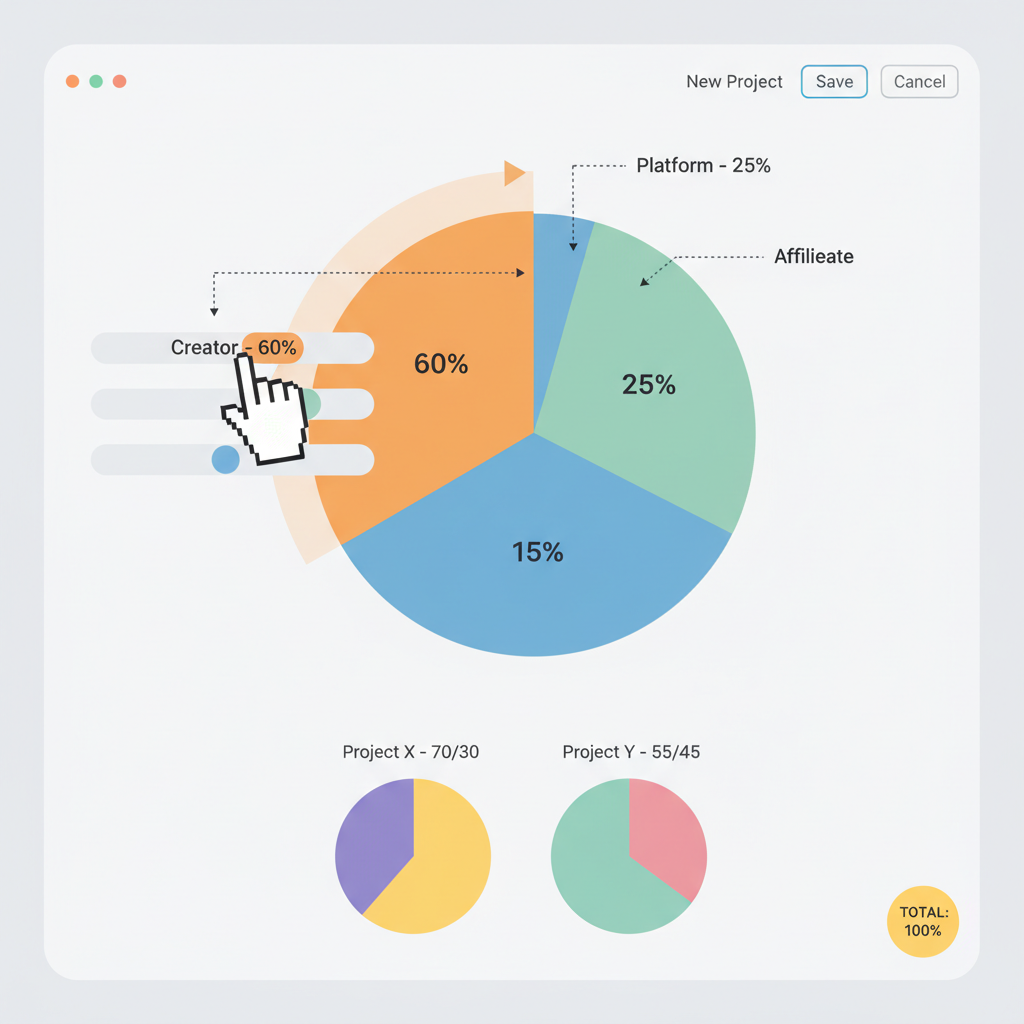
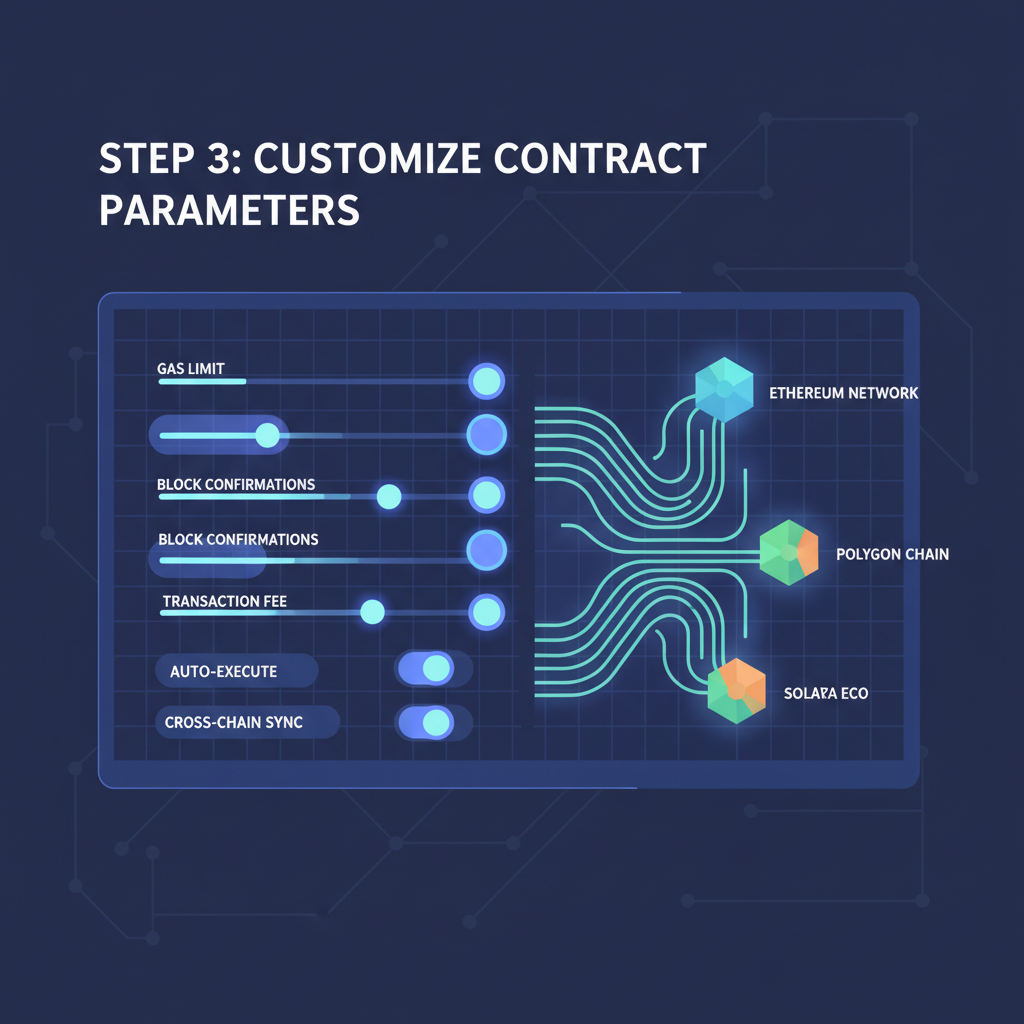

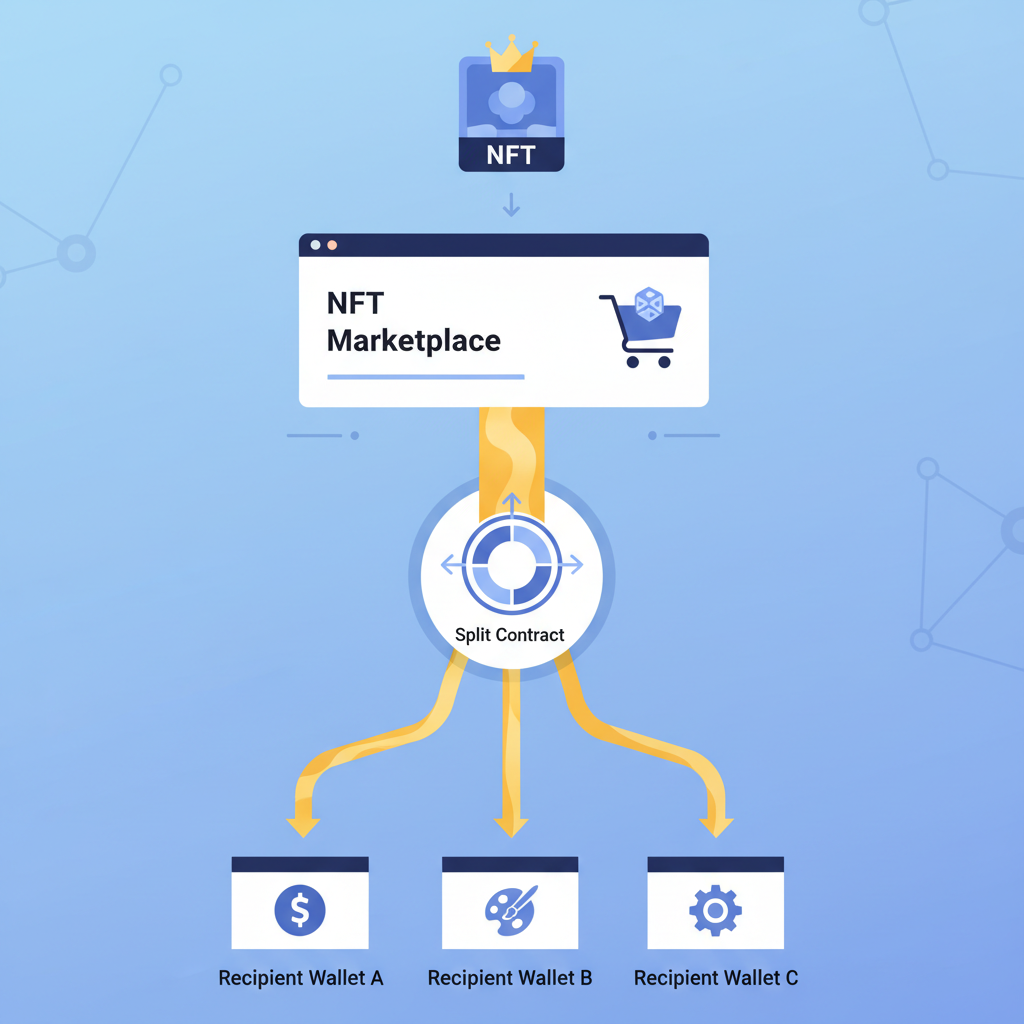
Once live, funds from any trigger – NFT secondary sales, token unlocks, even DeSoc tips – auto-distribute. Coinshift integrates this with DAO treasuries, automating payroll for full-time creators. No more ‘where’s my cut?’ Slack pings; wallets light up instantly.
Code in Action: A Peek Under the Hood
Want the guts? Here’s a stripped-down Solidity snippet for a basic splitter. It receives ETH, splits by ratio, and sends – gas-efficient and multisig-upgradable. Pros audit this stuff; deployers just plug in addresses.
Basic On-Chain Revenue Splitter Contract
Let’s kick things off with a battle-tested basic Solidity contract! This bad boy receives ETH or ERC20 tokens and automatically splits the revenue among multiple wallets based on predefined shares. No more chasing payments—pure on-chain magic!
```solidity
pragma solidity ^0.8.20;

interface IERC20 {
    function transfer(address to, uint256 amount) external returns (bool);
}

contract RevenueSplitter {
    address[] public payees;
    uint256[] public shares;
    uint256 public totalShares;

    constructor(address[] memory _payees, uint256[] memory _shares) {
        require(_payees.length == _shares.length, "Arrays length mismatch");
        require(_payees.length > 0, "No payees");
        uint256 _totalShares;
        for (uint i = 0; i < _shares.length; i++) {
            _totalShares += _shares[i];
        }
        require(_totalShares > 0, "Total shares must be greater than 0");
        payees = _payees;
        shares = _shares;
        totalShares = _totalShares;
    }

    // Receive ETH
    receive() external payable {}

    // Distribute ETH
    function distributeETH() external {
        uint256 balance = address(this).balance;
        _distributeETH(balance);
    }

    // Distribute ERC20 tokens
    function distribute(address tokenAddress) external {
        IERC20 token = IERC20(tokenAddress);
        uint256 balance = token.balanceOf(address(this));
        for (uint i = 0; i < payees.length; i++) {
            uint256 amount = (balance * shares[i]) / totalShares;
            token.transfer(payees[i], amount);
        }
    }

    function _distributeETH(uint256 balance) internal {
        for (uint i = 0; i < payees.length; i++) {
            uint256 amount = (balance * shares[i]) / totalShares;
            payable(payees[i]).transfer(amount);
        }
    }
}
```
Boom! Deploy it with your crew's addresses and shares (like 50%, 30%, 20%), send funds to the contract, then hit `distributeETH()` or `distribute(tokenAddress)`. Instant, trustless payouts every time. Level up your Web3 creator game! 🚀
This beauty scales to thousands without hiccups, thanks to batching and relayers. Pair with NFT standards like ERC-2981 for royalties, and your collection enforces creator cuts forever. Marketplaces integrate natively, firing nft marketplace payouts on every flip.
I've watched teams transform: one NFT project used splits for artist collectives, paying 2,000 contributors from a single vault. Royalties hit 10% of volume, all auto-split - no disputes, pure momentum. Another DAO funneled primary sale proceeds to devs, marketers, and holders, fueling a 5x token pump. That's web3 revenue splits igniting flywheels Web2 can't match.
Overcoming Hurdles and Scaling to Empire Status
Skeptics whine about gas fees or chain congestion, but L2s like Base and Optimism slash costs to pennies. Cross-chain bridges? 0xSplits handles it, bridging ETH to Solana vibes if needed. Legal? Aspen's templates wrap smart contracts in enforceable terms, dodging gray areas.
The real killer app? Collaboration without friction. Music NFTs with producers, remixers, vocalists - all get perpetual cuts. Gaming guilds splitting quest bounties. Even tokenized content from TOKN flows through splits for fair team shares. Riseworks' mass payout guides prove it: Web3 DAOs thrive on this transparency, verifiable creds ensuring legit claims.
DeSoc pioneers ditching likes for ownership? On-chain splits are their backend muscle, monetizing casts and frames directly. MEXC's models - micro-licensing, creator DAOs - explode when paired here. Struck Crypto's bets signal VCs piling in, funding infra that turns solo hustlers into syndicates.
This isn't incremental; it's a paradigm shift. Platforms crumble under volume; on-chain splits laugh at it. Creators own the pipes, dictate terms, and pocket more. Fortune favors the bold who deploy now - your next drop's revenue stream awaits, automated and unbreakable.
About the Author