
What SplitPay Onchain actually does
SplitPay Onchain is an open-source payment infrastructure layer built on Solana. It allows multiple wallets to jointly settle a single invoice. This is not a consumer app for splitting restaurant bills or utility costs. It is a protocol designed for the creator economy, enabling real-time revenue sharing among teams, collaborators, and platforms.
The distinction is critical. Consumer "split pay" services handle individual expense reimbursement. SplitPay Onchain handles complex, multi-party revenue distribution. When a creator sells a digital product or receives a sponsorship, the protocol automatically divides the payment. It sends fractions of the total to each participant based on predefined smart contract rules. This eliminates manual accounting and reduces the friction of cross-border payments.
The system operates on Solana’s high-throughput network. This allows for near-instant settlement with minimal fees. For creators, this means revenue reaches collaborators faster. For platforms, it reduces the administrative overhead of managing payouts. The protocol is transparent and auditable, as all transactions are recorded on-chain.

Calculate your creator split costs
Estimating net revenue requires separating protocol fees from network gas costs. Traditional payment processors often hide interchange fees and settlement delays behind opaque dashboards. SplitPay Onchain exposes these costs through transparent Solana transactions, allowing you to model payouts before they occur.
Use the calculator below to estimate your net revenue after a split. Input your total gross revenue, the number of collaborators, and current Solana transaction fees. The tool applies the standard 0.25% protocol fee and deducts estimated gas to show your final take.
How on-chain splits beat traditional methods
Traditional payment processors like PayPal and Stripe introduce friction that erodes creator revenue. A single transaction often incurs a base fee plus a percentage cut, followed by a settlement delay of two to three business days. For creator teams managing multiple payouts, these delays compound, creating cash flow gaps that manual bank transfers cannot resolve. SplitPay Onchain operates differently by settling revenue in real time.
The on-chain approach removes the middleman from the distribution equation. Instead of routing funds through a centralized bank account that holds money for days, SplitPay distributes funds directly to participant wallets via a single smart contract transaction. This reduces the number of steps in the payout process from five or more to one. The result is immediate availability of funds for all team members.
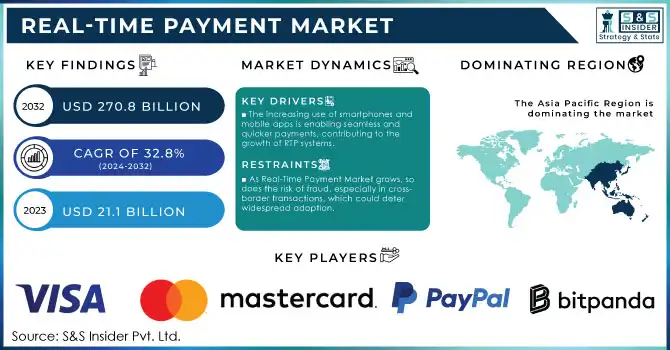
Cost efficiency is the other major advantage. While traditional gateways charge roughly 2.9% plus $0.30 per transaction, on-chain splits on Solana typically cost a fraction of a cent per transaction. This difference becomes significant as volume increases. A team processing $10,000 in monthly revenue might pay hundreds in traditional fees, whereas on-chain costs remain negligible. The transparency of the ledger also eliminates reconciliation headaches.
The following comparison highlights the operational differences between legacy processors and SplitPay Onchain.
| Method | Typical Fees | Settlement Time | Transparency |
|---|---|---|---|
| PayPal | 2.9% + $0.30 | 2-3 business days | Low (black box) |
| Stripe | 2.9% + $0.30 | 2-7 business days | Medium (API logs) |
| Bank Transfer | $5-$25 flat | 1-5 business days | High (bank statement) |
| SplitPay Onchain | < $0.01 | Seconds | High (on-chain) |
Set up your first on-chain revenue split
Integrating SplitPay Onchain requires a different mindset than using traditional bill-splitting apps. This is an open-source infrastructure layer built on Solana that allows multiple wallets to jointly settle a single invoice in real time. The goal is to automate revenue distribution directly from your content pipeline, removing the need for manual payouts or third-party intermediaries.
You will need a Solana-compatible wallet and a basic understanding of how on-chain programs handle transactions. This guide walks you through configuring a multi-payer invoice and linking it to your existing workflow.
Start by accessing the official SplitPay interface. Ensure your Solana wallet is connected and funded with enough SOL to cover transaction fees. Unlike consumer apps, this is a programmatic interface; verify you are on the correct domain to avoid phishing sites.
Create a new split configuration. Input the total revenue amount and specify the percentage or fixed value allocated to each participant. You can add multiple wallet addresses as recipients. The protocol calculates the exact share for each wallet based on these ratios before the transaction is signed.
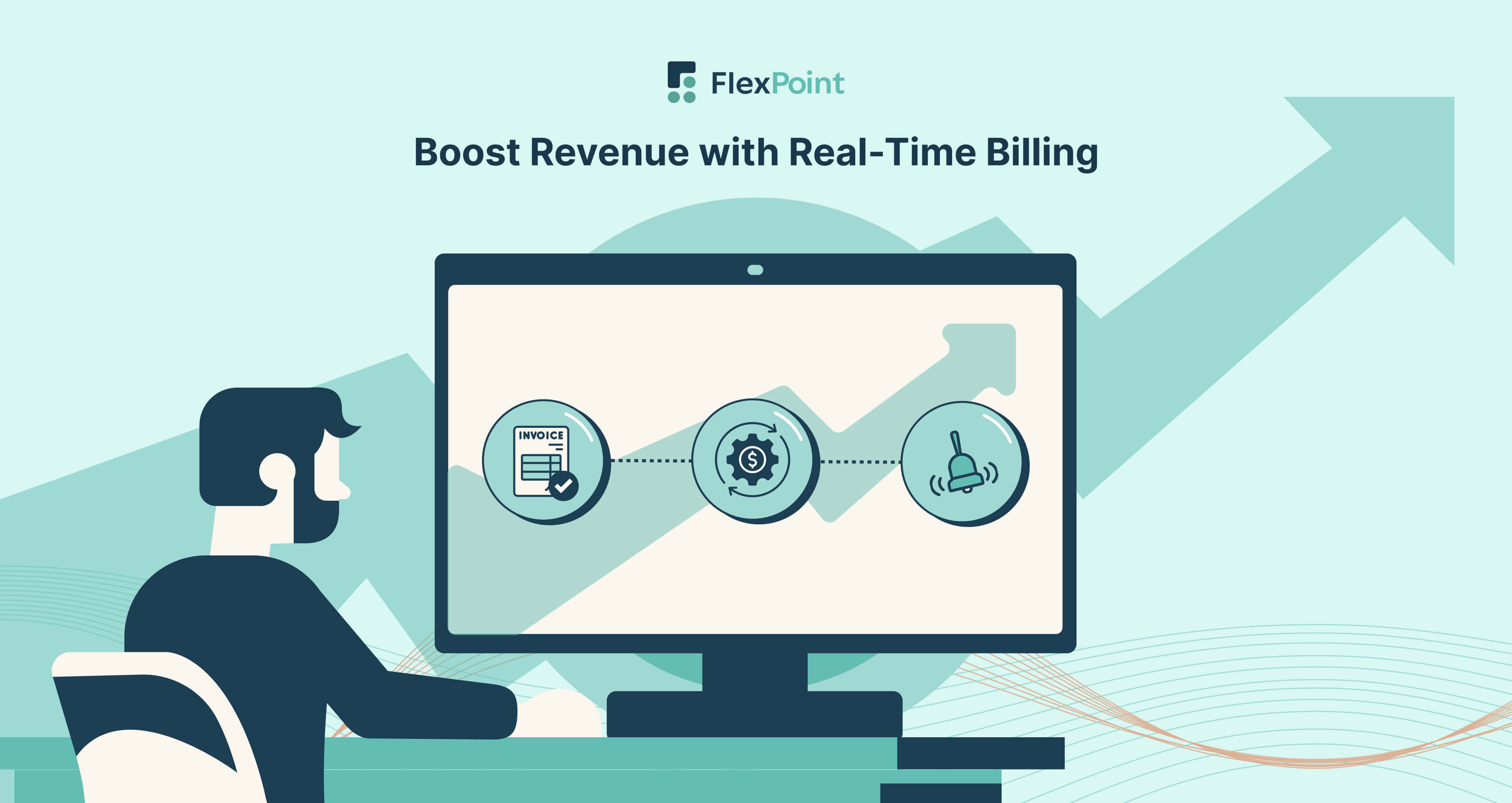
Once the parameters are set, generate a unique invoice link. Share this link with your clients or partners. When they pay, the funds are automatically distributed to the designated wallets in real time. You can embed this link directly into your content, newsletters, or API endpoints.
After payment, verify the transaction on a Solana block explorer. The SplitPay protocol records the split execution on-chain, providing a transparent and immutable record of the revenue distribution. This ensures all parties can audit the payout without relying on a central authority.
Note: SplitPay is a protocol, not a consumer app. Do not confuse it with services like Splitwise. It operates entirely on Solana and requires technical setup for integration into your content pipeline.
For detailed technical documentation, refer to the official SplitPay GitHub repository and the Solana documentation on program interactions.
Community feedback on SplitPay
Developers and creators are evaluating SplitPay as a distinct layer of financial infrastructure rather than a consumer app. The protocol operates on Solana, enabling multiple wallets to jointly settle a single invoice through on-chain logic. This distinction matters: unlike bill-splitting services that manage personal debts, SplitPay handles revenue distribution for digital goods and services.
GitHub discussions highlight the technical clarity of the open-source implementation. Developers appreciate the transparent codebase, which allows for audits and custom integrations without hidden fees or opaque black-box algorithms. The ability to trace every split in real time provides accountability that traditional payment processors often lack.
Creator communities note the speed of settlement. On Solana, transactions confirm in seconds, allowing funds to reach contributors immediately. This immediacy reduces the cash flow friction common in fiat-based systems, where payouts can take days or weeks. The protocol’s design prioritizes finality, ensuring that once a split is executed, it is immutable and recorded on the blockchain.
Checklist for adopting on-chain splits
Before moving revenue sharing to the blockchain, verify your technical readiness. SplitPay Onchain is an open-source protocol layer on Solana, not a consumer bill-splitting app. It requires direct wallet integration and smart contract interaction.
-
Set up a Solana-compatible wallet (e.g., Phantom, Solflare).
-
Fund the wallet with SOL for transaction fees.
-
Review the SplitPay Protocol GitHub for smart contract audits.
-
Test the integration on the Solana Devnet before mainnet deployment.
-
Verify your code handles multiple payer wallets correctly.
Common questions about SplitPay Onchain
Because the name "SplitPay" is shared by a consumer bill-splitting service that divides rent or mortgage payments, many users initially confuse the two. SplitPay Onchain is a protocol for real-time revenue sharing among creators and collaborators, not a tool for personal bill management. It operates on Solana to facilitate transparent, automated payouts based on smart contract logic rather than manual payment scheduling.
Is SplitPay Onchain legitimate?
Legitimacy in this context depends on understanding the underlying technology. SplitPay Onchain is an open-source protocol built on Solana, meaning its code is publicly auditable on GitHub. Unlike traditional fintech apps that hold funds in opaque bank accounts, this protocol executes revenue splits automatically via smart contracts. This transparency reduces counterparty risk, as users can verify the split logic and transaction history directly on the blockchain.
How does it work?
The system uses smart contracts to define revenue-sharing agreements between creators, collaborators, and platforms. When revenue is generated—such as from token sales, NFT drops, or platform payouts—the protocol automatically distributes the funds according to the pre-defined percentages. This eliminates the need for manual invoicing or delayed reconciliation, ensuring that all parties receive their share in real-time.
How long does it take to process?
Processing times are determined by Solana’s network speed, which typically settles transactions in under a second. Once a revenue event is triggered, the smart contract executes the distribution immediately. There are no multi-day banking delays or manual verification steps. Users can view the confirmation of their share almost instantly on a Solana block explorer.
How do I cancel or modify a split?
Because the splits are governed by immutable smart contracts, you cannot simply "cancel" a split like you would a subscription. Modifications or terminations require a mutual agreement among all parties involved, followed by a transaction that updates the contract parameters or closes the revenue stream. Always review the terms of the smart contract before contributing to a project to understand the exit conditions.
No comments yet. Be the first to share your thoughts!