
SplitPay onchain budget
Onchain settlement sounds like a magic wand for cash flow, but the reality is a tradeoff between speed, cost, and complexity. When you move SplitPay from traditional banking rails to blockchain networks, you aren't just shifting money; you are changing how your business absorbs risk and transaction fees. The "instant" part of the equation often comes with gas fees that can eat into thin margins, especially during network congestion.
The core decision is choosing which chain supports your volume. Ethereum Mainnet offers the deepest liquidity but charges premium fees. Layer 2 solutions like Arbitrum or Base offer lower costs and faster finality, but you must ensure your vendors and partners actually accept those specific tokens. If your counterparty expects USDC on Ethereum, forcing a Layer 2 settlement creates reconciliation headaches that outweigh the savings.
Think of it like choosing a shipping method for high-value goods. You could send it via overnight courier (Ethereum Mainnet) for guaranteed, fast arrival at a high price, or use a regional freight service (Layer 2) that is cheaper but requires more handling. For most B2B operations, the goal is minimizing friction, not chasing the absolute fastest block time. Calculate the total cost of settlement—including slippage and gas—against the benefit of immediate liquidity before committing to a specific chain.
Compare SplitPay Onchain options
SplitPay Onchain isn't a single product; it's a suite of tools designed to manage cash flow using blockchain settlement. For B2B teams, picking the right layer depends on whether you prioritize speed, cost, or compliance. Below is a comparison of the strongest onchain settlement options available today.
The Comparison
| Feature | Standard Settlement | Instant Settlement | Batch Processing |
|---|---|---|---|
| Speed | 1-3 business days | Under 10 seconds | Variable (batch window) |
| Cost | Standard network fees | Higher priority fees | Lowest per-unit cost |
| Best For | Vendor payments | Emergency liquidity | Payroll & bulk payouts |
| Risk | Low (settled) | Medium (pending) | Low (automated) |
Which option fits your workflow?
Standard Settlement is the safe default. It mimics traditional ACH transfers but moves onchain. Use this for recurring vendor payments where timing is predictable. The lower fees make it ideal for high-volume, low-urgency transactions.
Instant Settlement uses priority fees to push transactions through the network immediately. This is critical for B2B scenarios where a late payment triggers a service interruption. The cost is higher, but the certainty of delivery is unmatched.
Batch Processing groups multiple transactions into a single block. This is the most efficient method for payroll or large-scale disbursements. It reduces the total gas spent per transaction, though it requires careful scheduling to avoid network congestion.
Community Insights
Inspect the expensive parts
The SplitPay Onchain works best as a clear sequence: define the constraint, compare the realistic options, test the tradeoff, and choose the path with the fewest hidden costs. That order keeps the advice usable instead of decorative. After each step, pause long enough to check whether the recommendation still fits the reader's actual situation. If it depends on perfect timing, unusual access, or a best-case budget, include a simpler fallback.


Calculate the true cost of ownership
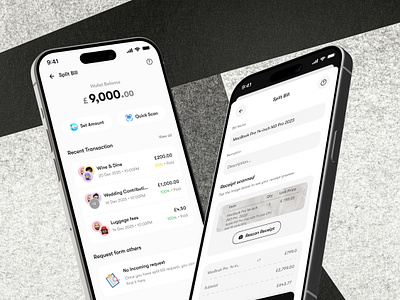
SplitPay offers a convenient way to stretch monthly bills like rent or mortgages into two payments, but the upfront price is only part of the equation. The real financial impact comes from maintenance surprises and hidden fees that can turn a low-cost tool into a liability. When a cheap buy stops being cheap, it is usually because the user overlooked the operational friction or the penalty structure attached to late or failed transactions.
Hidden fees and bank charges
The most common ownership cost for payment splitting tools is the cascade of bank fees. If SplitPay attempts to pull funds from an account with insufficient balance, your bank may charge a non-sufficient funds (NSF) fee, and SplitPay may add its own late or retry fee. These charges stack quickly, especially if the service automatically retries multiple times. Always check your bank’s policy on recurring debit attempts and ensure your buffer covers the total split amount, not just the first half.
Time and attention tax
Beyond direct fees, there is the cost of managing the service. If the platform experiences downtime or requires manual intervention to correct a split, you lose time troubleshooting. This is particularly relevant for B2B cash flow, where delayed settlements can trigger vendor penalties. Evaluate whether the convenience of splitting outweighs the risk of administrative overhead during high-volume periods.
When to walk away
A payment splitter is only worth it if it prevents a larger financial hit. If you can consistently pay in full and avoid late fees on your original bills, SplitPay may be an unnecessary expense. However, if the service helps you maintain liquidity without triggering bank penalties, the ownership cost is justified. Always calculate the total fees paid against the interest or late charges you avoided to determine the net benefit.
Splitpay onchain: what to check next
Before committing to on-chain settlement, it helps to understand the practical trade-offs between traditional split-pay services and blockchain-based alternatives. The core difference lies in speed, cost, and control. Traditional services like SplitPay often act as intermediaries, charging fees to bridge the timing gap between your paycheck and your bill. On-chain solutions, by contrast, use smart contracts to automate the split instantly, removing the middleman but introducing crypto volatility and network fees.
Here are the most common questions about using AI-driven instant settlements for B2B cash flow.
Helpful gear
Use these product recommendations as a starting point, then choose the size, material, and price point that fit how you actually use the gear.

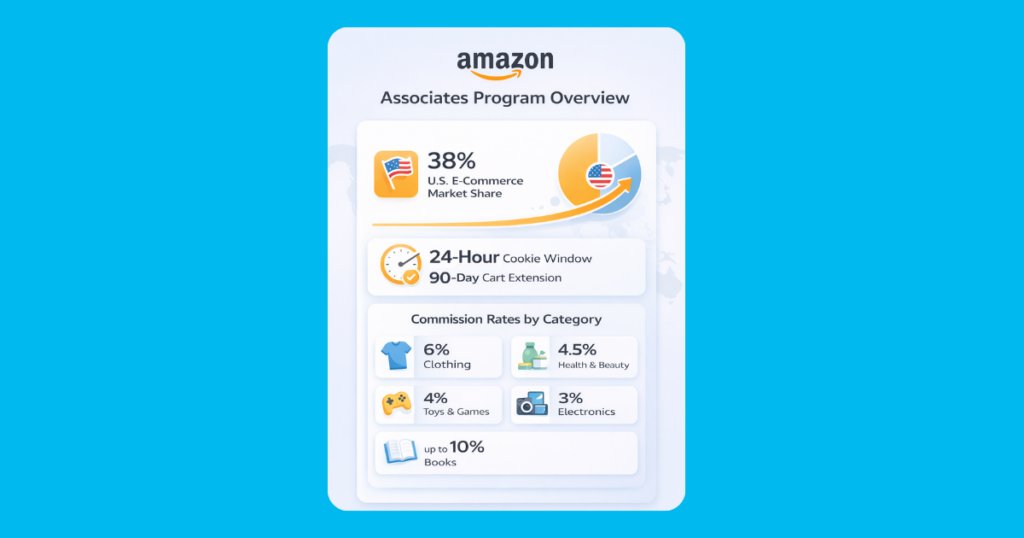
As an Amazon Associate, we may earn from qualifying purchases.
No comments yet. Be the first to share your thoughts!