

In the bustling creator economy of 2026, on-chain split contracts have emerged as the backbone for equitable NFT royalty payouts to multiple creators. With Ethereum-based NFT artists already collecting over $1.8 billion in royalties, as reported by Galaxy Digital, these smart contracts automate revenue distribution from secondary sales, slicing through the opacity that once plagued digital art markets. Platforms like Zora and Manifold now make it seamless for collaborators to define and enforce splits directly on the blockchain, turning every resale into a trustless payout event.
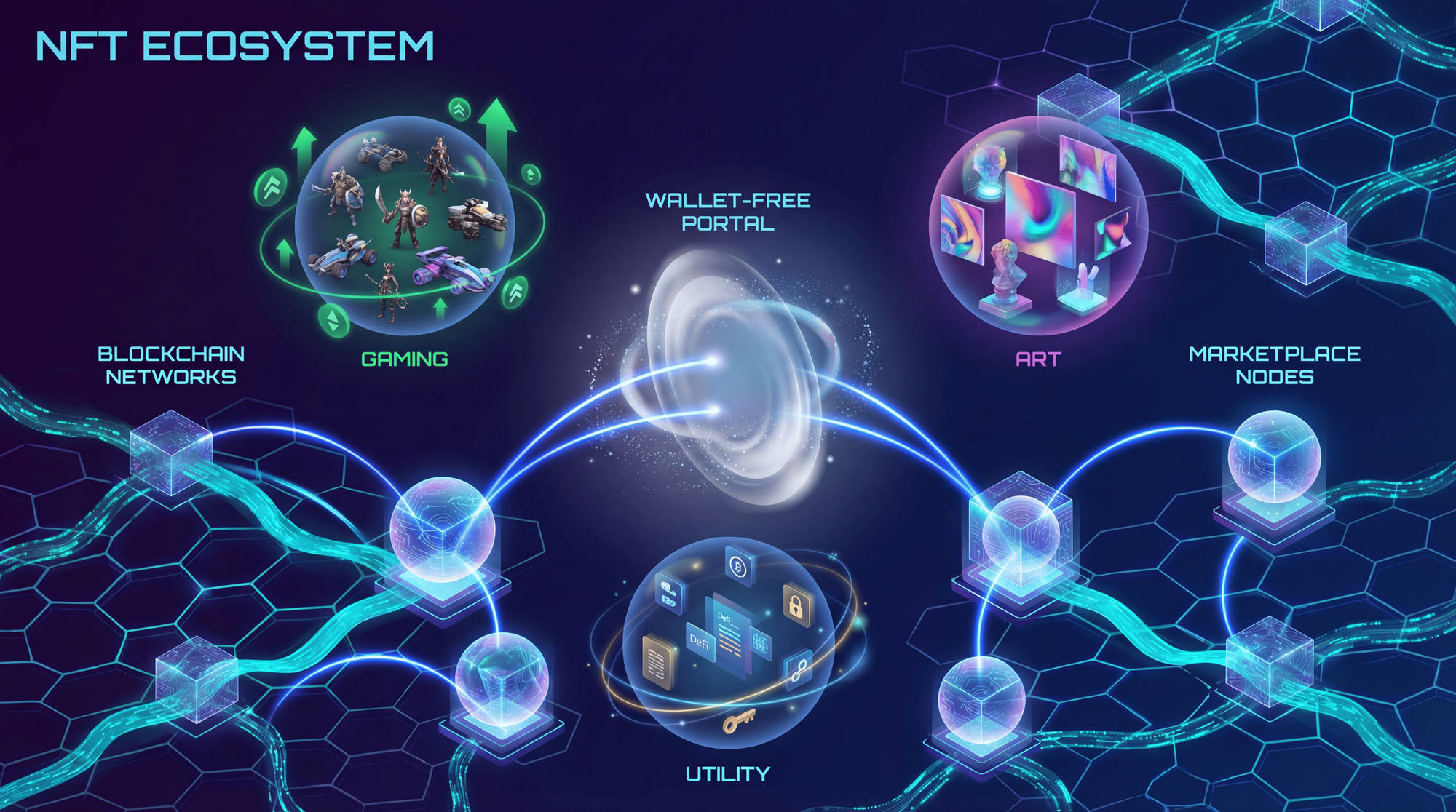
The Mechanics of Split Contracts in Action
At their core, split contracts NFT technology operates like a digital escrow with predefined rules. When an NFT resells, the contract triggers, calculating royalties based on metadata standards such as EIP-2981. This Ethereum Improvement Proposal embeds royalty info right into the token, specifying percentages for primary creators, co-authors, or even influencers. Unlike off-chain promises that marketplaces often ignore, on-chain enforcement respects these parameters across compatible platforms, minimizing disputes and maximizing creator retention.
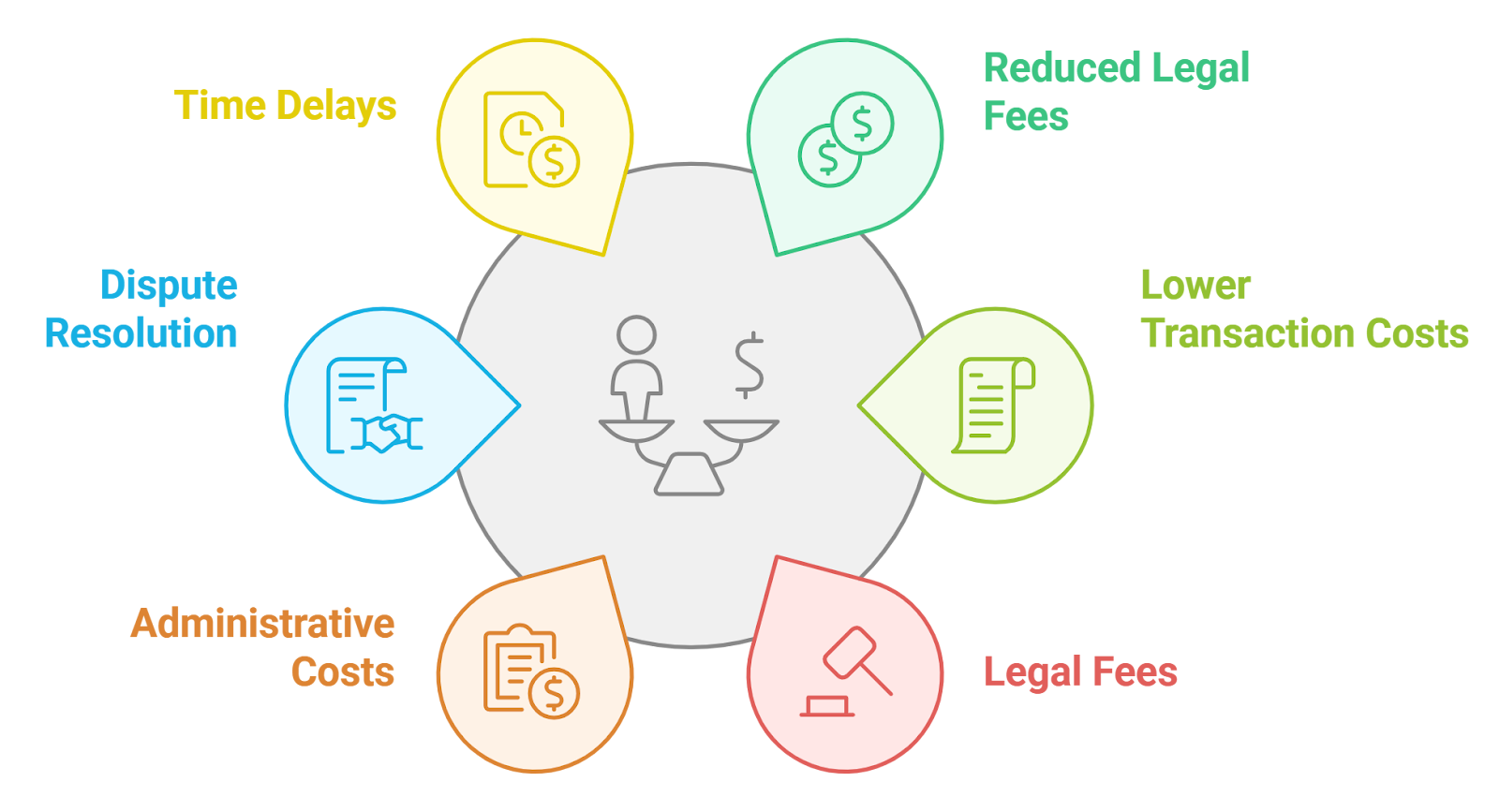
Consider a collaborative generative art project: one artist designs visuals, another codes the algorithm, a third curates the theme. Traditional royalties might bottleneck at a single wallet, forcing manual redistributions fraught with delays and fees. Enter blockchain revenue sharing via splitters. These contracts deploy once during minting, atomically diverting funds. Zora's integration with Splits. org exemplifies this; artists deploy splits while editing editions, ensuring Ethereum flows precisely to all parties without intermediaries.
Key Benefits of On-Chain Splits
- Transparency: All royalty distributions are publicly verifiable on the blockchain, building trust as seen in Zora and Manifold implementations.
- Automation: Smart contracts instantly allocate royalties from secondary sales, streamlining payouts without intermediaries per EIP-2981.
- Multi-Recipient Support: Royalties split automatically among co-creators and collaborators, as enabled by Splits.org and Manifold contracts.
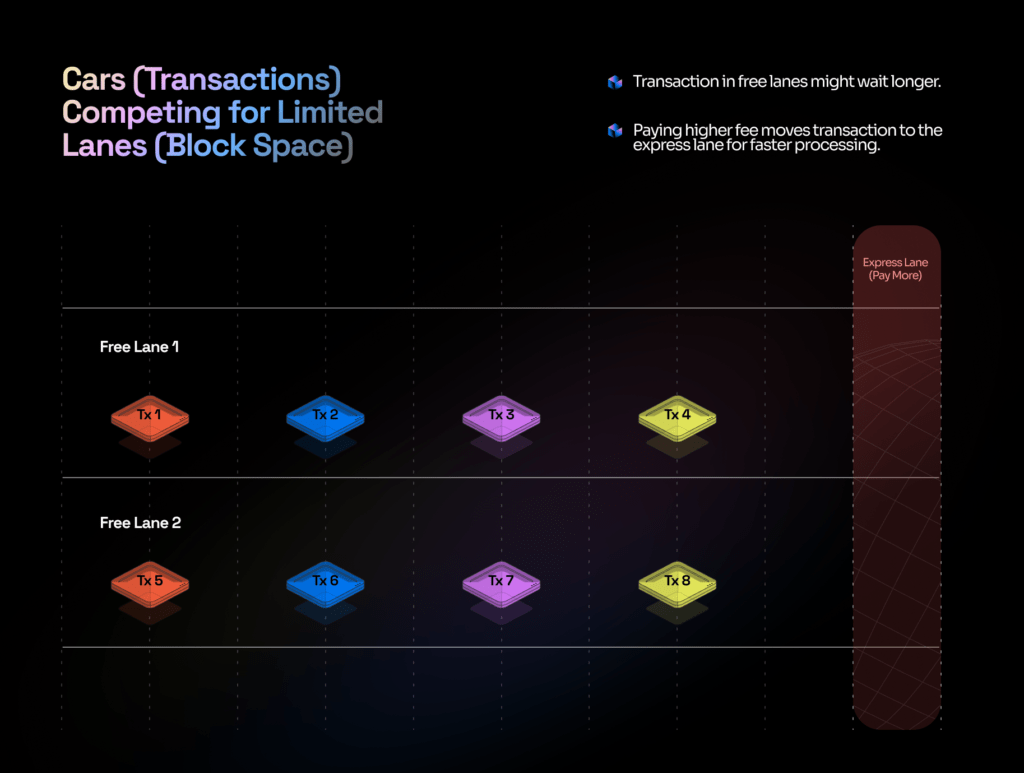
- Gas Efficiency: Optimized transactions on Zora V3 and networks like Polygon reduce costs for frequent distributions.
- Cross-Marketplace Enforcement: EIP-2981 ensures consistent royalties across platforms like Ethereum and Solana marketplaces.
Overcoming Legacy Challenges in Multi-Creator Ecosystems
Early NFT hype in the 2021-2022 boom exposed royalty enforcement failures, with some platforms slashing payouts to lure buyers. By 2026, web3 royalty distribution has flipped the script. Manifold's creator-owned contracts offer extensions for custom logic, like dynamic splits that adjust based on sales volume or holder loyalty. This flexibility appeals to diverse teams, from digital duos to influencer-backed drops, boosting revenue sharing by up to 30%, per CoinLaw insights.
Yet, nuance matters. Multi-recipient setups demand rigorous testing; a poorly coded splitter could lock funds or misallocate percentages. Platforms mitigate this with audited templates and gas-optimized protocols, like Zora V3's auction and minting tools. The result? Creators focus on art, not accounting, fostering trust that Polymarket bettors now price into an NFT resurgence.

Platforms Driving Adoption in 2026
Leading marketplaces have embedded on-chain creator payouts as table stakes. Zora stands out with permissionless minting and perpetual royalties, while Polygon and Solana offer low-cost alternatives for high-volume drops. fxhash leverages Splits for Tezos-based payouts, proving chain-agnostic appeal. Blockchain App Factory notes how automation accelerates settlements, building systemic trust essential for scaling.
Smart contracts, as Grace Lau highlights on LinkedIn, streamline art sales by distributing payments instantly on resales. This real-time precision extends beyond visuals to music NFTs, where Instagram discussions envision songwriter-fan splits without gatekeepers. In practice, EIP-2981's multi-recipient support shines, letting creators dictate flows via simple metadata tweaks.
While EIP-2981 provides the metadata foundation, the real power lies in deploying dedicated splitter contracts that handle complex distributions. These aren't just theoretical; they're battle-tested tools reshaping how teams collaborate in Web3. For instance, a visual artist partnering with a musician for an NFT album could allocate 40% to visuals, 30% to audio, 20% to curation, and 10% to a community treasury, all enforced atomically on every secondary sale.
Simple EIP-2981 Royalty Splitter Contract
Here is a simple Solidity smart contract that serves as an EIP-2981 royalty receiver. It splits incoming ETH payments (royalties) among multiple creators based on predefined share percentages. Your NFT contract can return this splitter's address in its `royaltyInfo` function.
```solidity
// SPDX-License-Identifier: MIT
pragma solidity ^0.8.20;

contract SimpleRoyaltySplitter {
    address[] public recipients;
    uint256[] public shares;
    uint256 public totalShares;

    event Distribution(address indexed recipient, uint256 amount);

    constructor(address[] memory _recipients, uint256[] memory _shares) {
        require(_recipients.length == _shares.length && _recipients.length > 0, "Invalid inputs");
        require(_recipients.length <= 10, "Too many recipients"); // Gas limit safeguard

        recipients = _recipients;
        shares = _shares;

        for (uint256 i = 0; i < _shares.length; i++) {
            totalShares += _shares[i];
        }
        require(totalShares > 0, "Total shares must be greater than 0");
    }

    receive() external payable {
        require(msg.value > 0, "No value sent");
        uint256 balance = address(this).balance;

        for (uint256 i = 0; i < recipients.length; i++) {
            uint256 payout = (msg.value * shares[i]) / totalShares;
            if (payout > 0) {
                payable(recipients[i]).transfer(payout);
                emit Distribution(recipients[i], payout);
            }
        }
    }

    // Emergency withdrawal function (owner could be added)
    // For simplicity, omitted here
}
```
Deploy this contract with an array of recipient addresses and their corresponding shares (e.g., [100, 200] for 33% and 67% split). Royalties paid to it will be automatically distributed proportionally. Note: This is a basic example; production versions should include access controls, reentrancy guards, and share updates.
Real-World Deployments and Case Studies
fxhash's use of Splits. org on Tezos demonstrates cross-chain viability, routing Ethereum equivalents to creators without friction. Zora artists now embed these during edition edits, a workflow that Manifold enhances with custom extensions for dynamic royalties, think escalating shares for top holders. This isn't hype; it's measurable impact. CoinLaw reports platforms splitting royalties among co-creators and influencers, amplifying revenue sharing by up to 30%. Galaxy Digital's tally of $1.8 billion in Ethereum NFT royalties underscores the scale, with on-chain mechanisms capturing a growing slice that off-chain systems couldn't touch.
Challenges persist, though, demanding a balanced view. Multi-recipient splits introduce gas complexities and testing hurdles, as noted in goldrush. dev guides. A misconfigured contract might fragment payouts unevenly across marketplaces, eroding trust. Yet, 2026's audited libraries and Zora V3's gas optimizations address this head-on, making deployment accessible even for non-technical creators. The updated landscape as of February 2026 confirms on-chain splits as standard, with Manifold and Zora leading enforcement while EIP-2981 ensures metadata portability.
Scaling for the Creator Economy
Blockchain App Factory emphasizes how automation fosters trust through quick, transparent settlements, critical as NFT platforms evolve beyond Ethereum, Polygon, and Solana into hybrid ecosystems. MEXC highlights flexibility as key, with marketplaces prioritizing split contracts NFT compatibility to attract serious creators. Polymarket odds reflect this momentum, betting on a 2026 resurgence fueled by reliable on-chain creator payouts.
Look to music and beyond: Instagram visions of real-time songwriter-fan splits via smart contracts mirror NFT trends, collapsing gatekeepers into code. tamam_musiq's take rings true, NFTs as deals, fans as shareholders. This shifts power, letting collaborators thrive without manual ledgers or disputes. vistarawglobal nails it: trust, simplification, speed for rights management.
For teams eyeing implementation, start with templates from Splits. org or Manifold. Define recipients, percentages, and triggers during minting; test across chains; launch. The payoff? Passive income streams that compound with every resale, unhindered by platform whims. In a market where enforcement once faltered, web3 royalty distribution now delivers precision, proving blockchain's maturity for multi-creator ventures.
Ultimately, these tools empower artists to build lasting economies around their work, where every transaction reinforces the network. As adoption deepens, expect even smarter splits, AI-adjusted shares, fan-voted allocations, pushing the creator economy toward true decentralization.



No comments yet. Be the first to share your thoughts!