
The creator payout bottleneck
Creators and digital agencies face a broken settlement system. Traditional cross-border payments are slow, expensive, and opaque. When a creator earns revenue in one currency but lives in another, the friction of moving that money eats directly into their income.
The average cross-border transaction takes days to settle. During that window, exchange rates can shift, and intermediary banks levy hidden fees. For high-volume earners, these costs compound. A 3% fee on a $10,000 payout is $300 lost. On a $100,000 annual income, this friction represents a significant, unnecessary drag on growth.
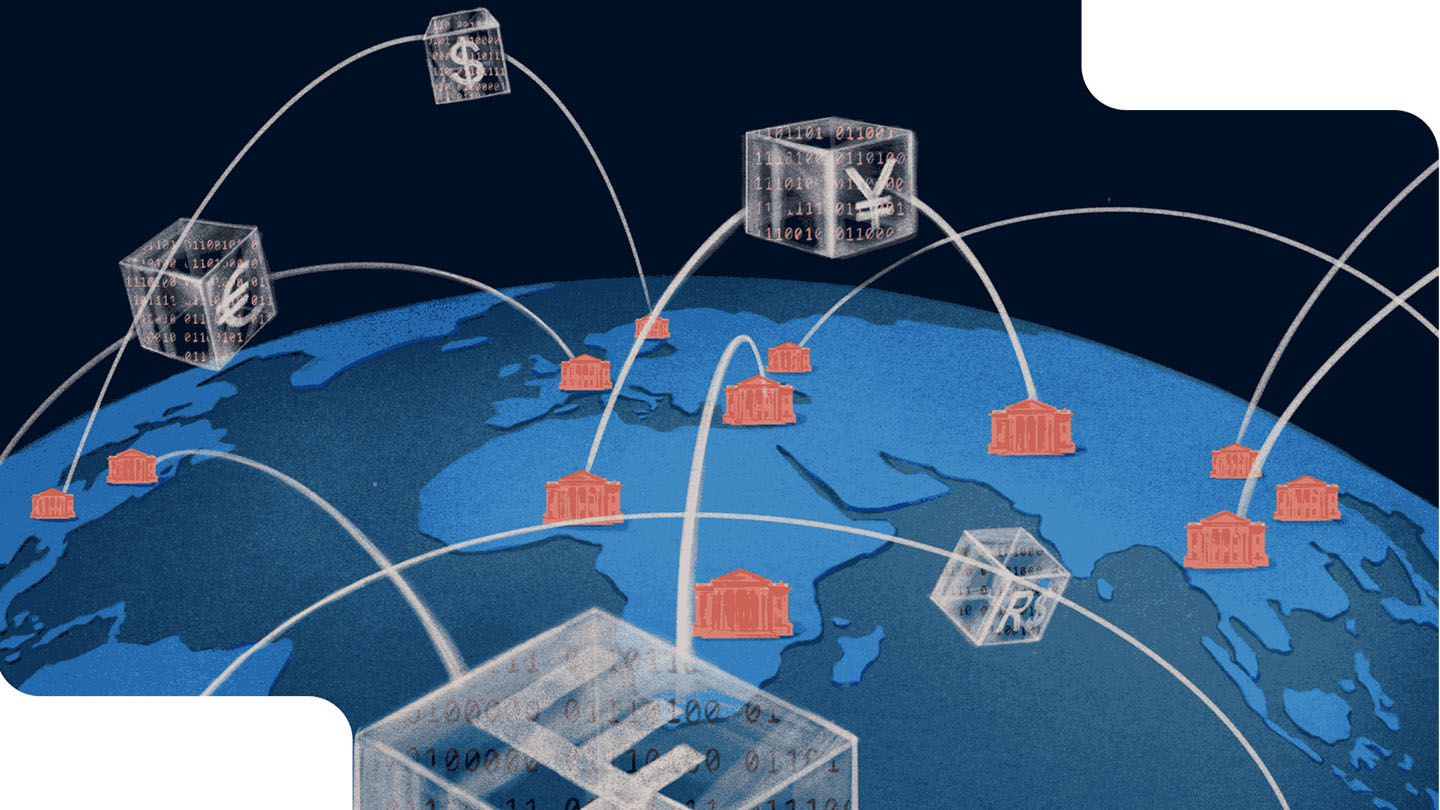
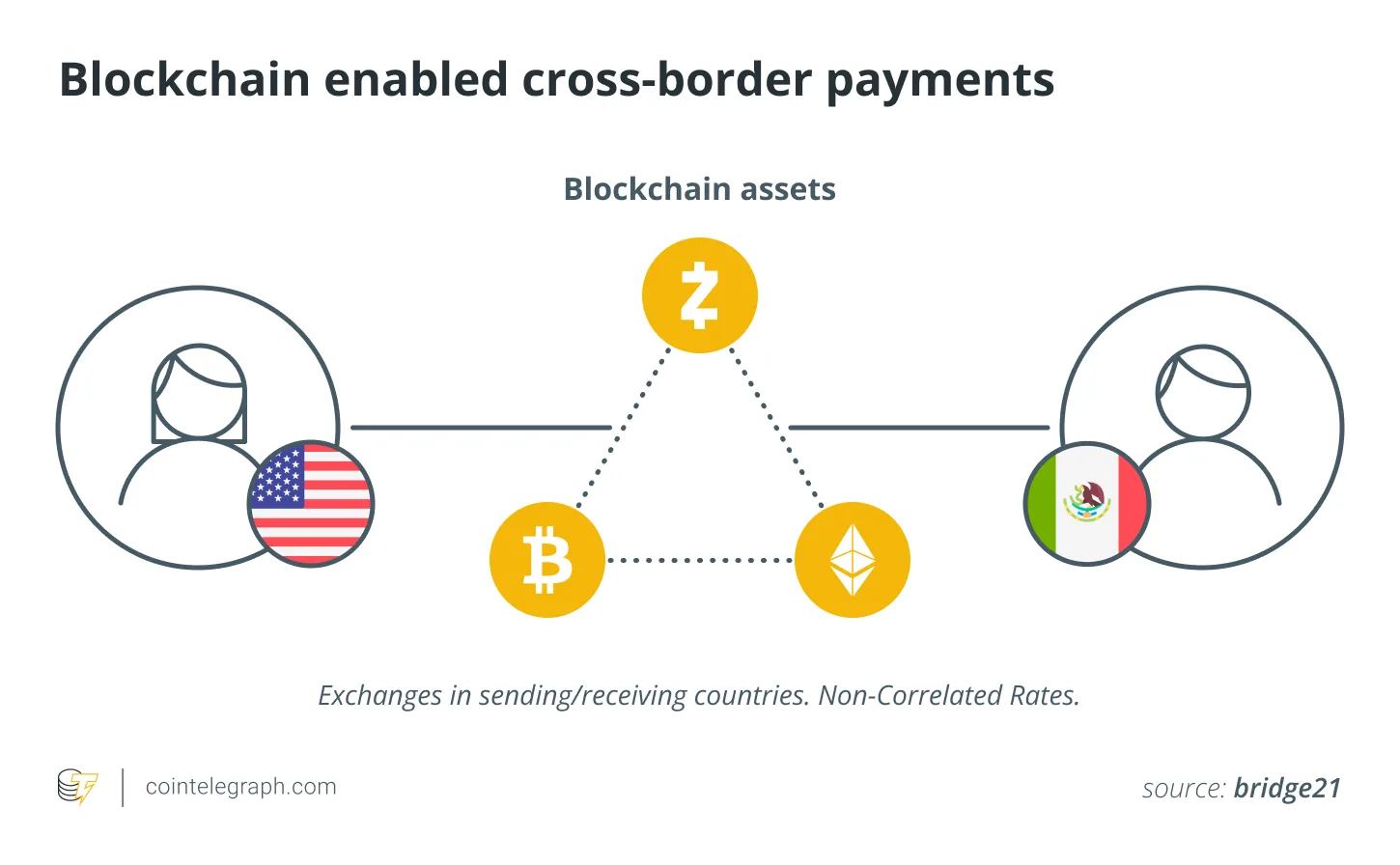
SplitPay on-chain solutions address this by bypassing the traditional banking rails. By leveraging blockchain technology, payouts can settle in minutes rather than days, with near-zero intermediary fees. This shift transforms payout infrastructure from a bottleneck into a transparent, efficient utility.
How SplitPay Onchain structures splits
SplitPay Onchain automates revenue distribution by embedding logic directly into smart contracts, removing the need for manual reconciliation or third-party custodians. Instead of a single payment landing in one account and being manually divided later, the protocol splits funds atomically during the transaction itself. This mechanism ensures that every stakeholder—creators, affiliates, or collaborators—receives their exact share instantly and transparently.
The system operates on a predefined split configuration. When a payment is initiated, the smart contract checks the agreed-upon ratios and distributes the assets to multiple wallet addresses in a single on-chain transaction. This approach mirrors traditional payment splitting services but leverages blockchain technology to eliminate settlement delays and reduce intermediary fees. By coordinating shared token payments exclusively on supported networks like Robinhood Chain, SplitPay uses onchain escrow to guarantee that funds are distributed according to the fixed shares set at the contract level.
This atomic splitting method significantly reduces friction for creator economies. Creators no longer need to chase down separate invoices or wait for batch processing periods. The 1% fee structure, clearly defined in the protocol, covers the gas costs and network execution, providing a predictable cost model for high-volume transactions. This transparency builds trust, as every split is recorded on the blockchain and verifiable by all parties involved.
To understand the broader market context in which these onchain solutions operate, it helps to look at the underlying asset performance and network health.
Cross-border liquidity advantages
Use this section to make the SplitPay Onchain decision easier to compare in real life, not just on paper. Start with the reader's actual constraint, then separate must-have requirements from details that are merely nice to have. A practical choice should survive normal use, maintenance, timing, and budget. If a recommendation only works in an ideal situation, call that out plainly and give the reader a fallback path.
| Factor | What to check | Why it matters |
|---|---|---|
| Fit | Match the option to the primary use case. | A good deal still fails if it does not fit the job. |
| Condition | Verify age, wear, and service history. | Hidden condition issues erase upfront savings. |
| Cost | Compare purchase price with likely upkeep. | The cheapest option is not always the lowest-cost option. |
Risk factors and compliance checks
Use this section to make the SplitPay Onchain decision easier to compare in real life, not just on paper. Start with the reader's actual constraint, then separate must-have requirements from details that are merely nice to have. A practical choice should survive normal use, maintenance, timing, and budget. If a recommendation only works in an ideal situation, call that out plainly and give the reader a fallback path.
The simplest way to use this section is to write down the must-have criteria first, then compare each option against those criteria before weighing nice-to-have features.
Setting up your first split contract
Configuring a split contract on SplitPay Onchain turns a complex multi-party payout into a single, atomic transaction. This setup ensures that every collaborator receives their share instantly, without manual intervention or intermediary fees. Follow these steps to deploy your first automated payment structure.

Open the SplitPay Onchain interface and connect your primary wallet. The platform supports standard Ethereum-compatible wallets, allowing you to authenticate securely and access the deployment tools required for creating new splits.
Enter the wallet addresses of all parties involved in the revenue stream. Each beneficiary must be added individually with their specific role. Ensure addresses are verified to prevent irreversible errors, as on-chain transactions cannot be reversed once executed.
Allocate the exact percentage of revenue each recipient will receive. The total must equal 100%. You can adjust these ratios at any time before the contract is finalized, allowing for flexible arrangements as team dynamics or project scopes change.
Review the configuration and confirm the deployment transaction. This action publishes the split logic to the blockchain. Once confirmed, the contract is live, and future payments routed to the designated address will be automatically divided according to your specified percentages.
Frequently asked questions about SplitPay onchain
Is SplitPay a legitimate app?
SplitPay operates as a regulated financial technology platform, partnering with licensed banks and payment processors to handle transactions securely. While user reviews on platforms like Trustpilot show mixed experiences typical of the fintech sector, the underlying infrastructure relies on established banking rails rather than unverified third parties. Always verify the app’s current licensing status directly on their official website before linking sensitive accounts.
Who owns SplitPay?
SplitPay is owned and operated by Split Pay, Inc., a private company founded to modernize bill payment infrastructure. The leadership team includes veterans from traditional banking and fintech sectors, aiming to bridge the gap between legacy payment systems and modern user expectations. For detailed corporate information, refer to their official about-us page.
How does split pay work?
The onchain version of SplitPay automates the division of large recurring bills—such as rent, mortgages, or car loans—into smaller, more frequent payments. By aligning these payments with your paycheck schedule, it helps smooth out cash flow. The platform uses smart contracts to execute these splits automatically, ensuring that funds are routed to the correct payees without manual intervention each month.
How long does split pay take to process?
Onchain transactions typically settle within minutes, depending on the specific blockchain network’s congestion and gas fees. Unlike traditional bank transfers that may take 1-3 business days to clear, onchain settlements are near-instant. However, the recipient bank or service provider may still require standard processing time to reflect the funds in their available balance.
No comments yet. Be the first to share your thoughts!