
The onchain settlement shift
Cross-border payments have long been defined by latency. Traditional banking rails, particularly the SWIFT network, operate on batch processing cycles that introduce significant delays. A transfer initiated on Monday often does not settle until Wednesday or Thursday, creating a liquidity gap that ties up working capital and obscures financial visibility for businesses.
The cost of this delay is measurable. Funds sit in transit rather than generating revenue, and the opaque fee structures of correspondent banks add friction to every transaction. For high-volume operations, these inefficiencies compound quickly, turning simple payouts into complex reconciliation challenges.
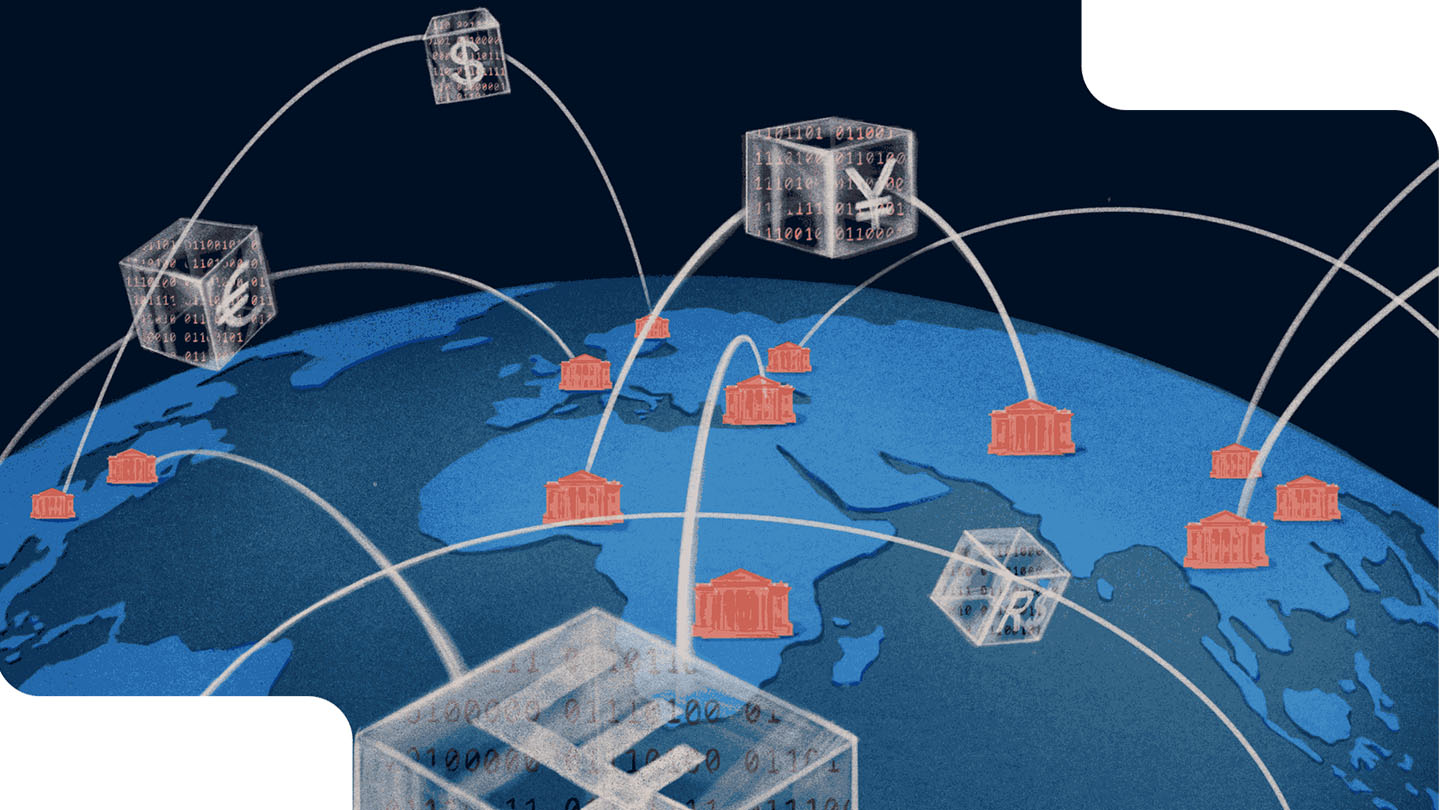
Onchain settlement removes the intermediary layers that cause these bottlenecks. By leveraging stablecoins like USDC, transactions settle in seconds rather than days. This shift transforms cross-border payments from a logistical hurdle into a real-time operational function, allowing businesses to maintain liquidity and transparency.
This speed advantage is critical in volatile markets. When exchange rates fluctuate or supply chains face sudden disruptions, the ability to move funds instantly provides a strategic buffer that legacy banking systems cannot match.
How SplitPay Onchain settles payouts
The core of SplitPay Onchain is its ability to replace slow banking rails with instant blockchain settlement. By linking your treasury or operational wallet directly to the platform, you gain immediate control over how funds are distributed across borders. This mechanism bypasses traditional correspondent banking networks, which often introduce delays and hidden fees.
The process begins with connecting your existing wallet. Once linked, the interface allows you to select the settlement currency, typically stablecoins like USDC, which are widely accepted and less volatile than native cryptocurrencies. This choice ensures that the value you send is the value your recipients receive, without the friction of currency conversion during transit.
Start by connecting your operational wallet to the SplitPay Onchain dashboard. This step establishes a secure, direct line to the blockchain, allowing you to initiate transactions without intermediaries. The connection is read-only by default for security, ensuring your funds remain safe until you explicitly authorize a payout.
Choose USDC or another supported stablecoin for your payout. Stablecoins provide a predictable value anchor, meaning your recipients in different countries receive the exact amount you intended, regardless of local currency fluctuations. This eliminates the need for complex forex hedging during the settlement phase.

Define how the total sum is divided. You can assign specific percentages or fixed amounts to multiple recipients in a single transaction. This is particularly useful for payroll, vendor payments, or revenue sharing, where multiple parties need to be paid simultaneously from a single source.
Review the details and confirm the transaction. The funds are distributed instantly on the blockchain, with receipts generated for all parties involved. This real-time settlement reduces the waiting period from days to seconds, improving cash flow for both senders and receivers.
The efficiency of this system is best understood through the lens of settlement latency. Traditional cross-border payments can take 3-5 business days to clear, whereas on-chain settlements occur in minutes. The following chart illustrates the volume trends for USDC, the primary settlement currency for SplitPay Onchain, highlighting its stability and widespread adoption in cross-border flows.
By leveraging these on-chain mechanisms, SplitPay Onchain transforms cross-border payouts from a logistical challenge into a streamlined, automated process. The combination of wallet integration, stablecoin selection, and automated splitting ensures that your international payments are fast, transparent, and cost-effective.
Creator payout workflows
SplitPay Onchain allows creators and agencies to divide a single transaction into multiple distinct payments automatically. Instead of waiting for manual bank transfers or relying on third-party payment processors, the platform uses smart contracts to execute split logic in real time. This means revenue from a single sale is instantly routed to the correct wallets for the creator, agency, and platform fees.
The system supports two primary distribution methods: fixed amounts or percentage-based splits. For example, a digital product sale can be configured to send 80% of the proceeds to the creator, 15% to an agency, and 5% to the platform fee wallet. This eliminates the need for end-of-month reconciliation and reduces the friction of cross-border payments, as settlements occur on-chain rather than through traditional banking rails.
| Method | Speed | Cost | Control |
|---|---|---|---|
| Traditional Payouts | 1-5 days | High fees | Low |
| SplitPay Onchain | Instant | Low (network fees) | High |
This automation is particularly valuable for agencies managing multiple talent. By defining the split ratios upfront in the contract, agencies ensure that every team member receives their share immediately upon sale. This transparency builds trust and removes the administrative burden of calculating commissions manually. For creators, this means faster access to their earnings and a more predictable cash flow, regardless of where their audience is located.
Fee reduction analysis
Cross-border payouts on traditional fiat rails often bleed value through hidden intermediary fees and unfavorable exchange spreads. By shifting to onchain infrastructure, businesses can bypass these legacy layers. The result is a transparent, predictable cost structure that scales with volume rather than punishing it.
Stablecoins like USDC provide the price stability needed for accurate financial planning. Unlike volatile cryptocurrencies, their value remains pegged to fiat currencies, ensuring that the amount sent is the amount received. This stability eliminates the risk of currency fluctuation during the settlement window, which is critical for maintaining margin integrity.
When compared to wire transfers and remittance services, onchain settlements typically cost a fraction of the price. Instead of paying fixed fees that can range from $15 to $50 per transaction, onchain costs are often pennies, regardless of the transfer size. This efficiency is particularly pronounced for high-frequency or high-value transactions, where cumulative fees on legacy rails can quickly erode profitability.
The cost advantage extends beyond direct transaction fees. Faster settlement times mean capital is not tied up in transit for days. This improved cash flow allows businesses to reinvest funds sooner, effectively reducing the opportunity cost of holding working capital in transit. For global teams and suppliers, this means faster access to funds and stronger financial relationships.
Integration checklist
Integrating SplitPay Onchain into your treasury stack requires aligning smart contract logic with your existing ERP or payment gateway. The platform enables you to divide a single transaction into multiple distinct payments, allowing you to assign specific percentages or fixed amounts to different beneficiaries. This capability is essential for automating complex cross-border payouts without manual reconciliation.
Before deploying to mainnet, verify that your treasury wallets support the required ERC-20 or native token standards. Ensure your internal accounting systems can ingest the on-chain settlement data for real-time reporting. This step eliminates the lag between payment initiation and ledger updates, reducing reconciliation overhead.
Test the integration in a sandbox environment first. Validate edge cases such as partial failures or network congestion to ensure your fallback mechanisms trigger correctly. Once stable, you can move to production, where real-time settlement reduces counterparty risk and improves cash flow visibility across borders.
No comments yet. Be the first to share your thoughts!