
Splitpay onchain choices that change the plan
Onchain settlement offers distinct advantages for cross-border payments, but it is not a universal replacement for traditional banking rails. The decision hinges on whether your priority is speed, cost, or regulatory compliance. Below is a direct comparison of how onchain mechanisms stack up against legacy SWIFT transfers, followed by specific use cases to guide your choice.
Feature Comparison
The following table highlights the core differences in how these systems handle liquidity and settlement. Note that onchain speeds depend heavily on network congestion and gas fees, which can fluctuate significantly.
| Feature | Onchain (Stablecoins) | Traditional SWIFT |
|---|---|---|
| Settlement Time | Seconds to minutes | 1-5 business days |
| Cross-Border Cost | Low (network gas + spread) | High (correspondent bank fees) |
| Liquidity | Real-time, on-demand | Pre-funded nostro/vostro accounts |
| Regulatory Oversight | Varies by jurisdiction | Centralized, highly regulated |
| Traceability | Public ledger (pseudonymous) | Private, bank-to-bank |
When to Use Onchain Settlements
Onchain rails shine in scenarios where time is the primary constraint. For businesses moving funds across borders urgently, the ability to settle in seconds rather than days eliminates the risk of market volatility during the waiting period. This is particularly valuable for freelancers, remote contractors, and small importers who cannot afford to have capital tied up for weeks.
Additionally, onchain payments reduce the friction of correspondent banking. Traditional cross-border transfers often involve multiple intermediary banks, each taking a cut and adding delays. By settling directly on a blockchain, you bypass these layers, resulting in more predictable costs and faster finality. This makes onchain ideal for high-volume, low-margin transactions where every second and basis point counts.
When to Stick with SWIFT
Despite the efficiencies of blockchain, traditional banking remains the safer bet for large institutional transfers and highly regulated industries. Banks offer established dispute resolution mechanisms, chargeback protections, and clear legal recourse in case of fraud or error. Onchain transactions are irreversible; if funds are sent to the wrong address or lost to a scam, there is no customer service hotline to call.
Compliance with anti-money laundering (AML) and know-your-customer (KYC) regulations is deeply embedded in the SWIFT network. For large enterprises dealing with complex tax jurisdictions or strict financial reporting requirements, the centralized oversight of traditional banking provides a level of certainty and auditability that decentralized systems still struggle to match. If your primary concern is regulatory safety and legal protection, SWIFT remains the standard.
Making the Decision
Choose onchain if you need speed, lower costs, and operate in a jurisdiction with clear crypto regulations. Stick with SWIFT if you handle large sums, require dispute resolution, or operate in highly regulated sectors where compliance is non-negotiable. Many modern financial operations use a hybrid approach, leveraging onchain for speed and SWIFT for stability.
Where each option wins
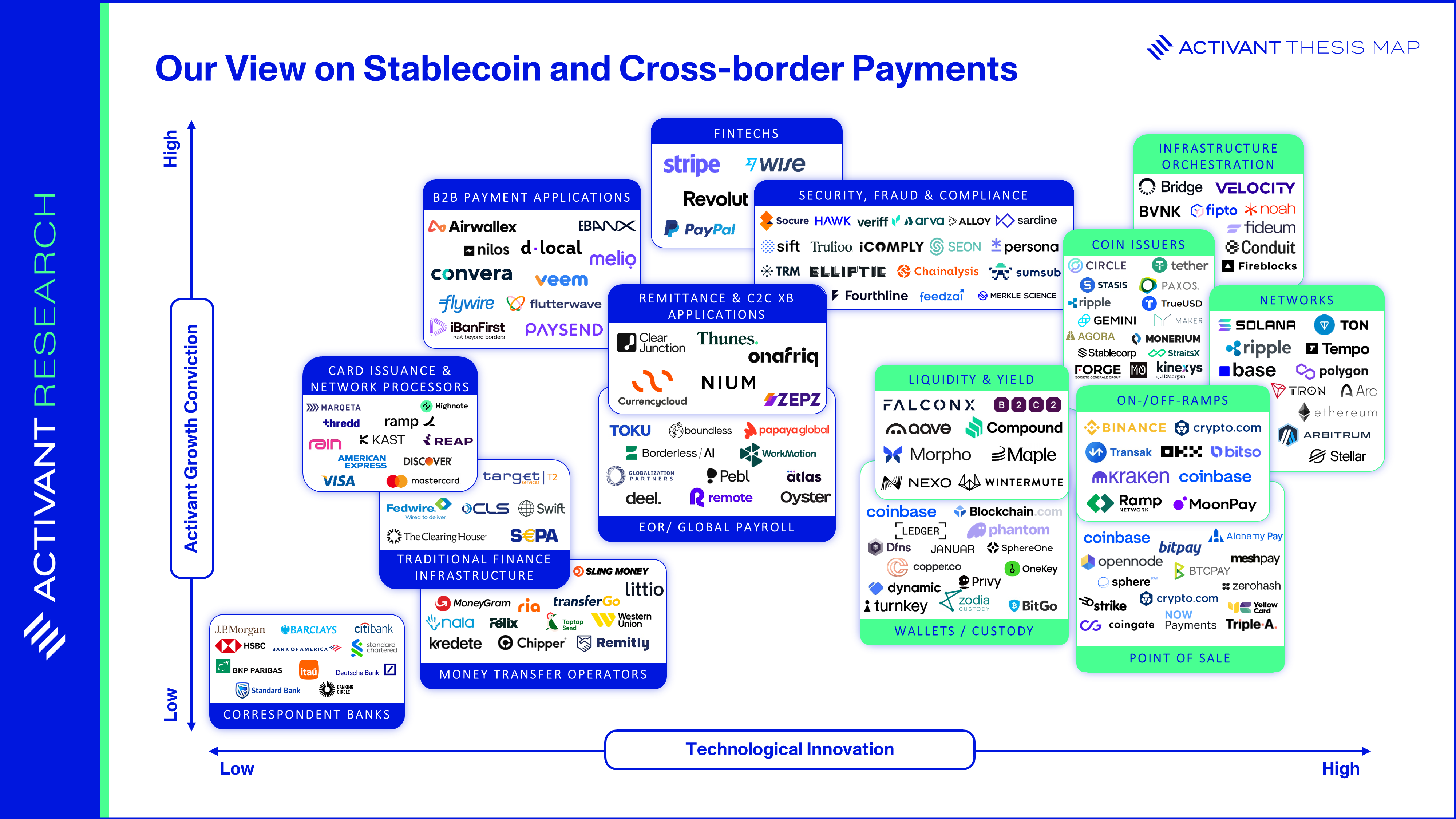
Choosing between SplitPay onchain settlements and traditional SWIFT networks depends on your specific operational needs. Neither system is universally superior; they serve different financial rhythms. Understanding where each excels helps you avoid paying for features you don’t need or missing out on critical efficiency gains.
High-Volume, Time-Sensitive Payments
SplitPay onchain infrastructure excels when speed and volume are paramount. For businesses processing hundreds of micro-transactions daily, such as cross-border e-commerce payouts or remittance services, onchain settlement offers near-instant finality. The liquidity is real-time, meaning funds are available immediately upon confirmation, rather than waiting days for correspondent bank clearance. This reduces working capital lock-up and improves cash flow predictability.
Regulatory-Heavy, Large-Scale Transfers
Traditional SWIFT remains the standard for large-scale institutional transfers, particularly those involving regulated industries or jurisdictions with strict compliance requirements. For single transactions exceeding millions of dollars, or those requiring extensive audit trails and intermediary bank coordination, SWIFT’s established infrastructure provides a familiar, legally recognized framework. It is less about speed and more about institutional trust and regulatory compatibility.
Hybrid Use Cases
Many global enterprises now operate a hybrid model. They use onchain solutions for routine, high-frequency operational expenses while retaining SWIFT for major capital movements, M&A transactions, or payments to regions where onchain adoption is still nascent. This approach balances efficiency with compliance, ensuring that liquidity is optimized without sacrificing regulatory safety.
Details Worth Checking
Before committing to SplitPay Onchain for cross-border settlements, verify the specific mechanics that differentiate on-chain liquidity from traditional SWIFT rails. While the platform promises real-time settlement, the actual experience depends on several operational variables that can impact cash flow and compliance. The following checklist outlines the critical exclusions and risks you must audit before integration.
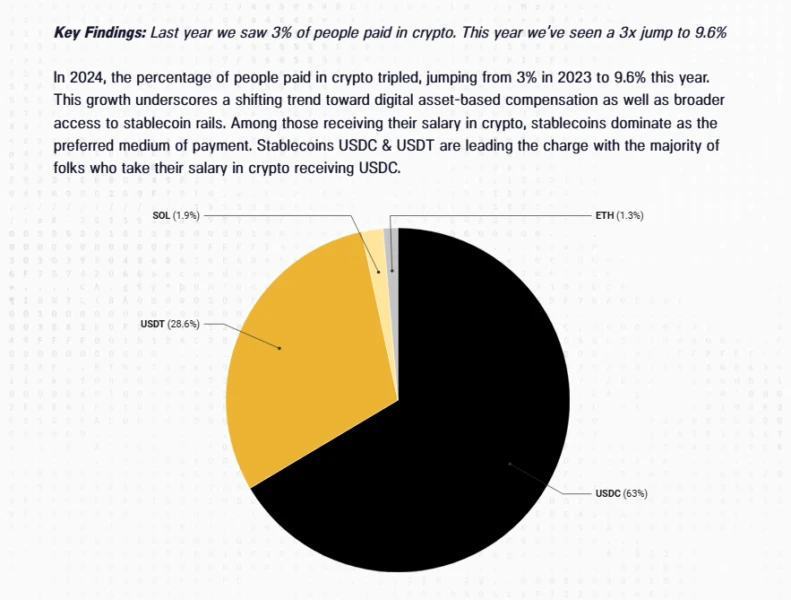
Not all stablecoins offer equal liquidity or slippage protection. Confirm which specific pairs (e.g., USDC, USDT) are supported for your target corridors and whether the platform guarantees fixed-rate execution during high-volatility windows. Insufficient depth can lead to unfavorable exchange rates that erode margins faster than traditional bank fees.

On-chain settlement does not bypass regulatory scrutiny. Check the specific countries excluded from service due to sanctions or local banking laws. Additionally, verify if transaction amounts trigger enhanced due diligence or manual review, which can delay the "real-time" settlement promise during peak compliance checks.
Understand who absorbs network gas fees during congestion. Some platforms pass variable costs directly to the user, while others cap them. Clarify if fees are deducted from the principal amount or billed separately, as this affects the final net settlement value for your recipients.
On-chain transactions are final. Ensure you understand the platform’s policy on error handling, such as sending to incorrect addresses or double payments. Unlike traditional banking, there is no central authority to reverse a transaction, so verify if the platform offers any insurance or recovery mechanisms for user error.
Splitpay onchain: what to check next
Before integrating SplitPay Onchain, verify your specific operational requirements against the platform's capabilities. This final checklist ensures you are prepared for the technical and regulatory realities of on-chain settlement.
No comments yet. Be the first to share your thoughts!