
How SplitPay Onchain works
SplitPay Onchain replaces traditional banking rails with direct blockchain settlement. When a user initiates a split payment, the protocol utilizes smart contracts to hold funds in escrow until specific conditions are met. This mechanism ensures that multiple recipients receive their shares instantly, eliminating the multi-day delays inherent in legacy ACH or wire transfers.
The process begins when the payer deposits the total amount into a secure on-chain vault. The smart contract automatically calculates the distribution ratios and releases funds to each recipient’s wallet simultaneously. This approach minimizes friction and improves transparency, as every transaction is recorded on the public ledger for immediate verification.

By leveraging on-chain crypto infrastructure, SplitPay Onchain simplifies complex payment flows. Businesses and individuals can settle invoices, split shared expenses, or distribute revenues without relying on intermediary banks. The result is a faster, more reliable payment experience that aligns with the speed of digital commerce.
Set up your split contract
Configuring a split payment contract on SplitPay Onchain requires precise parameter definition. Unlike traditional payment processors that rely on opaque ledger entries, on-chain splits are governed by immutable smart contracts. This approach ensures that every participant receives their designated share instantly upon transaction settlement, removing the need for reconciliation or manual payouts.
The setup process involves defining the revenue streams, allocating percentages to each participant, and deploying the contract to the target blockchain network. Accuracy in these initial steps is critical, as contract parameters cannot be altered once deployed without a complex migration process. Follow the workflow below to configure your split contract correctly.

Begin by identifying all entities involved in the revenue stream. Assign each participant a unique wallet address and a specific percentage share of the incoming funds. Ensure that the total allocation sums to exactly 100%. SplitPay Onchain supports multi-party splits, allowing you to distribute revenue among creators, platforms, and service providers simultaneously. Verify that each wallet address is correct to prevent permanent loss of funds.

Determine the specific events that trigger a split. You can set the contract to activate on every incoming transaction, or define specific thresholds that must be met before distribution occurs. For example, you might configure the contract to split payments only after a certain volume is reached, or to hold a reserve percentage for future operational costs. These conditions are encoded directly into the smart contract logic, ensuring automatic enforcement without third-party intervention.
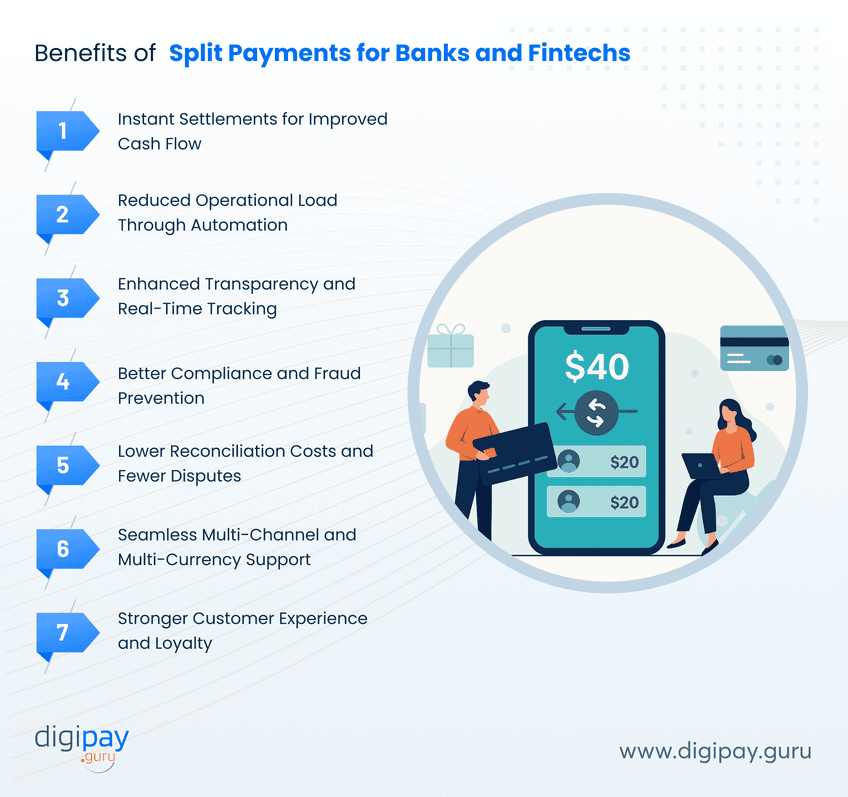
Once all parameters are defined, initiate the deployment process through the SplitPay Onchain dashboard. The system will generate the necessary bytecode and submit the transaction to the network. Monitor the deployment status until the contract address is confirmed on-chain. This address serves as the unique identifier for your split contract and will be used to route incoming payments. Record this address securely for integration with your payment gateway or dApp.
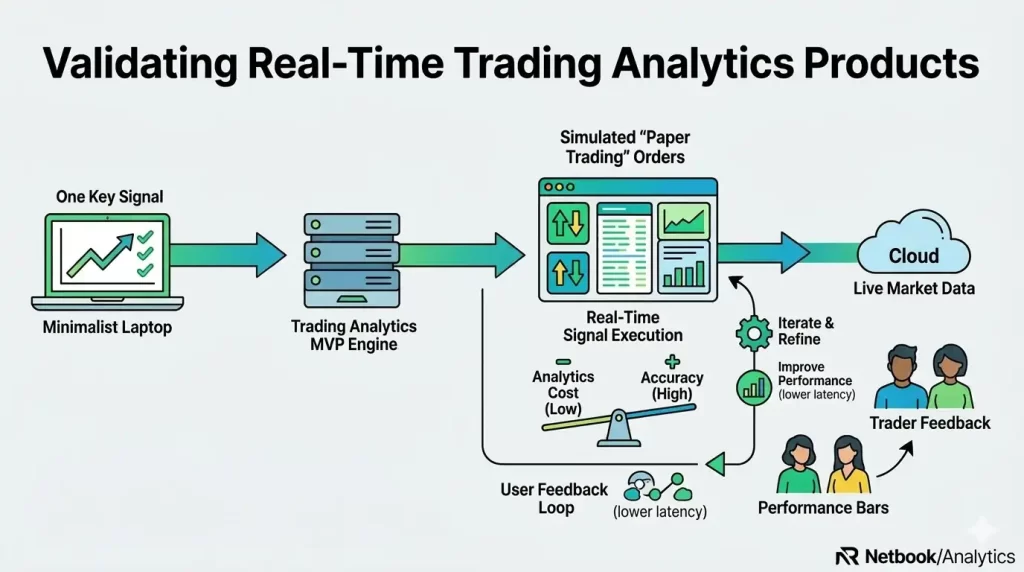
Before routing live revenue, conduct a comprehensive test using small, non-critical transactions. Send test payments to your contract address to verify that the splits execute according to your defined parameters. Check that each participant’s wallet receives the correct amount instantly. This step is essential for identifying any configuration errors or gas limit issues before committing real funds. Only after successful test validation should you activate the contract for live operations.
Proper configuration of your SplitPay Onchain split contract eliminates administrative overhead and reduces the risk of payment disputes. By automating the distribution process, you ensure transparency and trust among all stakeholders. Regularly review your contract performance and adjust allocations as your business model evolves.
Calculate your settlement costs
Understanding the true cost of on-chain transactions requires looking beyond the transaction amount. When using SplitPay Onchain, your total expense consists of two distinct components: the network gas fee paid to validators and the platform fee charged for processing. While network fees fluctuate based on blockchain congestion, SplitPay Onchain provides a predictable platform fee structure to help you forecast expenses accurately.
The following calculator estimates your total settlement cost. Enter your transaction amount to see a breakdown of the network fee (estimated at current average gas rates) and the SplitPay Onchain platform fee (estimated at 0.5%). Note that actual network fees may vary slightly depending on real-time blockchain conditions.
On-chain vs. traditional payouts
Choosing between SplitPay Onchain and traditional banking rails comes down to speed, cost, and transparency. Legacy systems like ACH and wire transfers were built for a slower era of finance, often creating friction for creators who need instant access to their earnings. SplitPay Onchain removes these bottlenecks by leveraging blockchain infrastructure to settle transactions directly.
The table below breaks down the key differences in settlement times, fees, and accessibility. While traditional banks rely on intermediary networks that can delay funds for days, on-chain settlements occur in minutes, providing immediate liquidity for creators and businesses alike.
| Feature | SplitPay Onchain | Traditional Bank Transfer |
|---|---|---|
| Settlement Time | Minutes | 1-3 Business Days |
| Transaction Fees | Low network gas fees | Higher bank fees ($15-$50+) |
| Availability | 24/7/365 | Business hours only |
| Transparency | Real-time ledger tracking | Delayed status updates |
For creators, this shift means less waiting and more earning. According to industry analysis from Stripe, on-chain crypto payments simplify the process by minimizing friction and improving transparency compared to legacy rails. This efficiency allows creators to focus on their content rather than chasing payments.
Common Setup Mistakes to Avoid
Deploying a SplitPay Onchain contract requires precision. One misconfigured parameter can halt settlements or send funds to the wrong recipient. Review these critical pitfalls before you go live.
Incorrect Recipient Addresses
The most frequent error is entering a wallet address with a single typo. Blockchain transactions are irreversible; there is no "undo" button for a misdirected split. Always verify the full checksummed address against your internal records. A mismatched recipient means the split logic executes correctly, but the funds disappear into the void.
Mismatched Percentage Totals
SplitPay Onchain expects the sum of all recipient percentages to equal exactly 100%. If your contract defines splits as 40%, 30%, and 20%, the total is 90%. The remaining 10% often gets trapped in the contract or burned, depending on your implementation. Double-check your arithmetic. A simple sum check prevents stuck funds and audit failures.
Ignoring gas limit limits to account for
Complex split logic consumes more gas than simple transfers. If you set a gas limit too low, the transaction will revert, and you will lose the gas fees paid for the attempt. Ensure your gas limit accounts for the number of recipients and the complexity of the distribution logic. This prevents failed deployments and unnecessary costs.
Frequently asked: what to check next
How fast are SplitPay Onchain settlements?
Settlements on SplitPay Onchain are near-instant. Unlike traditional banking rails that may take several business days to clear, blockchain transactions confirm within minutes. This speed ensures that your payment split is recorded and finalized without delay, providing immediate certainty for all parties involved.
What fees does SplitPay Onchain charge?
SplitPay Onchain charges a transparent, flat fee per transaction. There are no hidden monthly subscriptions or interest charges on the split amounts. The fee is deducted at the source before the funds are distributed, so you always know exactly what you will pay before confirming the transaction.
Which blockchains does SplitPay Onchain support?
SplitPay Onchain currently supports major networks including Ethereum and Polygon. We prioritize networks that offer low gas fees and high throughput to ensure your transactions remain cost-effective. Check the official dashboard for the most up-to-date list of supported networks.
Is SplitPay Onchain compliant with financial regulations?
Yes. SplitPay Onchain operates in strict adherence to applicable financial regulations. We implement robust KYC (Know Your Customer) and AML (Anti-Money Laundering) protocols to ensure all transactions are legitimate. For detailed compliance documentation, please refer to our official legal resources.
Can I split payments across multiple recipients?
Yes. SplitPay Onchain allows you to divide a single transaction into multiple distinct payments. You can assign specific percentages or fixed amounts to each recipient. This feature is ideal for group expenses or complex business disbursements where multiple parties need to be paid simultaneously.
No comments yet. Be the first to share your thoughts!