
The shift to onchain revenue splitting
The traditional model for creator payouts is built on friction. Payment gateways and banks operate on batched settlement cycles, holding funds for two to seven days before they reach the recipient. For solo creators, this delay is an inconvenience. For teams managing co-founders, editors, and collaborators, it creates a significant administrative burden. Every payout requires manual reconciliation, invoice chasing, and the risk of human error in calculating shares.
Onchain revenue splitting removes this latency by moving settlements to the blockchain. Instead of waiting for a bank clearinghouse, revenue is divided and distributed in real time as it enters the wallet. This shift transforms cash flow from a periodic event into a continuous stream. Creators and their teams receive their exact share instantly, improving liquidity and reducing the overhead of financial management.
This efficiency is particularly valuable in the creator economy, where margins are tight and collaboration is the norm. By automating the split logic at the smart contract level, platforms and independent creators can focus on production rather than accounting. The result is a more transparent and agile financial infrastructure that scales with the speed of digital content creation.
| SplitPay Onchain |
|---|
How SplitPay Onchain routing works
SplitPay Onchain eliminates the friction of post-payment reconciliation by moving revenue distribution from a manual accounting task to an automated smart contract execution. When a patron sends a payment, the funds do not land in a single creator’s wallet and wait for a monthly payout cycle. Instead, the transaction interacts with a routing contract that calculates each beneficiary’s share instantly.
The mechanism relies on pre-configured split ratios embedded in the smart contract. These ratios define the percentage of revenue allocated to the creator, collaborators, platform fees, or other stakeholders. Because the logic is on-chain, the calculation happens in the same block as the incoming transaction. This ensures that every dollar is distributed immediately, removing the risk of misallocation or delayed payments that often plague traditional payment processors.
By handling the splitting logic at the settlement layer, the system removes the need for off-chain spreadsheets or third-party invoicing tools. The creator receives a single payment address, but the underlying contract manages the complex web of beneficiaries. This architecture is particularly valuable for creator collectives or multi-person projects where transparency and instant settlement are priorities.
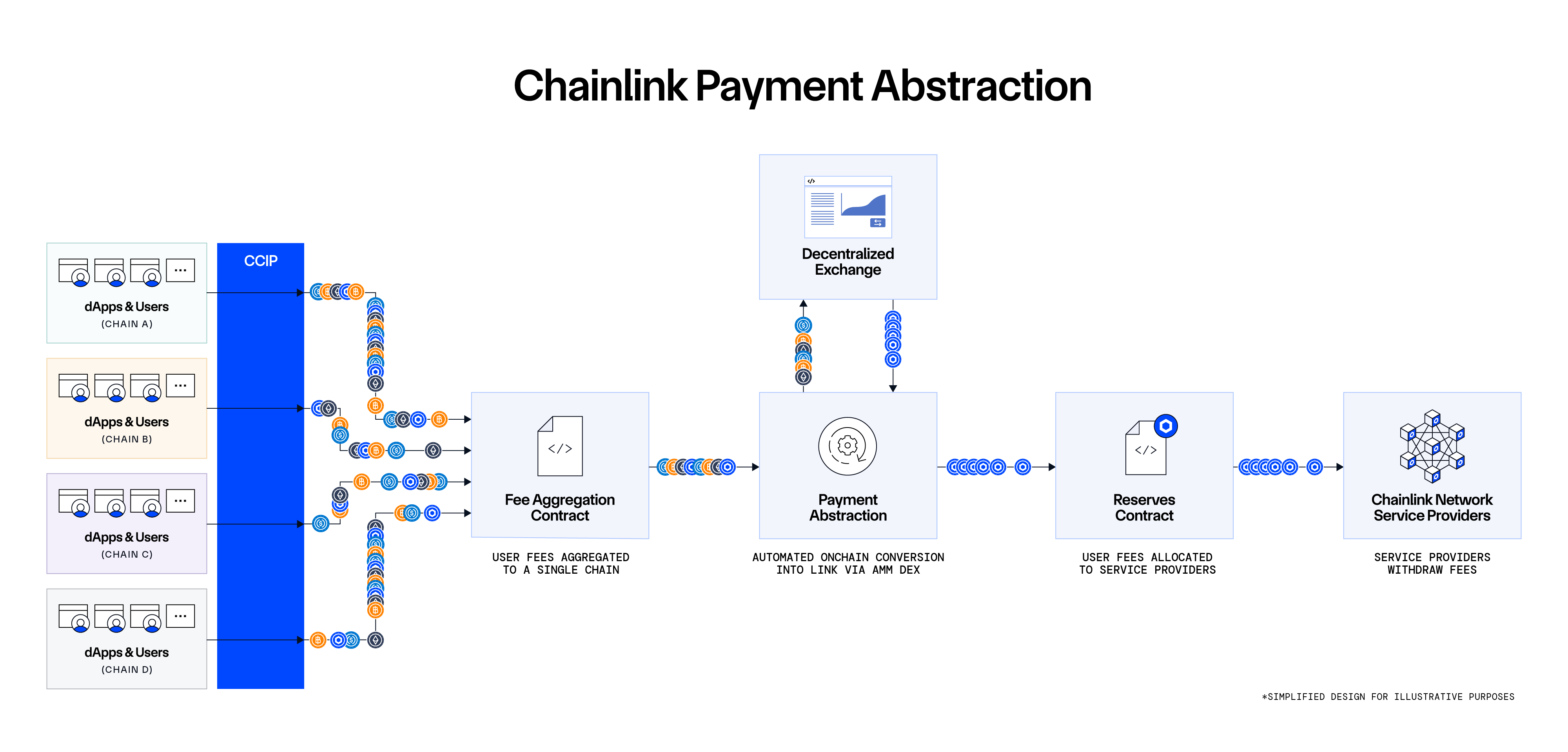
This approach also reduces the operational overhead for creators. There is no need to manually calculate percentages, issue invoices, or chase down late payments. The smart contract enforces the agreement automatically, providing a clear, auditable record of every transaction and its distribution. This level of automation is essential for scaling creator economies where transaction volume and participant count can grow rapidly.
Cost comparison with legacy gateways
The traditional payment infrastructure operates on a model that extracts a fixed percentage from every transaction, regardless of the creator’s profit margin. Stripe and PayPal typically charge 2.9% plus $0.30 per successful card charge. For a $10 digital download, the fee is $0.59. For a $1,000 course, the fee jumps to $29.30. This percentage-based drag compounds quickly, eroding the net revenue that actually reaches the creator’s bank account.
SplitPay Onchain shifts this dynamic by leveraging blockchain technology to bypass the traditional banking rails. Instead of paying a percentage of the gross revenue, costs are primarily driven by network gas fees and the protocol’s fixed service fee. While gas prices fluctuate based on network congestion, the absence of a percentage-based merchant discount rate means that high-value transactions do not incur disproportionately high fees. This structural difference is critical for creators selling high-ticket items or operating on thin margins.
The following comparison highlights the stark contrast in fee structures, settlement times, and operational requirements between traditional processors and SplitPay Onchain.
| Feature | Stripe / PayPal | SplitPay Onchain |
|---|---|---|
| Primary Fee | 2.9% + $0.30 | Network gas + small protocol fee |
| Settlement Time | 2-7 business days | Near-instant (on-chain) |
| Cross-Border Fees | Additional % or FX markup | Standard network gas only |
| Payout Thresholds | $20-$100 minimum | No minimum threshold |
| Account Freezes | Common for risk flags | Permissionless access |
The financial implications of these differences extend beyond simple arithmetic. Traditional gateways act as intermediaries that hold funds and assess risk post-transaction, often resulting in delayed payouts and potential account restrictions. SplitPay Onchain’s permissionless nature ensures that revenue is distributed automatically and immediately upon transaction confirmation, removing the risk of frozen funds or delayed settlements. This immediacy allows creators to reinvest capital faster and maintain healthier cash flow.
For creators relying on digital products, subscriptions, or high-volume low-ticket items, the cumulative effect of legacy fees can be significant. By moving to an onchain model, the cost structure becomes more predictable and scalable. The fixed nature of protocol fees means that as revenue grows, the percentage of income lost to payment processing drops dramatically, preserving more of the hard-earned revenue for the creator.
Use cases for creator teams and agencies
SplitPay Onchain moves beyond simple affiliate links to handle the operational complexity of multi-party content collaborations. When a video production involves a host, editor, scriptwriter, and distribution partner, traditional payout structures often lag behind revenue generation. This tool automates the distribution of income in real time, ensuring each contributor receives their agreed percentage immediately upon receipt of funds. The smart contract handles the arithmetic, reducing administrative friction and the risk of manual payment errors.
For agencies managing multiple clients or brand deals, the platform provides a transparent ledger for every transaction. Instead of reconciling spreadsheets after the fact, agencies can track revenue flows directly on-chain. This visibility is critical for maintaining trust with talent and clients, as every split is executed according to the pre-defined smart contract terms. The system scales with the team, allowing for complex revenue-sharing models without requiring additional accounting overhead.
Subscription-based creators also benefit from the automated splitting mechanism. When a subscriber pays a monthly fee, the platform instantly distributes the revenue among the core team members according to their ownership stakes or performance metrics. This eliminates the need for monthly invoicing and payment processing delays, keeping cash flow consistent for all participants. The result is a streamlined financial infrastructure that supports the dynamic nature of digital content creation.
No comments yet. Be the first to share your thoughts!