
What SplitPay Onchain Actually Does
SplitPay Onchain is an infrastructure layer designed for automated, on-chain revenue distribution. It targets creators, agencies, and teams who need to split income across multiple wallets in real time. The platform operates as a backend utility rather than a consumer-facing application. It is important to distinguish this B2B tool from consumer rent-splitting apps that share the same name. Those consumer applications focus on household expense management, whereas SplitPay Onchain handles complex, multi-party profit sharing for digital businesses.
The core function relies on smart contracts to execute splits instantly. When a payment arrives, the protocol distributes the funds according to predefined ratios without manual intervention. This eliminates the delay and administrative overhead of traditional banking transfers. For creators working with managers, collaborators, or investors, this ensures that everyone receives their share immediately upon receipt of revenue.
This approach removes the need for manual reconciliation or third-party escrow services. The system is built to handle high-volume transactions with minimal friction. By embedding the split logic directly into the payment flow, SplitPay Onchain provides transparency and speed that traditional payment processors often struggle to match for complex team structures.
How Onchain Revenue Splitting Works
SplitPay Onchain automates the distribution of digital assets without relying on traditional banking rails or manual transfer processes. Unlike consumer "split pay" applications designed for splitting rent or dinner bills, this protocol operates on public blockchains to handle real-time revenue sharing for creators and teams. Funds are not held in a central escrow; instead, they flow directly into a smart contract that executes predefined percentage allocations the moment a transaction settles.
The mechanism begins when a patron or buyer sends cryptocurrency to a designated payment address. This action triggers the underlying smart contract, which acts as an immutable ledger. The contract immediately calculates the share owed to each registered wallet address based on the pre-configured split ratios. There is no waiting period for batch processing or manual approval. The distribution happens atomically, meaning the entire split occurs in a single transaction block, ensuring that every participant receives their exact portion simultaneously.
Once the funds are allocated, the on-chain ledger updates in real time, providing transparent proof of payment for all parties involved. This structure eliminates the need for intermediaries, reducing fees and removing the risk of delayed payouts. For high-stakes creator economies, this means revenue is accessible instantly, with the blockchain serving as the sole source of truth for who earned what and when.
A buyer sends cryptocurrency to the designated wallet address. This initial transaction initiates the entire revenue sharing process, marking the entry point for funds into the ecosystem.

The smart contract automatically detects the incoming transaction. It validates the amount and references the pre-programmed split rules to determine the exact percentage owed to each team member or partner.

The contract executes the distribution atomically. Funds are transferred from the main pool to the individual wallet addresses of all stakeholders in a single, instantaneous block confirmation.

The blockchain ledger is updated to reflect the new balances. This provides an immutable, transparent record of the transaction, allowing all parties to verify their earnings without relying on third-party statements.
Payout Calculator and Fee Breakdown
Understanding the true cost of real-time revenue sharing requires looking beyond the headline split percentage. SplitPay Onchain operates on Layer 2 networks, meaning transaction costs are significantly lower than Ethereum mainnet but still present. For creators managing tight margins, these gas fees and platform costs can erode net income if not accounted for upfront.
Use the calculator below to estimate your net payout after accounting for estimated network gas fees and the platform’s service fee. This tool helps distinguish SplitPay Onchain from consumer-focused "split pay" rent apps, which often bundle fees differently or rely on traditional banking rails with higher friction.
How the Fees Work
The platform typically charges a small percentage per transaction for its smart contract infrastructure. Combined with the variable gas fees of the underlying blockchain, the total cost of payout varies with network congestion. The calculator above uses a default gas estimate; for high-volume creators, tracking actual on-chain gas costs provides a more accurate picture of long-term profitability.
Why This Matters for High-Stakes Decisions
Unlike traditional payment processors that hold funds in escrow for days, SplitPay Onchain settles instantly. However, the transparency of on-chain fees means you pay exactly what the network demands. This clarity is vital for creators who need predictable cash flow. Always verify current gas prices on your chosen network before relying on the calculator’s default estimate for precise budgeting.
SplitPay Onchain vs. Traditional Payouts
Choosing how to pay creators and partners requires balancing speed, cost, and administrative overhead. Traditional fiat processors like Stripe Connect rely on banking rails that introduce delays and hidden fees. SplitPay Onchain uses smart contracts to automate these splits, offering a different set of trade-offs for high-stakes revenue sharing.
Speed and Settlement
Traditional payment processors typically settle funds in T+2 or T+7 business days. This lag is caused by intermediary banks and compliance checks. SplitPay Onchain settles transactions instantly on-chain. Creators receive their share the moment the revenue event occurs, regardless of weekends or holidays.
Transparency and Fees
Fiat processors charge a base percentage plus fixed per-transaction fees. These costs can eat into small payouts. On-chain splits rely on gas fees, which vary by network but are often lower for micro-transactions. More importantly, the split logic is visible in the smart contract. You can audit exactly how much each recipient receives without waiting for a monthly statement.
Administrative Overhead
Managing traditional payouts requires reconciling bank statements and handling tax forms manually. SplitPay Onchain automates the distribution. The code executes the split, reducing the need for accounting reconciliation. This is particularly valuable for teams with global contributors who face cross-border banking restrictions.
| Feature | SplitPay Onchain | Traditional Processor |
|---|---|---|
| Settlement Time | Instant (On-chain) | T+2 to T+7 days |
| Visibility | Transparent Smart Contract | Black Box Statement |
| Global Access | No Bank Account Needed | Requires Local Banking |
| Cost Structure | Gas Fees + Protocol Fee | % + Fixed Fee |
| Automation | Code-Executed Splits | Manual or API Reconciliation |
Configure Beneficiaries and Percentages
Setting up a split contract requires defining the exact distribution of revenue among participants. Unlike consumer rent-splitting apps, SplitPay Onchain operates as a smart contract that enforces these rules immutably on the blockchain. This ensures that creators and collaborators receive their agreed-upon shares automatically, without manual intervention or intermediary delays.
Begin by identifying all beneficiaries who will receive payouts from the contract. Each beneficiary is assigned a specific wallet address and a percentage weight. The sum of all percentage weights must equal 100%. For example, if a project involves a writer, an editor, and a designer, you might assign 50%, 25%, and 25% respectively. This configuration is critical because it determines the real-time allocation of every incoming transaction.
Once the beneficiaries and their respective percentages are defined, the contract is ready for deployment. The system calculates the precise split logic based on these inputs. When revenue enters the contract, the smart contract instantly routes the funds to each wallet according to the pre-set percentages. This process eliminates the need for reconciliation and reduces the risk of payment disputes, providing a transparent and auditable financial structure for creator collaborations.
Enter the Ethereum or compatible blockchain wallet addresses for each creator or collaborator. Ensure each address is correct, as transactions on the blockchain are irreversible. Double-check the recipient details to prevent funds from being sent to incorrect addresses.
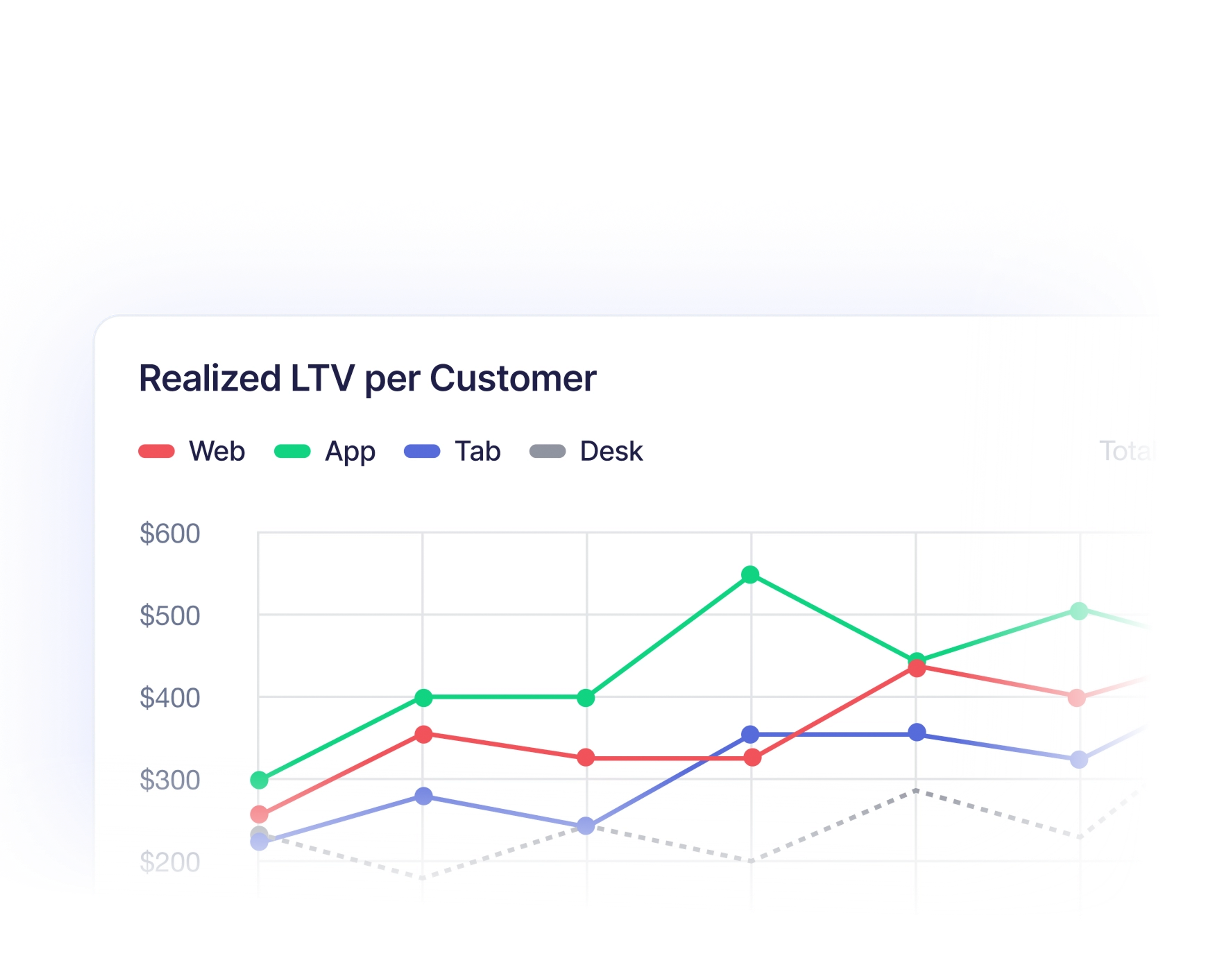
Allocate a percentage share to each beneficiary. The total of all assigned percentages must equal exactly 100%. This step defines the proportional revenue split, ensuring that each participant receives their fair share of incoming payments automatically.
Review the configuration and submit the transaction to deploy the contract on the blockchain. Once deployed, the contract becomes immutable and active. Any revenue directed to the contract address will be instantly split and distributed to the designated wallets based on the defined percentages.
Common Questions About Onchain Splits
On-chain revenue sharing introduces specific operational nuances that differ significantly from traditional payment rails or consumer rental apps. Understanding liquidity, reversibility, and tax implications is essential for creators managing high-stakes income streams.
No comments yet. Be the first to share your thoughts!