

In the bustling creator economy of Web3, NFT creators often juggle collaborations with artists, developers, and even charities, all vying for their share of revenue. Enter on-chain split contracts, smart contracts that automate NFT creator payouts with precision and transparency. Deployed on networks like Ethereum, currently trading at $2,280.38 with a 24-hour change of and $183.28, these tools eliminate manual distributions, ensuring every stakeholder gets paid instantly upon sales or resales.
Decoding the Mechanics of Split Contracts
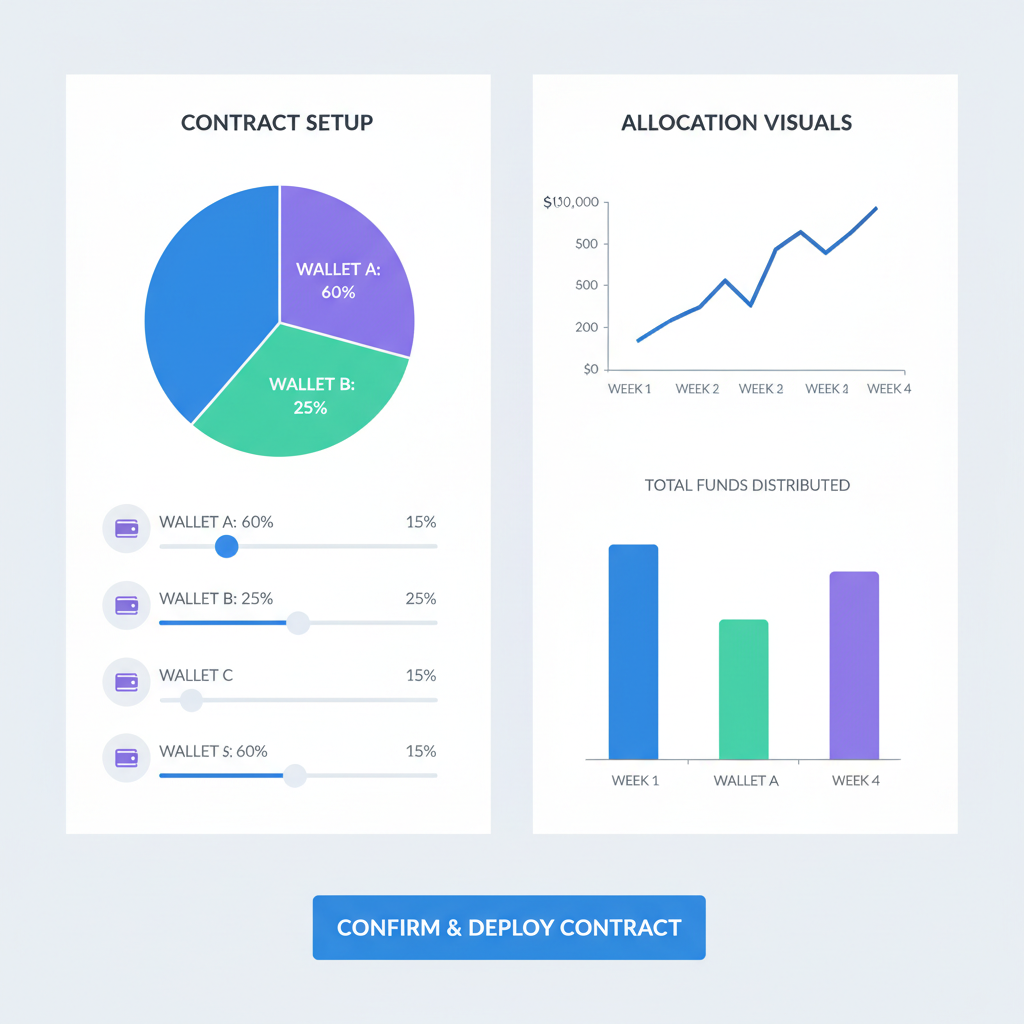
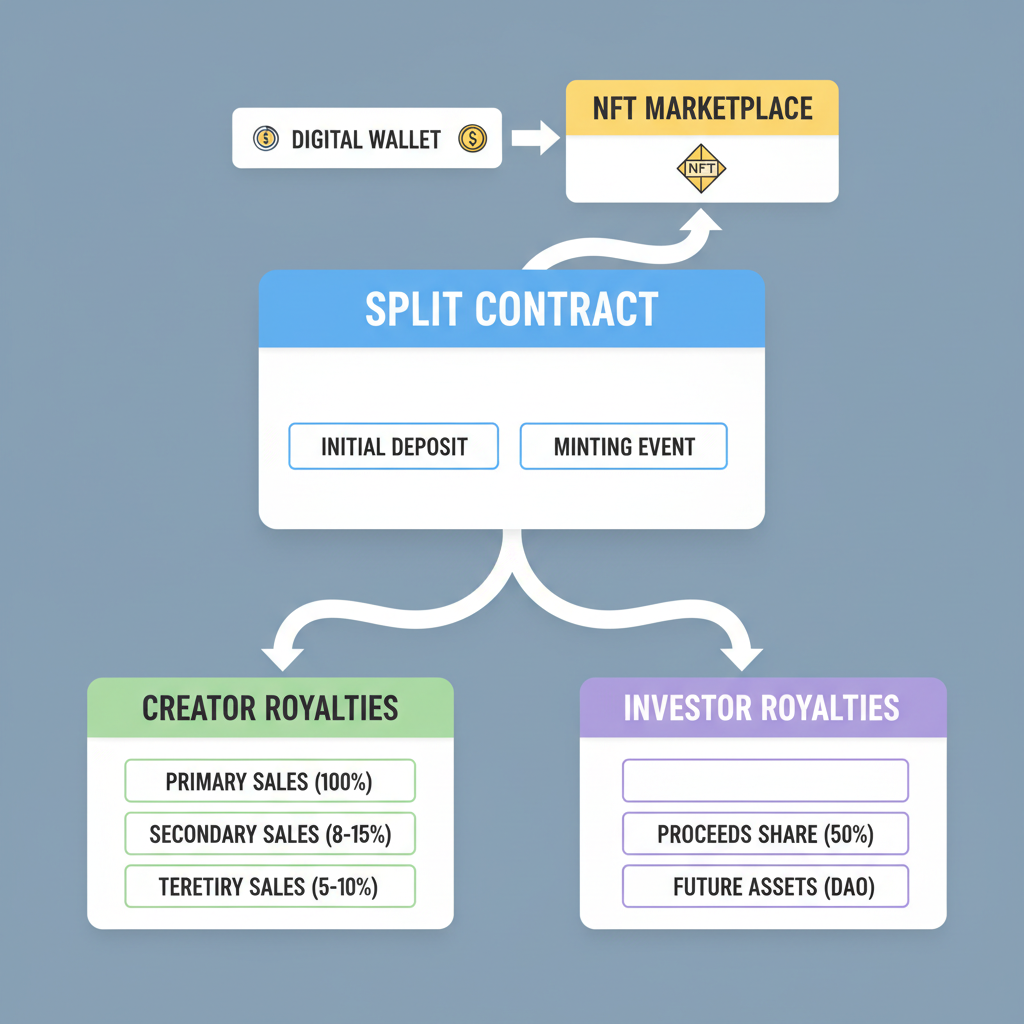
Split contracts function as programmable treasuries. When an NFT sells, whether primary mint or secondary resale, incoming Ether triggers the contract to divvy up funds according to preset percentages. Picture a collection where 40% goes to the artist, 30% to developers, 20% to the project lead, and 10% to a charity wallet; the blockchain enforces this without intermediaries.
This isn't mere theory. Platforms like Thirdweb simplify deployment across Ethereum and Polygon, letting creators input recipient addresses and shares via intuitive dashboards. GitHub repos, such as nftmakerio's Smart-Contract-Revenue-Sharing, even compile splits with address-percentage pairs at launch. The result? Immutable rules that foster trust in blockchain revenue sharing.
Revenues from NFT collections can be split between project creators, developers, artists, charities, or any other stakeholders, all on-chain.
Real-World Wins: From Small Teams to Massive Distributions
Foundation's Splits feature stands out for its perpetuity clause: once set for up to three recipients, earnings from primary and secondary sales flow endlessly, unalterable. This permanence appeals to long-term collaborators wary of rug pulls.
Scale up to Reveel's feat, the largest on-chain revenue split to 159 wallets, blending collectors, collaborators, and causes. Such Web3 mass payouts prove these contracts handle volume without breaking a sweat, a boon for DAOs and marketplaces.
Thirdweb's tutorials demonstrate splitting deployment fees effortlessly, while vocal. media outlines future integrations where smart contracts become standard for any revenue stream. Even Reddit threads buzz with creators seeking ways to automate dual-wallet royalties, underscoring grassroots demand.
Why Automation Trumps Traditional Payouts
Manual splits breed errors, delays, and disputes; blockchain flips the script. Transparency shines as every transaction etches into the public ledger, auditable by all. Automation kicks in at sale completion, slashing admin time; scalability accommodates hundreds of payees, vital for viral NFT drops.
Ethereum (ETH) Price Prediction 2027-2032
Forecasts contextualized by rising NFT network activity from on-chain split contracts, automating revenue sharing and boosting transaction volumes/gas fees
| Year | Minimum Price | Average Price | Maximum Price | YoY % Change (Avg from Prior Year) |
|---|---|---|---|---|
| 2027 | $2,000 | $3,200 | $4,800 | +40% |
| 2028 | $2,200 | $3,500 | $5,200 | +9% |
| 2029 | $2,800 | $4,500 | $7,000 | +29% |
| 2030 | $3,500 | $6,000 | $9,500 | +33% |
| 2031 | $4,200 | $7,500 | $12,000 | +25% |
| 2032 | $5,000 | $9,000 | $15,000 | +20% |
Price Prediction Summary
Ethereum's price is projected to grow steadily from $3,200 in 2027 to $9,000 by 2032, fueled by NFT ecosystem expansion via on-chain split contracts increasing tx activity, ETH burns, and layer-1 demand, amid market cycles and upgrades.
Key Factors Affecting Ethereum Price
- Heightened NFT transaction volumes from automated revenue splits, driving gas fees and EIP-1559 burns
- Ethereum scalability upgrades (e.g., Dencun effects persisting) reducing costs while maintaining base-layer security
- Regulatory support for on-chain royalties and smart contracts enhancing creator adoption
- Competition from L2s/Polygon/Solana potentially capping upside but improving overall ecosystem liquidity
- Macro cycles: Bull runs in 2029-2030 post-bear consolidation, with NFT utility as key differentiator
- Institutional adoption and DeFi/NFT synergies pushing market cap toward $1T+ by 2032
Disclaimer: Cryptocurrency price predictions are speculative and based on current market analysis. Actual prices may vary significantly due to market volatility, regulatory changes, and other factors. Always do your own research before making investment decisions.
Gas fees pose a hurdle, especially on Ethereum amid its $2,280.38 price stability, but Layer 2s like Polygon mitigate this. Immutability demands foresight, yet it cements commitment. For creators scaling creator revenue splits at scale, these trade-offs pale against the efficiency gains.
NFT royalties, once optional, now enforce on platforms like OpenSea for new collections, amplifying split potential. As Ethereum hovers with a 24-hour high of $2,302.97, low network congestion favors deploying complex contracts without prohibitive costs.
Creators eyeing these efficiencies should prioritize platforms built for scale. At SplitPayOnChain. com, we specialize in on-chain split contracts that power NFT creator payouts for everything from boutique drops to marketplace-wide distributions. Our system deploys in minutes, supporting unlimited recipients with zero downtime.
Step-by-Step: Deploying Your First Split Contract
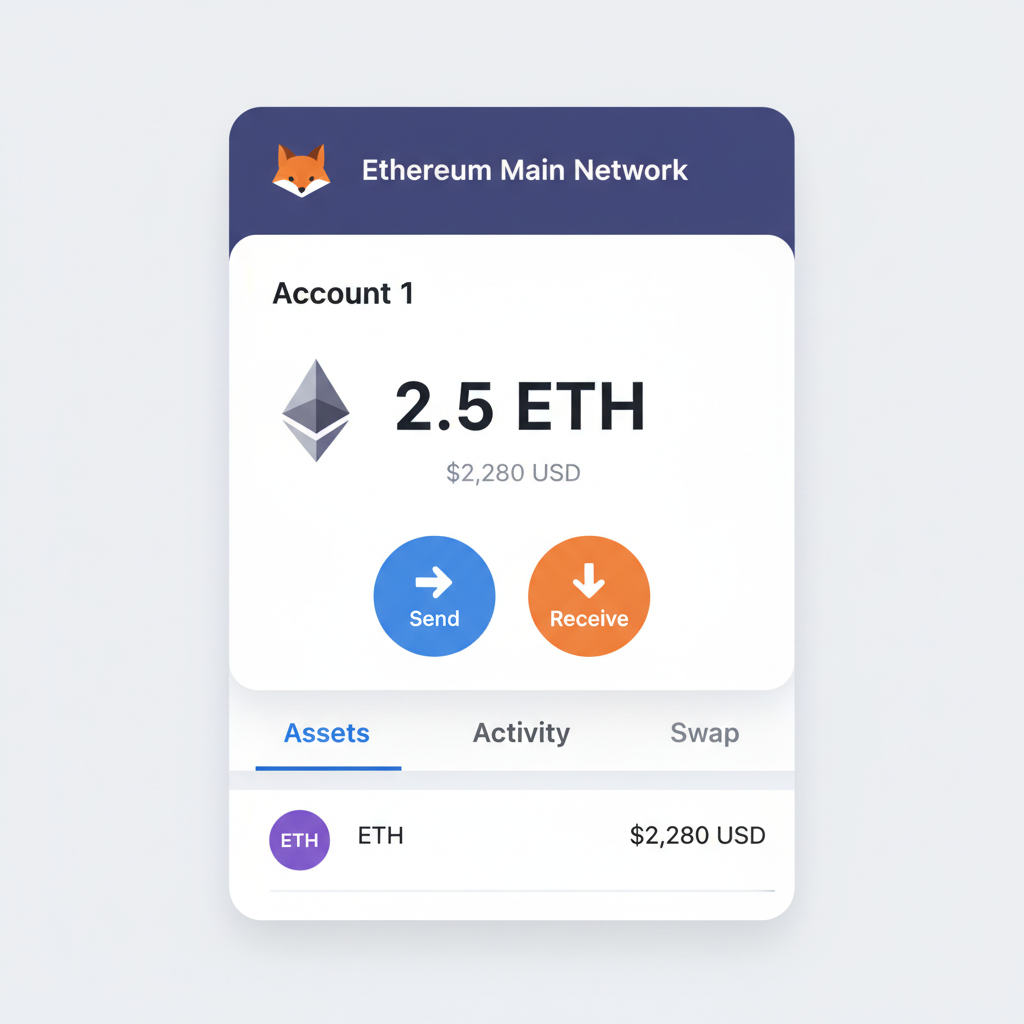
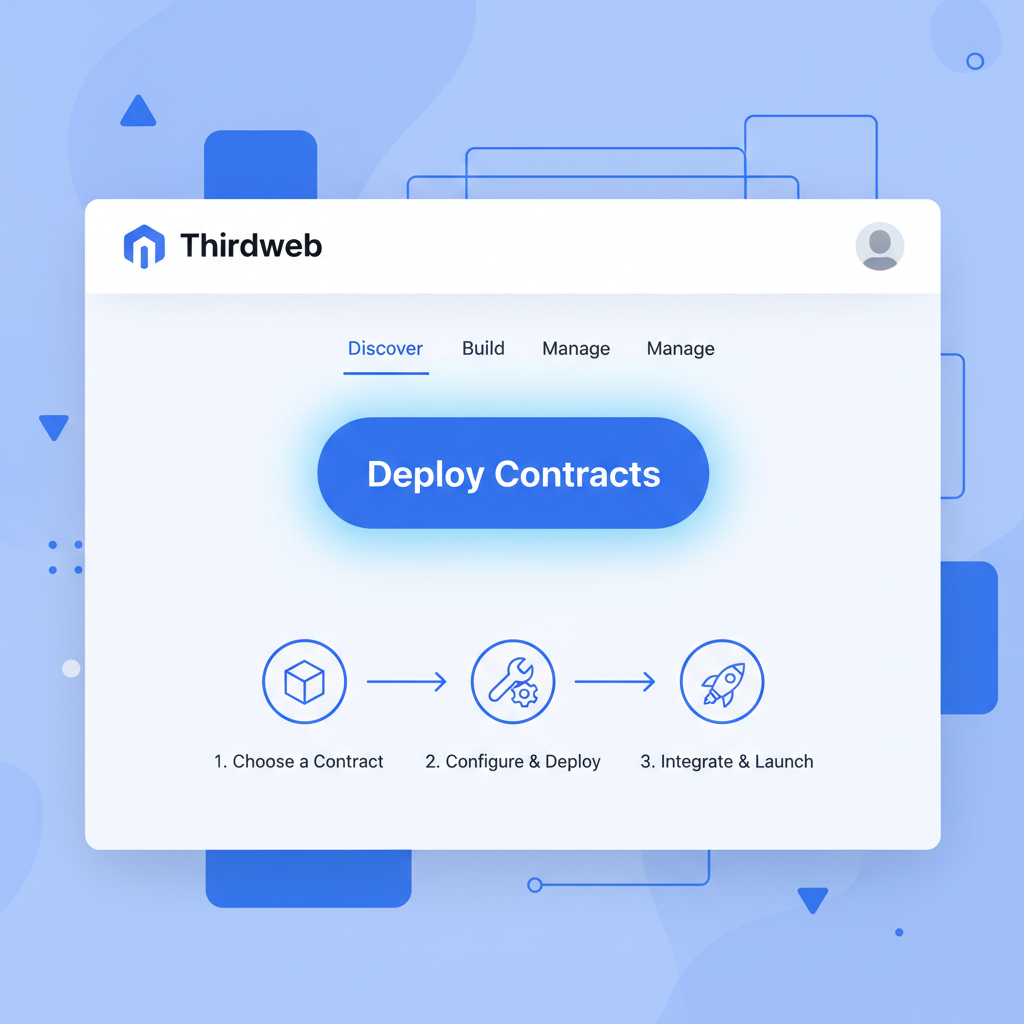
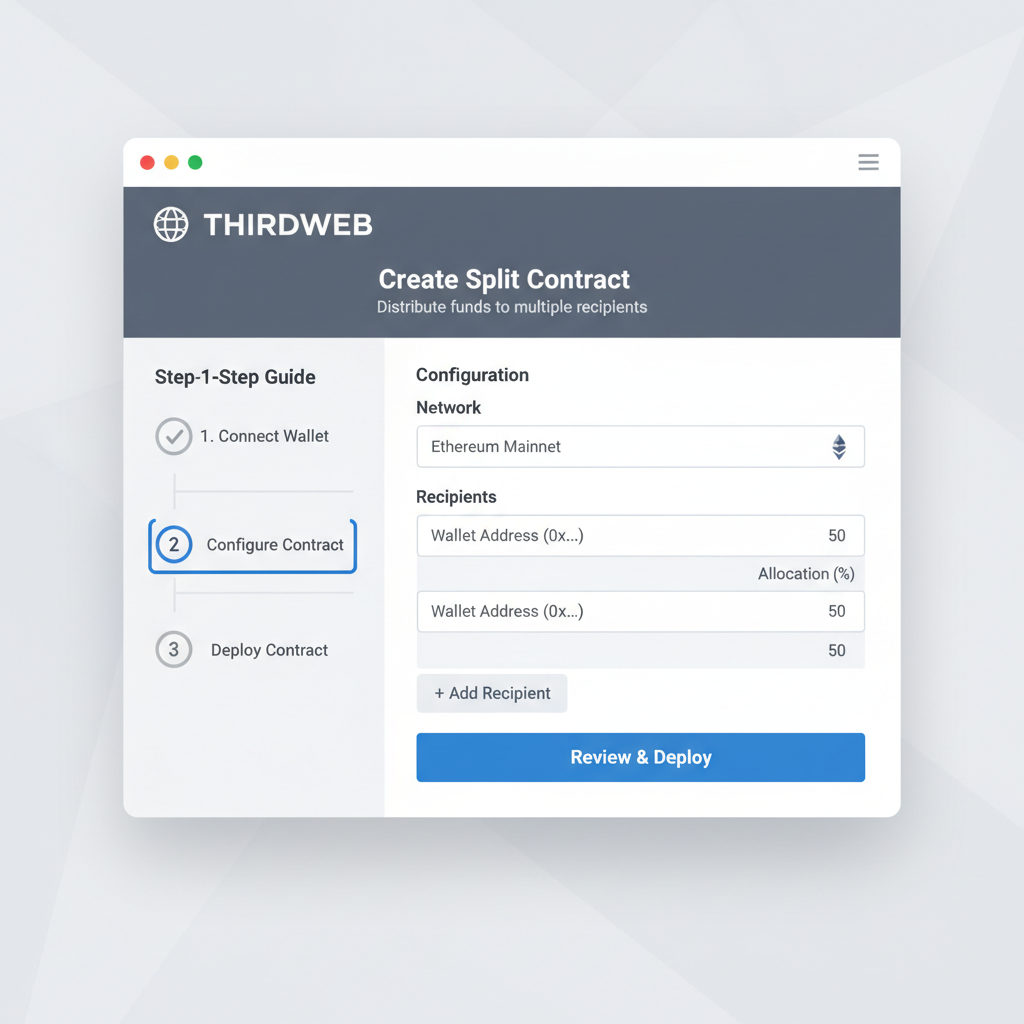
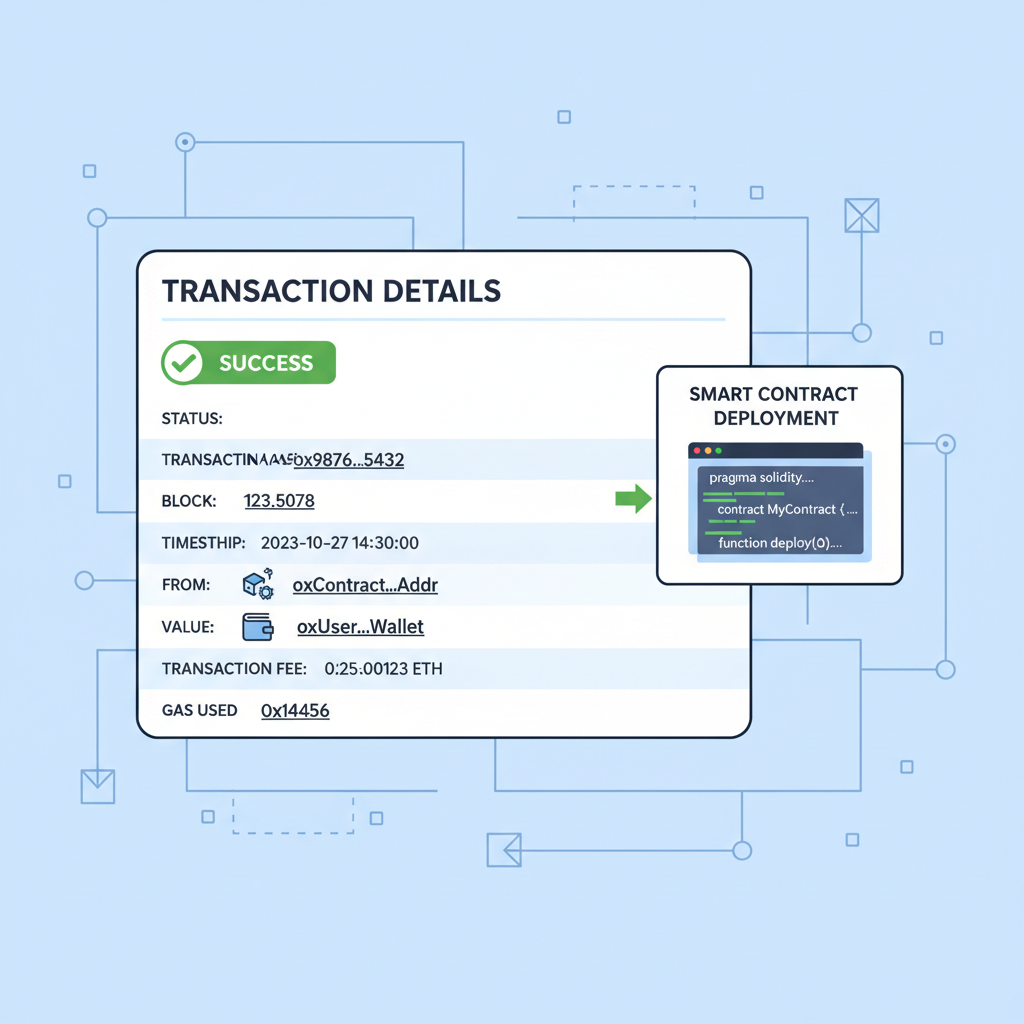
Ready to automate? Begin by selecting a network; Ethereum at $2,280.38 offers robust security, though Polygon's lower fees suit high-volume tests. Tools like Thirdweb provide no-code interfaces: connect your wallet, list payee addresses with percentages totaling 100%, then deploy. The contract address becomes your revenue hub, integrable into NFT minting scripts.
Deploy On-Chain Splits: Automate NFT Revenue Sharing with Thirdweb
Opinion: Skip the DIY pitfalls. Custom code from GitHub shines for tinkerers, but audited platforms prevent exploits. We've seen naive splits drain funds to hackers; professional audits, as standard at SplitPayOnChain. com, safeguard your ecosystem.
Deploying a Thirdweb Revenue Split Contract
Thirdweb simplifies on-chain revenue sharing through its Split contract, which distributes royalties proportionally among recipients. This JavaScript example uses the Thirdweb SDK to deploy a split contract—ideal for NFT creators automating payouts at scale. Customize addresses and percentages as needed.
// Initialize the Thirdweb SDK (use your preferred chain, e.g., Ethereum mainnet)
const sdk = new ThirdwebSDK("ethereum", {
  clientId: "YOUR_CLIENT_ID", // Get from thirdweb dashboard
  secretKey: "YOUR_SECRET_KEY", // Server-side only
});

// Deploy a revenue split contract
(async () => {
  const splitAddress = await sdk.deployer.deploySplit({
    name: "NFT Revenue Split",
    recipients: [
      {
        address: "0xYourCreatorWalletAddressHere",
        splitPercentage: 60, // 60%
      },
      {
        address: "0xCollaboratorWalletAddressHere",
        splitPercentage: 40, // 40%
      },
    ],
  });

  console.log("Revenue split contract deployed at:", splitAddress);
})();

// Tip: Set this splitAddress as the royaltyRecipient in your NFT contract for automated payouts on secondary sales.
Deploying this contract ensures tamper-proof, transparent revenue distribution. Link it to your NFT collection's royalties via Thirdweb's Edition or NFT Drop contracts, enabling seamless scaling across marketplaces without manual intervention.
Pitfalls to Dodge: Gas, Governance, and Growth
Gas spikes during Ethereum's 24-hour low of $2,090.35 remind us costs fluctuate, yet batching payouts or Layer 2 migration keeps them predictable. Governance enters when teams evolve; immutable contracts force new deployments for adjustments, a feature not a bug, as it prevents unilateral changes that erode trust.
Platform friction lingers too. While OpenSea enforces royalties on-chain for fresh collections, legacy marketplaces lag, pushing creators toward royalty-agnostic splits. Here's where Web3 mass payouts via SplitPayOnChain. com excel: agnostic to marketplaces, pulling from any ETH source.
Key SplitPayOnChain Advantages
- Unmatched Transparency: All revenue distributions are recorded on the blockchain, providing a fully auditable trail for creators and stakeholders.

- Seamless Automation: Smart contracts execute payouts instantly upon NFT sales, eliminating manual processes and ensuring timely payments.

- Proven Scalability: Supports massive splits like Reveel's 159 recipients, ideal for large collaborations without intervention.
- Immutable Security: Once deployed, splits cannot be altered, guaranteeing consistent revenue sharing in perpetuity.

- Perpetual Royalties: Creators earn from both primary sales and secondary resales automatically across compatible platforms.

Scale stories inspire. One NFT project funneled mint proceeds to 50 collaborators seamlessly; another's resale royalties sustained a DAO treasury for years. These aren't outliers; they're the new baseline as blockchain revenue sharing matures.
FAQs on Scaling Creator Payouts
Pushback on centralization fades as splits democratize earnings. Artists retain control without project leads as gatekeepers; charities tap perpetual streams sans bureaucracy. Ethereum's steady climb, marked by a 24-hour high of $2,302.97, signals network health ideal for such innovations.
For marketplace operators, integrate splits into listing contracts for instant creator revenue splits at scale. Digital artists mint with embedded shares, ensuring collaborators thrive alongside viral success. Developers? Embed hooks for DAO treasuries or token airdrops tied to sales velocity.
At SplitPayOnChain. com, we've optimized for this exact convergence. Our contracts batch claims, minimizing gas per withdrawal, and dashboard analytics track lifetime flows. Ethereum's $2,280.38 perch underscores stability; pair it with our tools, and revenue sharing becomes your competitive edge.
Stakeholders win across the board: transparent ledgers build loyalty, automation frees creative energy, scalability unlocks moonshot collaborations. As NFT volumes rebound, those wielding on-chain splits position for dominance in the creator economy.




No comments yet. Be the first to share your thoughts!