
The cross-border payout bottleneck
Freelancers and remote teams operating across borders are trapped in a financial friction loop that erodes their income before the work is even completed. Traditional cross-border settlements rely on legacy banking rails like SWIFT, which were designed for institutional transfers, not the high-velocity, low-value transactions typical of the gig economy. This structural mismatch creates a bottleneck where speed, cost, and transparency are compromised.
The cost of moving money internationally has not kept pace with the digitization of work. A typical wire transfer involves multiple intermediary banks, each taking a cut of the principal. Beyond the direct fees, which often range from $15 to $50 per transaction, the foreign exchange (FX) spread adds a hidden tax. Banks and payment processors rarely offer mid-market exchange rates, meaning freelancers lose 2-4% of their earnings simply in conversion costs. For a freelancer earning $5,000 a month with multiple clients, this can amount to hundreds of dollars in lost income annually.
Time is equally costly. Traditional cross-border payments can take 3-5 business days to settle, with delays caused by compliance checks, time zone differences, and intermediary bank processing. This latency disrupts cash flow, forcing freelancers to maintain larger cash reserves or rely on credit to bridge the gap between project completion and payment receipt. In contrast, on-chain payments settle in minutes, regardless of weekends or holidays, providing immediate liquidity.
This bottleneck is not just an inconvenience; it is a systemic inefficiency that penalizes cross-border labor. The friction of traditional finance discourages smaller, more frequent payments, pushing clients toward less flexible payment structures. On-chain split payments offer a way out by removing intermediaries, allowing funds to move directly from payer to payee with transparent, real-time tracking. This shift is critical for freelancers who need predictable, fast, and fair compensation for their work.
How onchain split payments work
Onchain split payments function as automated financial routing systems, eliminating the need for manual reconciliation or third-party escrow agents. Instead of a single payment landing in one account and being manually distributed later, a smart contract executes the division instantly upon receipt. This mechanism treats the payment logic as code rather than a post-hoc accounting entry, ensuring that every freelancer, vendor, or partner receives their share simultaneously and immutably.
The technical foundation relies on smart contracts deployed on public blockchains like Ethereum or Solana. These contracts hold the incoming funds in a temporary state until predefined conditions are met. Once triggered, the contract calculates the distribution ratios—whether equal shares or complex percentage splits—and executes multiple transfer transactions in a single atomic operation. If any part of the split fails, the entire transaction reverts, preventing partial payments or stuck funds.
This approach solves the latency and friction inherent in cross-border settlements. Traditional banking rails require correspondent banks and SWIFT codes, introducing delays of days and hidden FX fees. Onchain splits settle in seconds or minutes, regardless of the recipients' geographic locations. The transparency is absolute: every wallet address and amount transferred is recorded on the blockchain, providing an auditable trail that replaces the opaque reconciliation processes of traditional payroll.
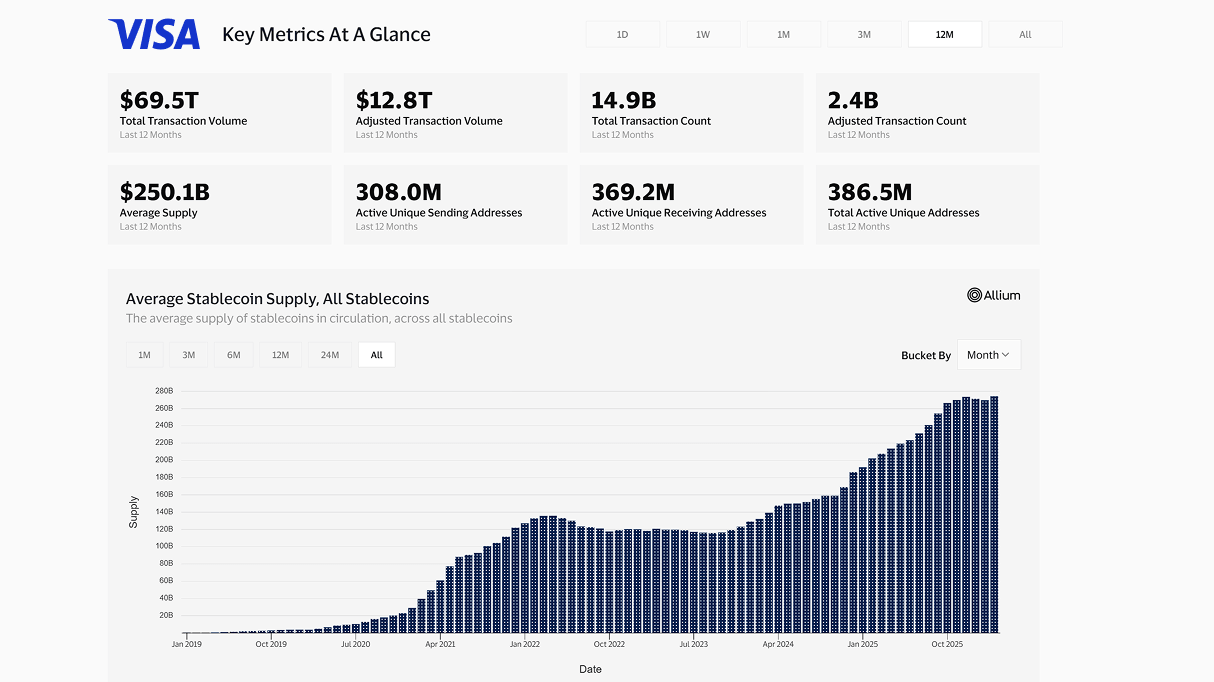
The reliability of this system depends heavily on the stability of the settlement currency. Since split payments often involve stablecoins to avoid volatility risk, maintaining a consistent peg to fiat currencies is critical for accurate value transfer. Market data from providers like TradingView allows businesses to monitor the liquidity and peg stability of assets like USDC in real time, ensuring that the funds being split retain their intended purchasing power across borders.
By automating the distribution logic, onchain split payments reduce operational overhead and minimize the risk of human error or fraud. Freelancers receive payment immediately upon project completion, while clients gain visibility into exactly how their funds are allocated. This shift from manual, batch-based processing to automated, event-driven settlement represents a fundamental upgrade in how global work is compensated.
How SplitPay Onchain Routes and Verifies Payouts
SplitPay Onchain moves beyond simple wallet-to-wallet transfers by embedding compliance logic directly into the payment routing. For cross-border freelance settlements, the primary friction is not speed, but the administrative burden of verifying contractor status and tax residency. Traditional platforms like Wise or PayPal often require manual document uploads and hold funds for extended verification periods, creating cash flow gaps for creators. SplitPay Onchain automates this by treating tax forms as on-chain data points.
The architecture uses smart contracts to handle W-8BEN and W-9 collection before any funds are released. When a business initiates a payout, the contract checks the recipient’s stored tax documentation. If the documents are valid and up-to-date, the payment routes immediately to the designated stablecoin address. If the documentation is missing or expired, the transaction halts, and the contractor receives a prompt to update their profile. This eliminates the need for third-party payroll processors to act as intermediaries.
This approach reduces settlement times from days to seconds while ensuring regulatory adherence. By keeping the compliance layer within the transaction flow, SplitPay Onchain provides a transparent audit trail for both the payer and the payee. The system generates year-end 1099 reports automatically, sourced directly from the on-chain transaction history, reducing the risk of human error in tax filing.
| Feature | SplitPay Onchain | Traditional Platforms (Wise/PayPal) | Generic Wallet Transfers |
|---|---|---|---|
| Compliance Automation | Built-in W-8/W-9/1099 handling | Manual upload & review | None |
| Settlement Time | Seconds (on-chain) | 1-3 business days | Seconds |
| Cross-Border Fees | Network gas + small protocol fee | Fixed FX margin + transfer fee | Network gas only |
| Audit Trail | Immutable on-chain records | Centralized database logs | Public ledger only |
The routing logic also supports multi-currency payouts. A US-based client can pay a European contractor in USDC, while the contractor receives the equivalent in EUR via integrated decentralized exchange routes. This removes the need for the freelancer to manage multiple exchange accounts or pay high conversion fees. The protocol handles the swap internally, ensuring the contractor receives their preferred currency without leaving the on-chain ecosystem.
For businesses operating in high-stakes environments, this level of automation is critical. It reduces the liability associated with misclassified contractors and ensures that tax obligations are met at the source. The transparency of the on-chain ledger provides peace of mind for both parties, as every transaction is verifiable and immutable.
Compliance and tax reporting
Cross-border freelance settlements often trigger a compliance nightmare for both the payer and the payee. In the traditional fiat system, verifying the tax status of an international contractor requires manual collection of W-8BEN or W-9 forms, followed by tedious year-end reporting. Onchain split payment protocols solve this by embedding tax logic directly into the settlement layer.
Platforms like Splits allow onchain businesses to automate the entire 1099 and W-8 workflow. When a smart contract executes a payment split, it can automatically tag the recipient’s tax status based on their onchain identity or linked profile. This means the platform handles the W-8s, W-9s, and year-end 1099s without manual intervention from the freelancer or the business owner.
This automation reduces the risk of regulatory penalties and simplifies accounting for cross-border teams. By shifting tax compliance from a manual administrative burden to an automated protocol function, onchain payments make global hiring as simple as sending a transaction.
Implementing split payments in 2026
Adopting onchain split payments requires moving from theoretical models to executable smart contracts. For businesses handling cross-border freelance settlements, the priority is ensuring that funds are routed correctly without relying on traditional banking rails. This section outlines the technical checklist for wallet setup and contract configuration.
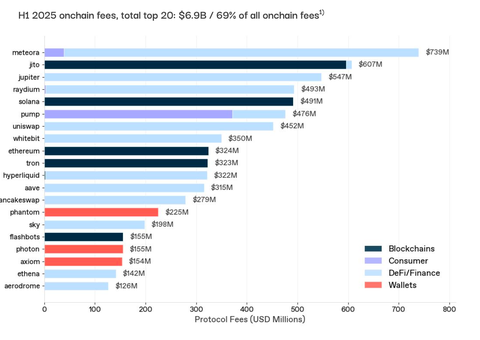
Choose a network that supports low-cost, fast finality for micro-transactions. Ethereum Layer 2 solutions like Arbitrum or Optimism are standard for freelance payouts due to their predictable gas fees. Avoid mainnet Ethereum for routine settlements, as high transaction costs can erode freelancer earnings. Verify that your chosen network supports the stablecoin of your choice, typically USDC or USDT.
Set up a multi-signature (multisig) wallet for your business treasury. This ensures that no single individual can move funds without approval from designated stakeholders. Tools like Safe (formerly Gnosis Safe) provide robust multisig capabilities. This setup is critical for internal controls, preventing unauthorized disbursements, and maintaining audit trails for tax compliance.
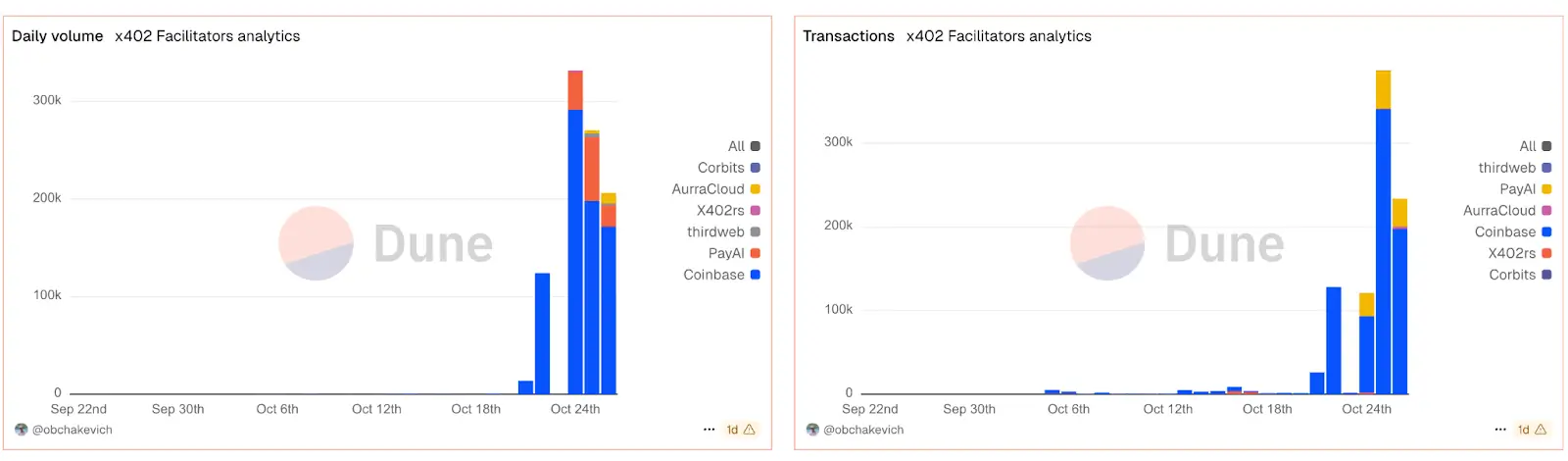
Implement a smart contract that automates the distribution logic. The contract should accept a lump sum and distribute it to predefined wallet addresses based on percentage or fixed amounts. You can use established libraries like OpenZeppelin’s AccessControl to manage who can update payment splits. Alternatively, integrate with payment orchestration platforms that offer API-driven split payment capabilities, reducing the need for custom code maintenance.

Before handling real funds, deploy your contract to a testnet like Sepolia or Goerli. Simulate various payment scenarios, including partial payments, failed transactions, and edge cases where a freelancer’s wallet address is invalid. Use tools like Remix IDE or Hardhat to run automated tests. This step prevents costly errors and ensures that the split logic executes exactly as intended.
Connect your onchain payment system to your offchain accounting records. Use blockchain explorers or accounting APIs to automatically import transaction data. This ensures that your financial records match the onchain reality. Regular reconciliation between your multisig wallet and your accounting software is essential for accurate reporting and tax preparation.
The transition to onchain split payments reduces friction and increases transparency. By following these steps, businesses can establish a reliable infrastructure for global freelance settlements. Always consult with legal and financial advisors to ensure compliance with local regulations in both your jurisdiction and your freelancers’ locations.
Frequently asked: what to check next
What are onchain payments?
Onchain payments move money directly between digital wallets without third-party intermediaries. The blockchain itself acts as the settlement network, verifying and recording every transaction. This eliminates the need for traditional banking rails, reducing friction for cross-border freelance settlements.
Is there a way to do a split payment online?
Yes. In an onchain context, split payments are executed via smart contracts. These contracts automatically route specific percentages of a payment to multiple wallets based on predefined rules. Unlike traditional e-commerce which often limits splits to gift cards and credit cards, onchain solutions allow precise, multi-party splits in crypto or stablecoins.
Is it possible to double spend in a blockchain system?
No. Blockchain networks use consensus mechanisms to prevent double-spending. Decentralized nodes validate transactions and agree on the state of the ledger. Once a transaction is confirmed and added to the chain, it is immutable, ensuring that the same funds cannot be spent twice.
Has Ethereum ever split?
Yes. Ethereum underwent a significant hard fork in 2016 following the DAO hack. The network split into two chains: Ethereum (ETH), which reversed the theft, and Ethereum Classic (ETC), which continued on the original, unmodified chain. This event highlights the technical complexity of network consensus and governance.
No comments yet. Be the first to share your thoughts!