
What SplitPay Onchain actually does
SplitPay Onchain is a specialized payment rail built for creators and B2B settlements. It moves money on public blockchains using stablecoins like USDC, allowing you to link your operational wallet directly to the interface. Unlike traditional consumer apps that split restaurant bills or Airbnb costs, this tool handles complex treasury management and cross-border payouts.
The system replaces slow bank transfers with instant onchain settlement. Instead of waiting days for ACH clearing, funds move when the blockchain confirms the transaction. This matters for creators who need to pay freelancers, agencies, or collaborators across different countries without worrying about FX delays or high wire fees.
Setting up is straightforward. You connect your wallet, choose your settlement currency, and define how the funds should be divided among recipients. The cryptographic signature from your wallet authorizes the split, ensuring transparency and reducing the risk of chargebacks or disputed transactions common in traditional payment processors.
How onchain split payments work
SplitPay Onchain automates the division of funds at the moment a transaction occurs. Instead of collecting revenue in a central account and manually issuing payouts later, the system links your operational wallet to a smart contract that distributes assets instantly. This eliminates the lag between earning and receiving, ensuring creators and collaborators get their share in real time.
The process relies on three core actions: linking wallets, selecting a stablecoin, and executing an atomic split. Each step is designed to reduce friction while maintaining full transparency on the blockchain.

Begin by connecting your treasury or operational wallet to the SplitPay Onchain interface. This establishes the source account from which revenue will flow. Once linked, the platform recognizes your address as the primary collector, allowing you to configure payout rules without moving funds manually.

Choose USDC as your settlement currency. Stablecoins like USDC provide price stability compared to volatile assets, making them ideal for creator economies where predictable income is essential. Selecting USDC ensures that the value you earn today remains consistent when it reaches your collaborators’ wallets.
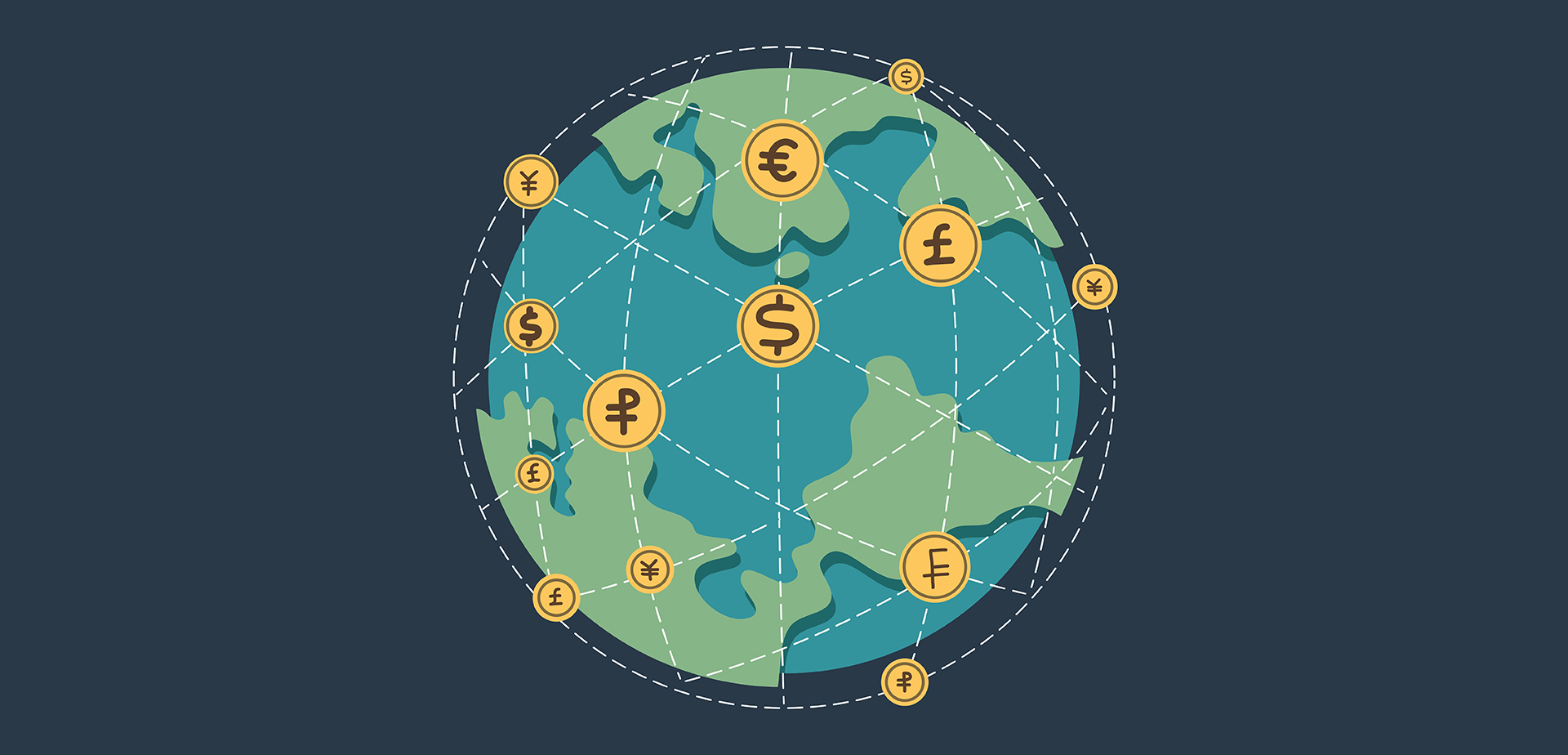
When a payment is received, the smart contract executes an atomic split. This means the distribution happens in a single, indivisible transaction. If any part of the split fails, the entire transaction reverts, preventing partial payments or lost funds. Your team receives their exact share instantly, with no manual intervention required.
This mechanism transforms how creators manage revenue. By removing intermediaries and automating splits, SplitPay Onchain reduces administrative overhead and ensures that financial agreements are enforced by code rather than manual tracking. The result is a cleaner, faster workflow that scales with your audience.
Why creators choose this settlement method
Creators are moving away from traditional banking rails for two simple reasons: speed and cost. When you rely on standard bank transfers, you are often at the mercy of intermediary banks, weekends, and holidays. SplitPay Onchain changes this by settling transactions in real-time on the blockchain. This means your earnings are available immediately, not days later.
The cost difference is equally significant. Traditional payment processors and wire transfers often charge flat fees that eat into smaller payouts. Onchain settlement, particularly with stablecoins like USDC, typically incurs lower network fees. For creators who make frequent, smaller transactions, these savings add up quickly over time.
Transparency is the final piece of the puzzle. Every transaction on the blockchain is visible and verifiable. You do not have to wait for a bank statement to arrive or call support to check the status of a wire. You can see exactly when funds were sent, when they arrived, and the exact amount transferred. This clarity removes the guesswork from your finances.
| Feature | Traditional Bank Transfer | SplitPay Onchain |
|---|---|---|
| Settlement Speed | 1-3 Business Days | Real-Time |
| Transaction Cost | Higher (Wire/Processing Fees) | Lower (Network Fees Only) |
| Visibility | Delayed Bank Statements | Instant Blockchain Verification |
| Availability | Weekends/Holidays Delayed | 24/7/365 |
Setting up your first onchain split
Getting started with SplitPay Onchain requires connecting a compatible wallet and defining how revenue flows to your team. The platform handles the complex logic of splitting stablecoin transactions, allowing you to focus on your content rather than manual payouts.
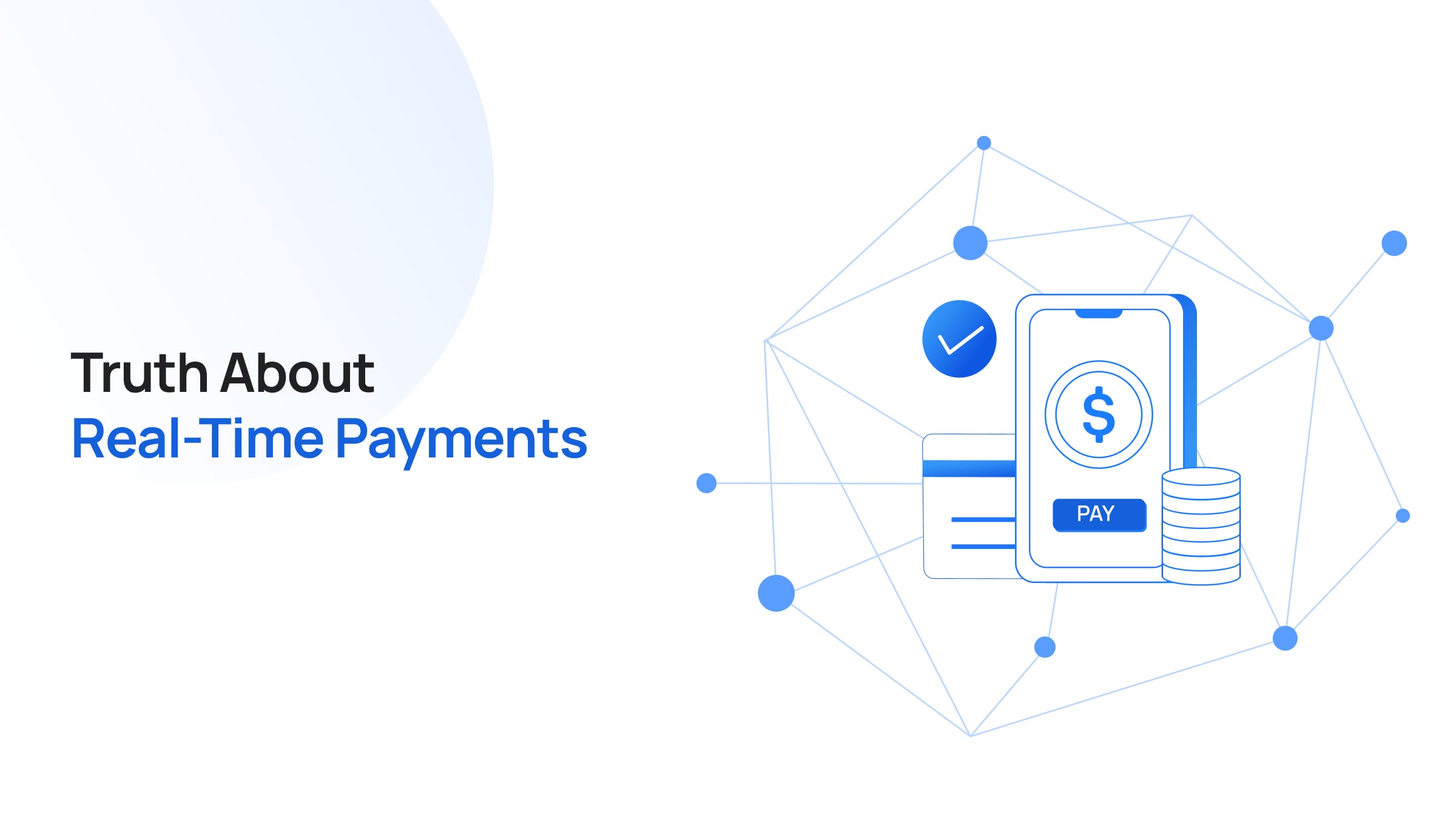
Begin by linking your preferred Web3 wallet, such as MetaMask or WalletConnect, to the SplitPay dashboard. This connection establishes the identity of the payer and ensures that all settlement instructions are cryptographically signed and secure.

Create a new split project and add the wallet addresses of your collaborators. You can assign fixed percentages or flat amounts to each participant. The system will automatically calculate the distribution for every incoming transaction, ensuring consistent and fair compensation.

Once your split rules are saved, generate a unique payment link or QR code. Share this link with your audience or embed it in your digital products. When a user pays in a supported stablecoin like USDC, the funds are instantly divided according to your preset ratios.
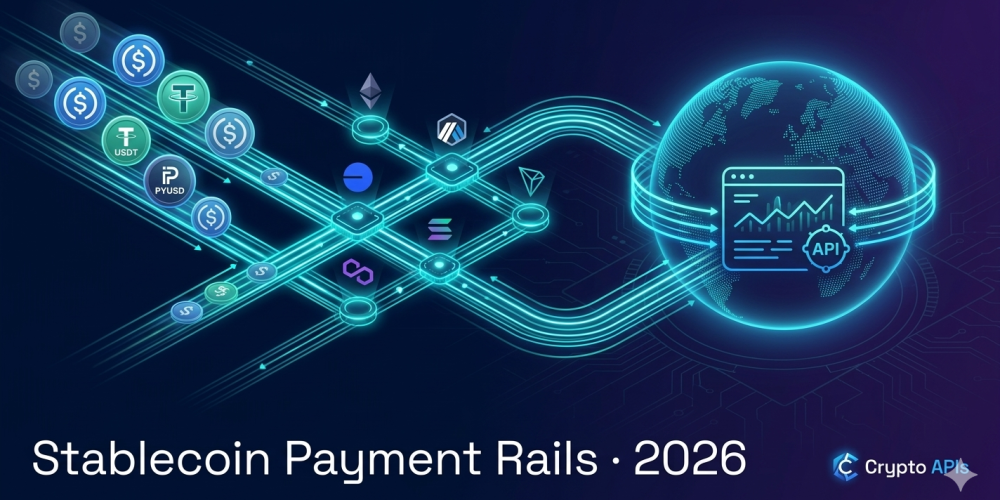
Track every transaction in the SplitPay dashboard. Unlike traditional payment processors that hold funds for days, onchain splits settle in seconds. You can see exactly how much each participant receives and verify the transaction on the blockchain immediately.
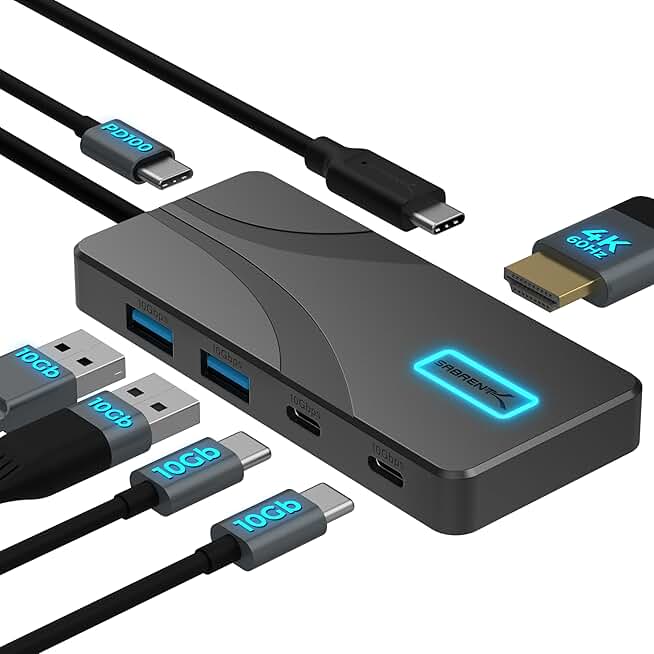
To streamline your creator economy workflow, consider pairing your payment setup with the right hardware for managing digital assets and security keys.


As an Amazon Associate, we may earn from qualifying purchases.
Related tools for onchain payments
Stablecoin settlement is only the first step in a creator’s commerce stack. To handle the full lifecycle of onchain transactions, you need supporting infrastructure that manages security, development, and analytics.
These tools complement the core payment layer by addressing the practical needs of running a digital business on-chain. They range from hardware for securing keys to frameworks for building custom checkout flows.


As an Amazon Associate, we may earn from qualifying purchases.
Onchain payments and split systems explained
Onchain payments differ from traditional processing because settlement happens directly on a public blockchain rather than through a card network. The paying party is often an autonomous program, known as an agent, that uses a cryptographic signature from its wallet to authorize the transaction. This process typically settles in stablecoins like USDC or USDT, providing immediate finality without the delays associated with legacy banking rails.
A split payment system divides a single transaction into smaller parts, which can be handled in two ways. First, a single payer can split a bill between multiple payment methods, such as using two different cards or combining cash with a digital wallet. Second, the payment can be distributed among multiple people, allowing groups to share costs like rent or event tickets without one person covering the full amount upfront.
No comments yet. Be the first to share your thoughts!