
How SplitPay Onchain handles splits
SplitPay Onchain replaces the manual reconciliation of cross-border B2B payments with automated smart contract logic. Instead of waiting for bank transfers to clear or manually calculating commissions, the system distributes funds instantly based on predefined rules. This mechanism is particularly useful for revenue sharing and stablecoin invoicing, where speed and accuracy are critical.
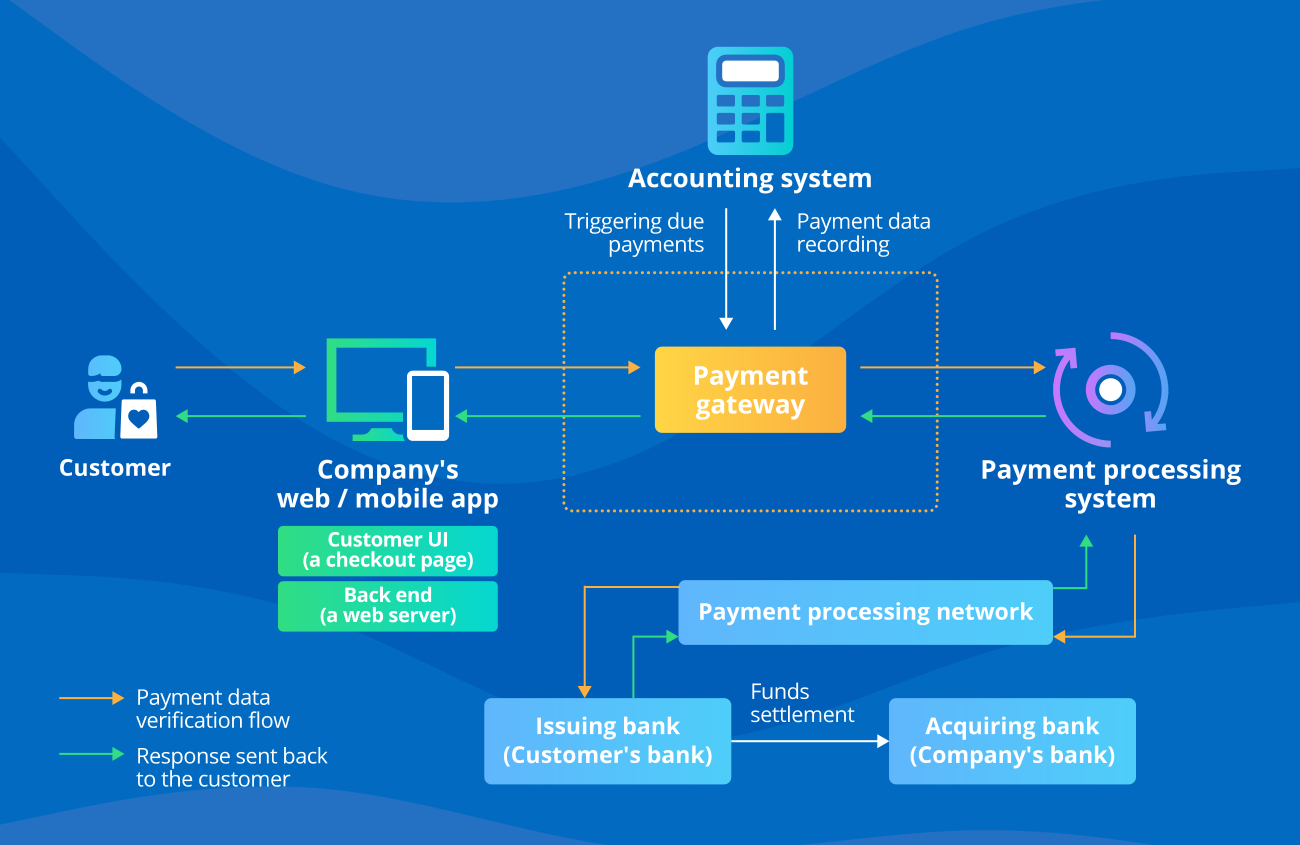
The core of this process is the payment splitter smart contract. When a buyer sends payment in a stablecoin, the contract immediately routes portions of that transaction to multiple recipient wallets. Each vendor, partner, or service provider receives their exact share without the need for intermediary clearing houses. This eliminates the friction of traditional wire transfers and reduces the administrative burden on finance teams.
By automating these splits, SplitPay Onchain ensures that all parties are paid simultaneously and transparently. The immutable nature of the blockchain provides a clear audit trail for every transaction, making it easier to track who received what and when. This level of automation is essential for businesses operating across different jurisdictions, where manual reconciliation can be slow and error-prone.
Lower costs and faster settlement times
Traditional cross-border B2B payments often rely on legacy banking networks like SWIFT, which can take several days to settle and involve multiple intermediary fees. SplitPay Onchain leverages blockchain infrastructure to address these inefficiencies directly. By moving value on-chain, businesses can bypass many of the friction points inherent in traditional correspondent banking.
The primary advantage lies in cost reduction and speed. Onchain settlements typically occur in minutes rather than days, improving cash flow predictability. Additionally, foreign exchange (FX) fees are often lower because the system minimizes the number of intermediaries handling the transaction. This makes it a practical alternative for companies regularly transferring funds across borders.
To understand the practical difference, consider how these metrics compare against standard banking methods.
| Metric | Traditional SWIFT | SplitPay Onchain |
|---|---|---|
| Settlement Time | 1-5 Business Days | Minutes |
| FX Fees | High (Multiple Intermediaries) | Lower (Direct Transfer) |
| Transparency | Low (Hidden Bank Fees) | High (On-Chain Visible) |
| Availability | Banking Hours Only | 24/7 |
Best tools for split contracts
Choosing the right split payment tool depends on whether you are a creator selling digital courses or a B2B enterprise managing vendor payouts. While SplitPay Onchain handles the settlement layer, you often need a front-end interface or a complementary platform to manage the contract logic and user experience.
For creators and small businesses, ThriveCart offers a straightforward way to structure split payments without deep technical integration. It allows you to set the number of payments, the amount, and the timing to fit your business model. You can create two installments or a longer plan, making it ideal for high-ticket digital products where cash flow timing matters. The platform handles the split automatically, sending funds to your affiliates or partners based on your predefined rules.
For B2B entities and enterprises, Esusu Split Pay provides a different utility. Originally designed for rent flexibility, its underlying split-payment logic is increasingly adapted for B2B vendor management. Instead of paying the full invoice amount at once, Esusu allows you to pay a portion upfront and spread the remaining balance over two smaller payments. This flexibility helps manage working capital while maintaining strong relationships with suppliers who might otherwise struggle with delayed traditional payments.
When selecting a tool, prioritize platforms that offer transparent fee structures and clear audit trails. The goal is to reduce friction for all parties involved in the split, whether that is a creator, an affiliate, or a B2B vendor.

As an Amazon Associate, we may earn from qualifying purchases.
Setup and integration steps
Integrating SplitPay Onchain into your existing B2B workflow is designed to be straightforward, minimizing disruption to your current operations. The platform focuses on concrete product benefits, allowing finance teams to automate cross-border settlements without managing complex blockchain infrastructure. By leveraging standard APIs and familiar banking protocols, you can connect your enterprise resource planning (ERP) system to the settlement network quickly.
Begin by registering your business profile on the SplitPay Onchain portal. This step involves verifying your business identity and linking your primary corporate bank accounts. The verification process is streamlined to ensure compliance with international regulations while keeping setup time to a minimum. Once approved, you gain access to the dashboard where you can configure your settlement preferences.
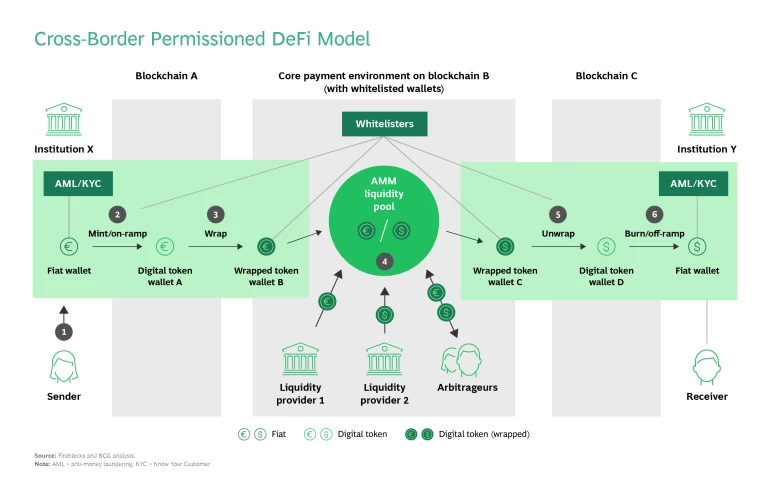
Define how your cross-border payments should be handled. You can set up automated rules for currency conversion, fee allocation, and recipient verification. This ensures that every transaction follows your company’s specific financial policies. The system supports multiple currencies, allowing you to pay suppliers in their local currency while settling in your preferred base currency.
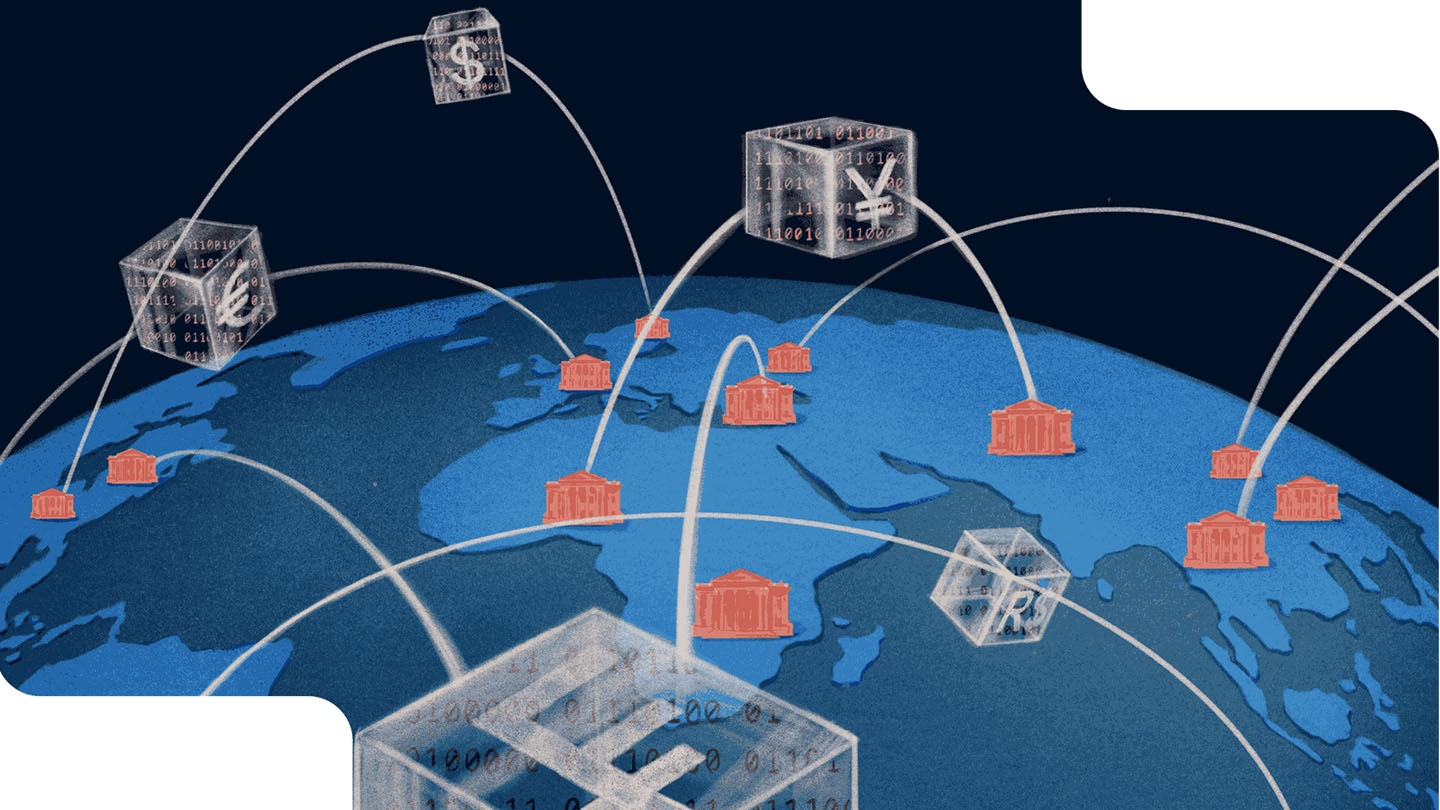
For high-volume operations, use the provided API documentation to integrate SplitPay directly into your accounting software. For smaller teams, the web dashboard offers a user-friendly interface to manage transactions manually. Both options provide real-time tracking and instant settlement confirmation, giving you full visibility into your cross-border cash flow.
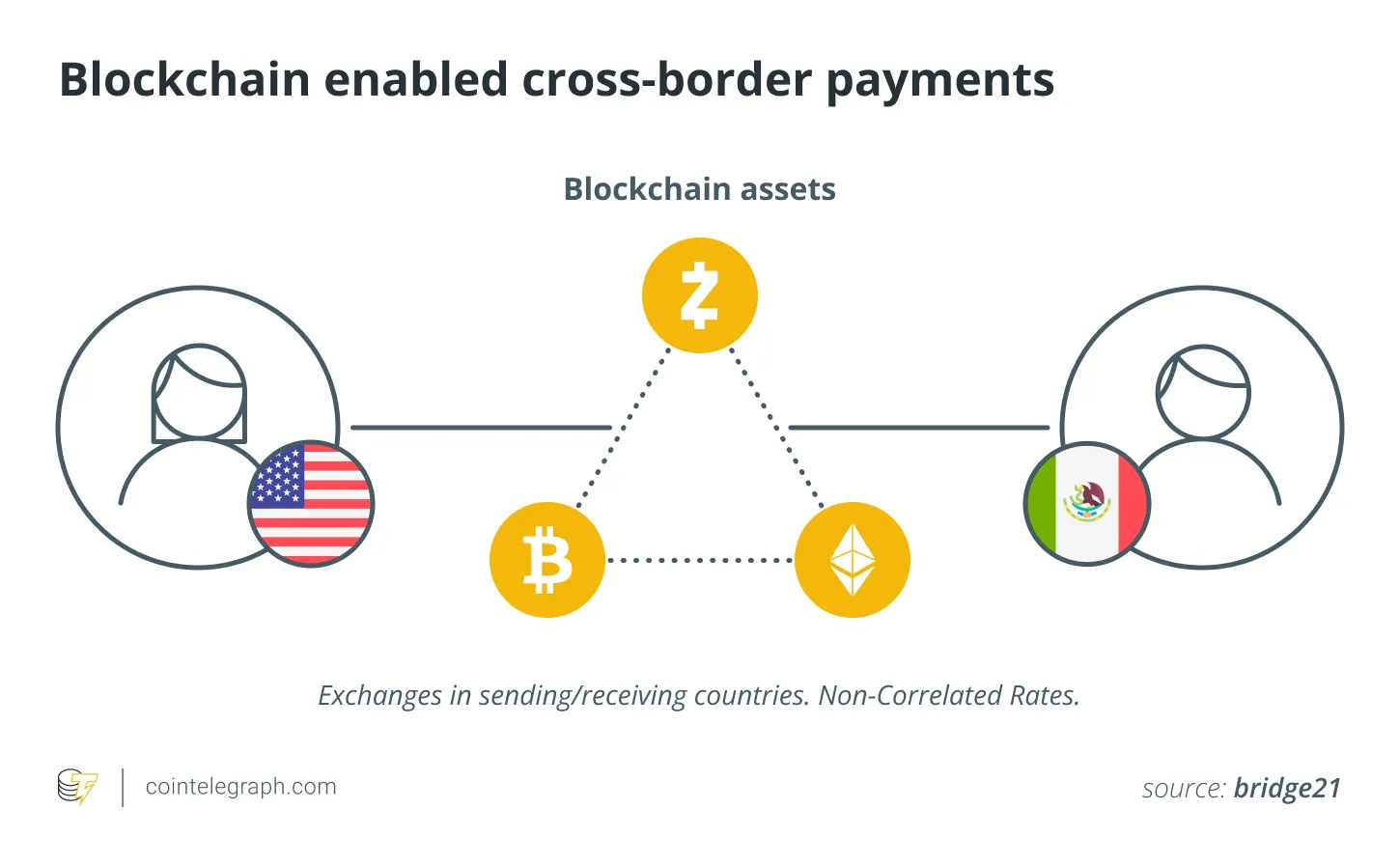
Before going live with all suppliers, run a small pilot transaction. This allows your finance team to verify that the settlement speed, currency conversion rates, and reporting features meet your expectations. The test phase helps identify any potential issues with your bank connections or API integrations without risking significant funds.
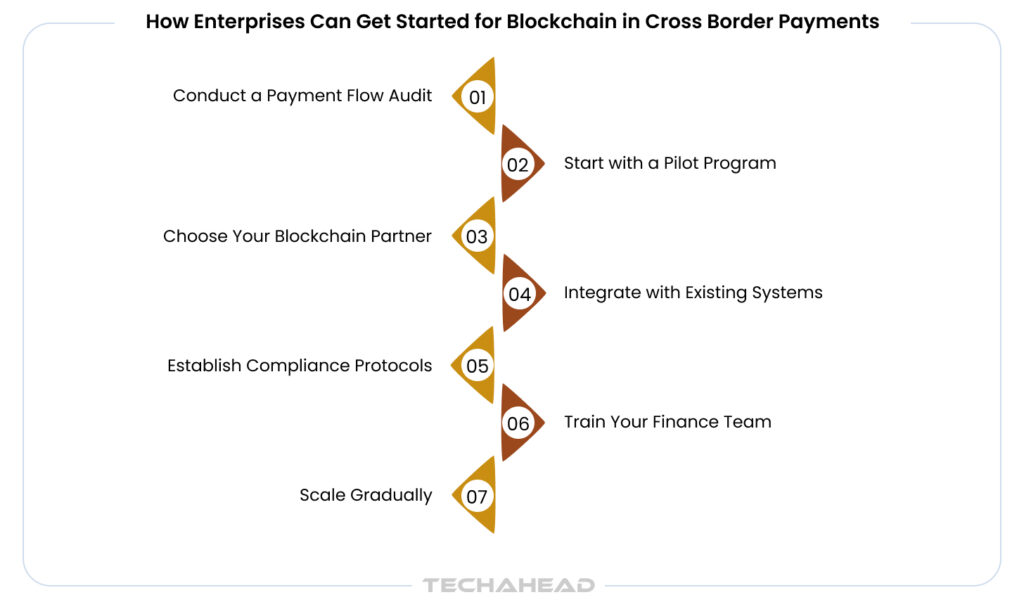
Once the pilot is successful, expand the integration to all your cross-border suppliers. The platform provides detailed analytics and reporting tools to help you monitor transaction costs, settlement times, and compliance status. This ongoing visibility ensures that your cross-border payments remain efficient and cost-effective as your business grows.
Common questions on onchain splits
Users often have specific concerns when moving from traditional fiat payments to onchain settlement layers. Here are the direct answers to the most frequent questions regarding security, tax implications, and technical requirements for using SplitPay Onchain.
No comments yet. Be the first to share your thoughts!