
The onchain settlement shift
The architecture of global finance is undergoing a structural pivot. For decades, cross-border settlements have relied on the SWIFT network and correspondent banking, a system designed for the 20th century rather than the velocity of modern commerce. In 2026, this legacy infrastructure is no longer just slow; it is becoming a liability. The friction costs—both in time and capital—of moving value across borders have reached a tipping point where alternative rails are no longer experimental, but essential.
The macroeconomic driver is clear: liquidity efficiency. When capital sits in transit for days, it generates no yield and introduces significant counterparty risk. Onchain settlement protocols offer a solution by enabling near-instant finality. This shift is not merely about speed; it is about the fundamental re-engineering of how value moves. By removing intermediaries, businesses can access their funds immediately, transforming settlement from a back-office bottleneck into a real-time operational advantage.
SplitPay Onchain emerges as a key infrastructure player in this new landscape. By leveraging stablecoin rails and smart contract automation, it provides the necessary bridge between traditional fiat requirements and the efficiency of blockchain settlement. This is not a speculative bet on crypto-assets, but a pragmatic adoption of underlying technology to solve concrete financial inefficiencies. As regulatory frameworks mature, SplitPay Onchain positions itself to facilitate this transition, offering a compliant, scalable path for enterprises ready to move beyond the constraints of legacy banking.
How SplitPay Onchain Handles Settlements
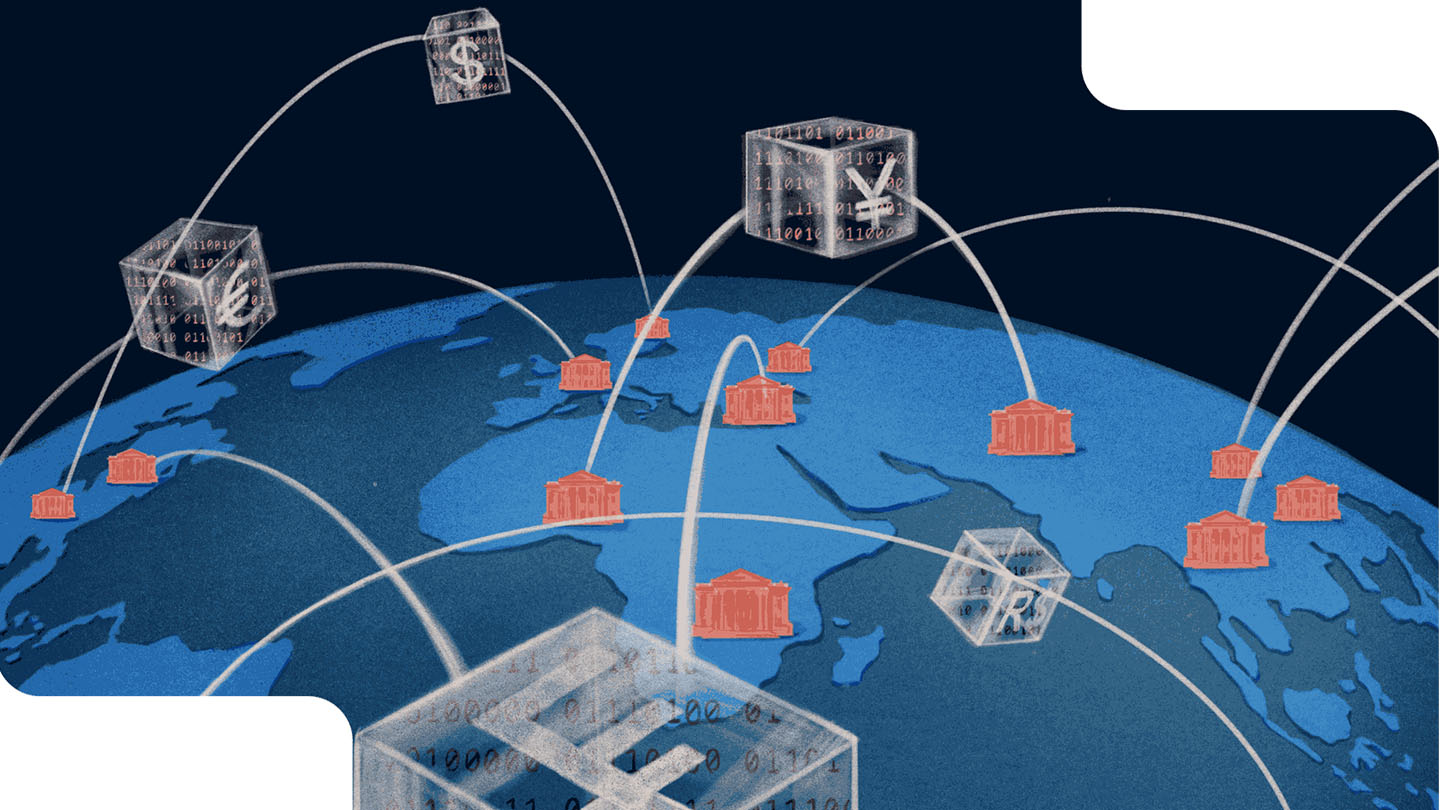
SplitPay Onchain replaces the fragmented legacy correspondent banking network with a unified on-chain settlement layer. Instead of routing payments through multiple intermediary banks, the system processes split transactions directly on the blockchain. This approach eliminates the latency and opacity inherent in traditional cross-border transfers, allowing funds to move between parties in real time.
The core mechanism relies on atomic split transactions. When a payment is initiated, the smart contract divides the total amount into predefined portions and routes each share to the correct destination wallet or balance account simultaneously. This mirrors the logic used in modern payment platforms like Adyen, where split payments at authorization allow platforms to book sale amounts across multiple accounts instantly. By executing these splits at the point of authorization, SplitPay Onchain ensures that every participant receives their exact share without waiting for batch processing cycles.
Liquidity is managed through decentralized pools rather than pre-funded nostro accounts. This removes the need for institutions to hold idle capital in foreign currencies to facilitate settlements. Instead, the protocol utilizes automated market makers and liquidity providers to ensure that funds are available wherever they are needed. This model reduces the friction of currency conversion and ensures that settlement finality is achieved without the delays associated with traditional wire transfers.
The result is a settlement infrastructure that is both faster and more transparent. By removing the need for manual reconciliation and reducing the number of intermediaries, SplitPay Onchain lowers the cost of cross-border payments while increasing the speed of fund availability. This shift is critical for businesses that require immediate access to international revenue streams.
Real-time liquidity advantages
The traditional fintech model operates on a float-based system. When you pay a bill or receive a settlement, the money often sits in transit or idle accounts for days before becoming fully available. This delay isn't just an inconvenience; it represents a significant drag on capital efficiency. For creators and businesses managing cash flow, that delay is money that cannot be reinvested, paid out, or used to cover immediate operational costs.
SplitPay Onchain removes this friction by leveraging onchain infrastructure for real-time liquidity. Instead of waiting for the slow, batch-processed clearing houses of traditional banking, transactions settle instantly. This means the funds are available the moment the transfer is confirmed, not days later. The shift from "available in 2-3 business days" to "available now" fundamentally changes how liquidity is managed.
To understand the scale of this advantage, consider the difference in fee structures and settlement times between legacy methods and onchain solutions. The table below contrasts typical wire transfers and legacy fintech apps with the SplitPay Onchain model.
| Method | Settlement Time | Typical Fees | Liquidity Type |
|---|---|---|---|
| Traditional Wire | 1-3 Days | $15-$50 per tx | Delayed Float |
| Legacy Fintech App | 1-2 Days | $0-$5 per tx | Pending Balance |
| SplitPay Onchain | Real-Time | Fractional Cent | Immediate Access |
This real-time access allows businesses to optimize their working capital. There is no need to maintain large cash reserves to cover pending transactions. Instead, capital is deployed immediately, reducing the cost of carry and improving overall financial agility. In a high-stakes financial environment, speed is not just a feature; it is a competitive advantage.
Creator payouts and tax compliance
SplitPay Onchain addresses a structural inefficiency in the creator economy: the friction of cross-border payments. Digital workers often operate across multiple jurisdictions, relying on traditional banking rails that impose high foreign exchange fees and opaque withholding taxes. SplitPay Onchain simplifies this by enabling direct, multi-party splits on the blockchain. Instead of a single payout being routed through a labyrinth of intermediaries, funds are distributed instantly to the creator, collaborators, and tax authorities according to pre-defined smart contract rules.
This approach is particularly vital for digital teams working on global projects. A video editor in Berlin, a copywriter in Austin, and a strategist in Tokyo can receive their shares in stablecoins or native tokens without waiting for wire transfers to clear. The transparency of the ledger provides an immutable record of each transaction, simplifying the complex process of international tax compliance. Creators can prove income sources and deductions with greater accuracy, reducing the risk of audits or penalties.
The shift away from traditional payment processors also reduces the cost of doing business. While platforms like PayPal or Stripe charge significant percentages for cross-border transactions, on-chain settlements typically involve only network gas fees. For high-volume creators, these savings compound quickly, allowing more capital to remain in the business rather than being consumed by financial infrastructure.
Key questions on onchain payments
Onchain payments represent a structural shift in how capital moves across borders. For users evaluating SplitPay Onchain, understanding the mechanics of stability and accessibility is essential before committing funds.
No comments yet. Be the first to share your thoughts!