
How SplitPay Onchain Handles Settlements
Traditional payment apps often hold funds in a central pool, creating a lag between when a customer pays and when creators receive their share. SplitPay Onchain removes this intermediary layer by executing payouts directly on the blockchain. This approach ensures that every transaction is atomic, meaning the entire split occurs as a single, indivisible operation. If any part of the distribution fails, the entire transaction reverts, preventing partial payments or lost funds.
The system relies on non-custodial smart contracts to manage the flow of stablecoins like USDC or USDT. When a payment is initiated, the contract automatically calculates the designated percentages for the creator, affiliates, and treasury wallets. These allocations are executed simultaneously in one on-chain transaction. This eliminates the need for manual reconciliation or waiting for bank clearing times, which can take days in traditional fiat systems.
Because the ledger is public and immutable, every participant can verify the settlement in real time. There is no hidden reserve or opaque processing fee structure. The transparency of the blockchain allows creators to track exactly when and how much they have been paid, providing a level of financial clarity that traditional payment processors rarely offer. This immediacy is critical for creators who rely on consistent cash flow to sustain their operations.
Creator payout workflows
SplitPay Onchain automates revenue sharing by executing atomic transactions, allowing creators, affiliates, and platforms to settle complex splits in a single on-chain step. Instead of relying on manual reconciliation or delayed bank wires, the system distributes funds directly to designated wallets the moment revenue is generated. This non-custodial approach ensures that every stakeholder receives their exact share instantly, eliminating the administrative burden of tracking partial payments.
| Feature | Traditional Bank Wires | SplitPay Onchain |
|---|---|---|
| Settlement Speed | 2-5 business days | Seconds |
| Reconciliation | Manual accounting | Automatic via smart contract |
| Custody | Intermediary held | Non-custodial wallet-to-wallet |
| Cost | High wire fees | Network gas only |
For affiliate networks and creator collectives, this workflow removes the friction of cross-border payments and currency conversion. Each participant’s wallet address is pre-configured in the smart contract, so the distribution logic is immutable and transparent. When a customer makes a purchase, the split occurs atomically, meaning the transaction either completes entirely for all parties or fails entirely, preventing partial or lost payments.
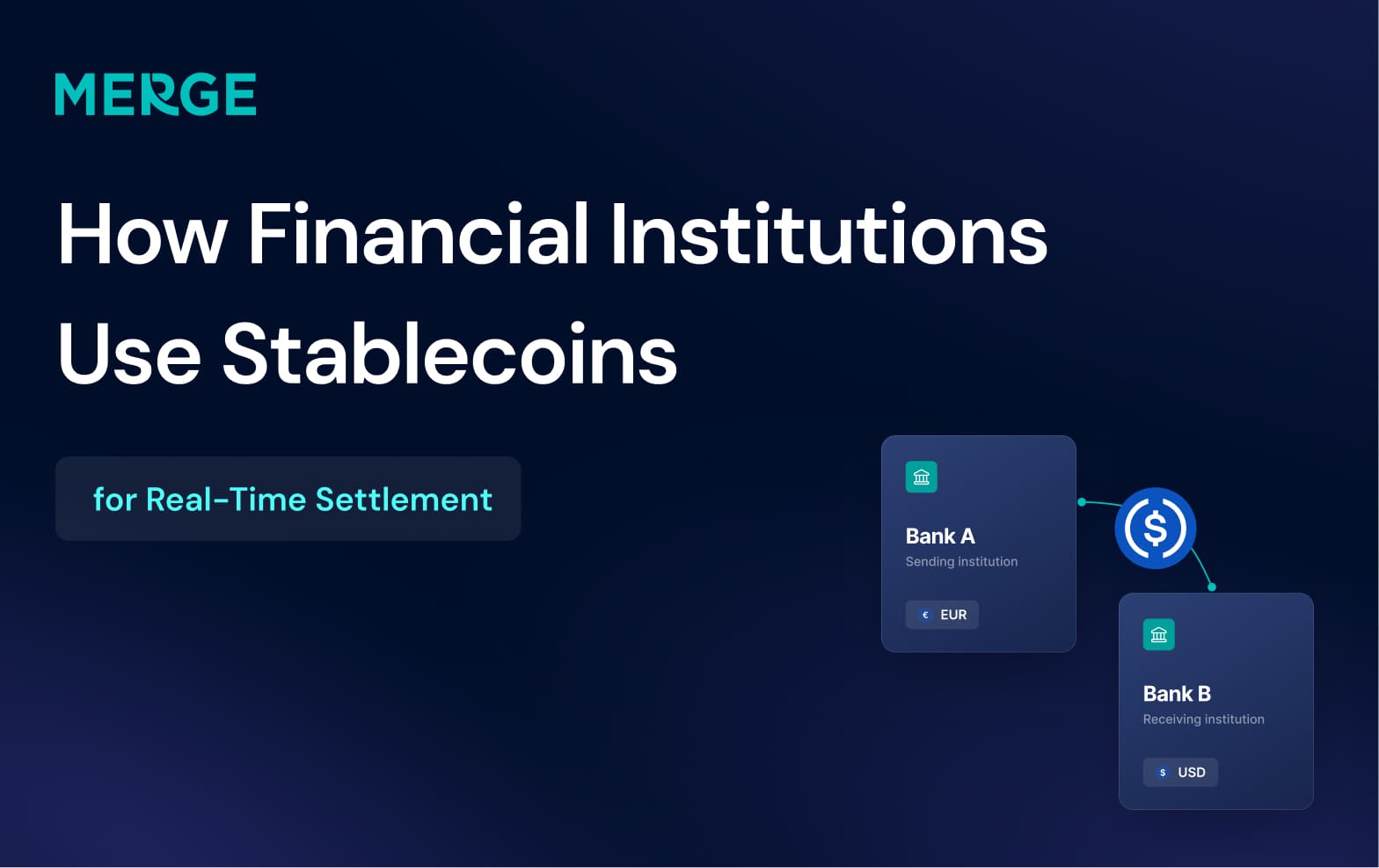
This model is particularly valuable for high-volume digital goods or subscription services where cash flow velocity matters. By bypassing traditional banking rails, creators retain liquidity and reduce the risk of chargebacks or frozen funds often associated with fiat processing. The result is a payout infrastructure that scales with the creator’s audience without introducing additional administrative overhead.
Fee structures and network costs
SplitPay Onchain operates on a transparent, low-friction cost model designed for creator economies. The platform charges a flat 1% fee on each atomic transaction, a rate that stands in sharp contrast to traditional payment processors that often layer interchange fees, cross-border charges, and monthly service costs. This structure ensures that the majority of the payout reaches the intended recipient without hidden deductions eroding the final settlement amount.
The 1% fee covers the cost of on-chain execution and coordination. SplitPay coordinates shared token payments exclusively on Robinhood Chain, utilizing onchain escrow to guarantee that funds are split according to fixed shares before they are distributed. This non-custodial approach removes the need for third-party intermediaries, further reducing the overhead typically associated with manual reconciliation or legacy banking rails.
To understand the true value of this fee structure, it helps to compare it against the volatility and cost of traditional fiat settlements. By using stablecoins like USDC, creators avoid the foreign exchange spreads and delay times inherent in wire transfers. The stability of the asset ensures that the 1% fee is predictable and consistent, regardless of market conditions.
Integration and developer tools
Developers can integrate SplitPay Onchain into their applications with minimal friction, leveraging a straightforward API that abstracts away the complexity of on-chain logic. The platform is designed to support atomic transactions, ensuring that funds are split and distributed exactly as defined in the smart contract logic, without the need for intermediaries or custodial holding periods. This non-custodial approach means that creators and platform operators retain full control over their assets at every stage of the settlement process.
The integration supports major networks, including Solana and Ethereum, allowing developers to choose the chain that best fits their user base’s needs. On Solana, the high throughput and low fees make it ideal for micro-transactions and high-frequency payouts, while Ethereum offers robust security and widespread adoption for larger settlements. By supporting multiple chains, SplitPay Onchain ensures that creators can receive real-time settlements regardless of where their audience engages.
For implementation, the API provides clear endpoints for initializing splits, monitoring transaction status, and retrieving settlement history. This clarity reduces development time and minimizes the risk of errors in financial logic. Developers can also leverage existing libraries and SDKs to accelerate the integration process, ensuring that the focus remains on building a seamless experience for creators rather than debugging complex blockchain interactions.
Security and escrow features
Financial transactions involving creator payouts demand a level of trust that centralized intermediaries often fail to provide. SplitPay Onchain addresses this by operating as a non-custodial protocol. This design ensures that creators and collaborators retain full control of their assets at all times. No third party holds the funds, eliminating the risk of platform-level insolvency or frozen accounts.
The core of this security model is onchain escrow. When a payment is initiated, funds are locked in a smart contract rather than transferred directly. This creates an atomic transaction where the split occurs only when all predefined conditions are met. If the collaboration terms are not fulfilled, the funds remain secured in the escrow, ready to be returned or redistributed according to the smart contract logic.
This approach is particularly vital for high-stakes creator economies where disputes can arise over deliverables or timing. By automating the split process on Robinhood Chain, SplitPay removes the ambiguity of manual transfers. The protocol enforces fixed shares with a transparent 1% fee, ensuring that every participant receives their exact due without hidden deductions or delays.
No comments yet. Be the first to share your thoughts!