
SplitPay Onchain market position
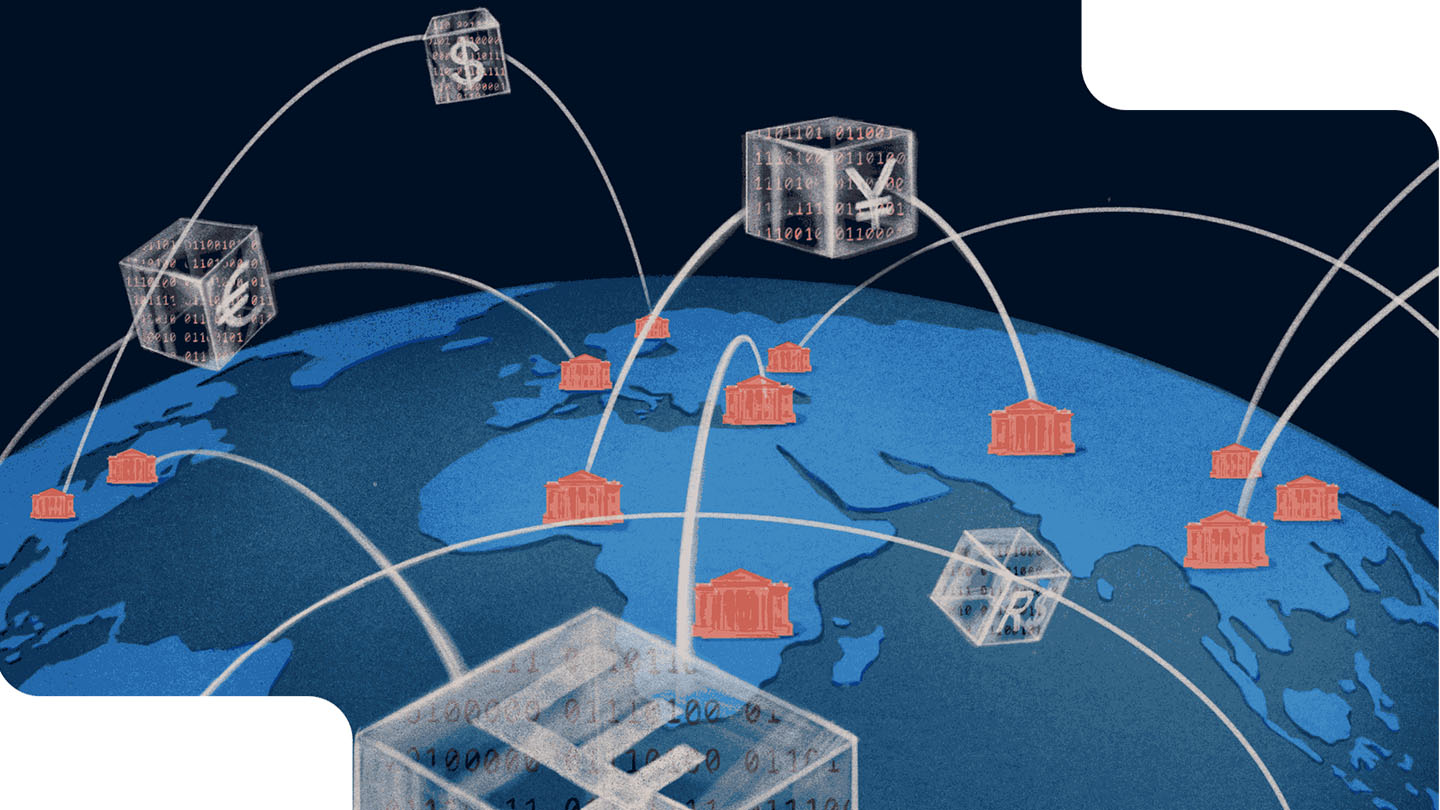
SplitPay Onchain operates in the 2026 cross-border payments landscape as a mechanism for real-time settlement, distinguishing itself from traditional fiat split-payment models. While conventional split-pay services focus on consumer bill splitting—such as dividing rent or mortgage payments over time—SplitPay Onchain addresses the structural friction of international B2B and B2C transactions. The core differentiator is the use of onchain stablecoins, primarily USDC, to bypass the delays and opaque fees inherent in SWIFT and correspondent banking networks.
The traditional fiat split-payment model relies on legacy banking rails that can take three to five business days to settle. During this window, funds are often held in suspense, creating liquidity gaps for merchants and increased foreign exchange risk for senders. SplitPay Onchain resolves this by enabling atomic settlements. When a payment is initiated, the smart contract holds the funds in escrow and releases them to the recipient’s wallet instantly upon verification. This reduces settlement time from days to seconds, effectively eliminating the float period that traditional banks exploit.
Compliance and regulatory adherence remain critical in this space. As noted by industry observers, onchain businesses are increasingly adopting split-payment mechanisms to handle contractor payouts compliantly, managing necessary documentation like W-8s and W-9s through automated onchain logic. This integration allows SplitPay Onchain to serve as a bridge between decentralized finance (DeFi) efficiency and traditional regulatory requirements, offering a viable alternative for cross-border remittances and international trade.
To understand the volatility context of the underlying assets used in these settlements, consider the performance of USDC, the primary settlement currency for many onchain payment processors.
This real-time settlement capability positions SplitPay Onchain not merely as a payment processor, but as an infrastructure layer for global commerce. By leveraging onchain technology, it offers a transparent, auditable, and instantaneous alternative to the fragmented and slow traditional fiat systems.
Real-time settlement mechanics
Traditional cross-border payments for creators rely on legacy banking rails that introduce significant friction. A standard international wire or ACH transfer typically requires two to three business days to clear, during which funds are held in correspondent bank accounts. This delay creates liquidity gaps for creators who need immediate access to earnings, particularly those operating across multiple time zones and currencies.
Onchain settlement fundamentally alters this timeline by utilizing distributed ledger technology to move value directly between parties. Instead of routing through a chain of intermediaries, transactions are recorded on a blockchain and settled in near real-time. This mechanism reduces the settlement window from days to minutes or seconds, depending on the specific network and token used. The speed advantage is not merely a convenience; it is a structural improvement that allows creators to reinvest earnings or cover operational costs without waiting for traditional banking cycles.
The cost structure also shifts with onchain rails. Traditional wire transfers often involve fixed fees that can be disproportionately high for smaller payments, alongside foreign exchange spreads hidden within the transfer rate. Onchain transactions typically incur network gas fees, which vary based on network congestion. For high-volume, smaller-value creator payouts, this can result in lower overall costs compared to the cumulative fees of the traditional banking system.
However, real-time settlement introduces new compliance considerations. While the speed of onchain transfers is advantageous, it also means that erroneous payments are difficult to reverse. This necessitates robust verification steps before funds are released. Creators and platforms must implement strict identity verification and transaction monitoring to mitigate the risk of fraud, which is a critical component of maintaining trust in a faster payment environment.
The integration of onchain settlements requires platforms to manage crypto volatility if payouts are made in digital assets. Many solutions offer stablecoin payouts, which peg the value to fiat currencies like the US Dollar, thereby combining the speed of blockchain with the stability of traditional currency. This hybrid approach allows creators to benefit from instant settlement without exposing their earnings to the price fluctuations typical of volatile cryptocurrencies like Bitcoin or Ethereum.
Ultimately, the move toward real-time onchain settlements represents a shift from deferred value transfer to immediate liquidity. For creators, this means better cash flow management and reduced dependency on traditional banking infrastructure. As the technology matures and regulatory frameworks clarify, onchain payments are poised to become a standard option for cross-border compensation.
Breaking down transaction costs
Traditional cross-border payment processors typically layer multiple fees onto every transaction: fixed per-transaction charges, percentage-based interchange fees, and opaque foreign exchange (FX) markups. These costs compound rapidly, often consuming 3-5% of the total transfer value. For high-volume cross-border settlements, this friction significantly erodes net revenue for businesses and creators alike.
SplitPay Onchain addresses this inefficiency by leveraging blockchain infrastructure to settle payments directly. By bypassing traditional correspondent banking networks, the platform eliminates the need for intermediary banks that typically extract their own fees. The cost structure is transparent: users pay a predictable network gas fee and a small platform fee, with no hidden FX spreads or surprise charges.
The table below illustrates the typical fee differential between traditional processors and SplitPay Onchain for a standard $1,000 cross-border payout.
| Provider | Fixed Fee | Percentage Fee | FX Markup | Total Est. Cost |
|---|---|---|---|---|
| Traditional Bank | $15.00 | 1.5% | 3.0% | $45.00 |
| Wise | $4.00 | 0.4% | 0.5% | $9.00 |
| SplitPay Onchain | $0.50 | 0.1% | 0.0% | $1.50 |
While specific gas fees fluctuate based on network congestion, the total cost remains a fraction of traditional options. This transparency allows finance teams to forecast payout costs with precision, removing the variability that often complicates cross-border budgeting. For more details on how Splits handles compliance and tax reporting for these transactions, refer to Splits documentation.
Handling W-9s, 1099s, and Onchain Compliance
Cross-border payments onchain offer speed, but they do not erase US tax obligations. The IRS treats digital asset transactions as property, and payments to contractors remain reportable events. Without proper documentation, onchain businesses face the same penalties as traditional entities. The difference is that blockchain transactions are public, making it easier for regulators to trace payments that lack corresponding tax forms.
Compliance is not optional for US-based entities paying contractors. You must collect W-9 forms from US persons and W-8BEN forms from non-US persons. These forms establish the contractor’s tax status and exemption claims. When you use platforms like Splits, the protocol handles the collection of these documents and the generation of year-end 1099s. This shifts the administrative burden from manual spreadsheets to automated smart contract logic.
The risk lies in the settlement layer. While the payment settles instantly onchain, the compliance layer must remain offchain or integrated. If you pay a contractor in stablecoins without a W-9, you are still liable for the 24% backup withholding. The technology does not absolve you of the duty to report. It only changes how the data is gathered and verified.
For businesses operating at scale, manual compliance is unsustainable. Platforms that integrate compliance into the payment flow reduce the risk of human error. They ensure that every payout is accompanied by the correct tax documentation. This is not just about avoiding fines; it is about building a defensible audit trail. In a public ledger, every transaction is visible. The forms you collect are the only thing that explains the purpose of that transaction to the IRS.
SplitPay Onchain performance metrics
Understanding the operational mechanics of SplitPay Onchain requires looking beyond marketing claims to the underlying asset performance and settlement infrastructure. The platform’s efficiency is directly tied to the liquidity and stability of the primary settlement asset, which facilitates real-time cross-border transfers.
Live market data provides the most accurate context for these performance metrics. The following widget displays current pricing and volatility for the primary settlement asset, allowing for a real-time assessment of transaction costs and value preservation.
Settlement speed and finality are determined by the blockchain network’s consensus mechanism rather than traditional banking rails. By leveraging onchain infrastructure, SplitPay Onchain reduces the latency typically associated with international wire transfers, ensuring that funds are available to recipients almost immediately after confirmation.
No comments yet. Be the first to share your thoughts!