
Splitpay onchain limits to account for
SplitPay Onchain is not a consumer app for splitting rent or car payments. It is a smart contract system built to automate revenue distribution among creators and collaborators. While traditional off-chain payment processors hold funds in escrow and disburse them on a schedule, this onchain version executes splits in real-time as transactions land.
The primary constraint is technical complexity. Setting up these contracts requires knowledge of Solidity or a supported no-code builder. You must manage gas fees for every distribution event, which can erode margins on small payouts. Unlike Split Pay the consumer app, there is no customer support hotline to call if a transaction fails due to network congestion.
Another limitation is liquidity. Onchain splits rely on the availability of the base asset (like ETH or USDC) in the recipient's wallet. If a creator holds a different token, the protocol must include a swap mechanism, adding another layer of smart contract risk and potential slippage. This makes it ideal for crypto-native teams but less practical for hybrid audiences expecting traditional bank deposits.
Splitpay onchain choices that change the plan
Before committing to onchain splitting, you need to weigh the speed of automation against the friction of blockchain mechanics. SplitPay Onchain uses smart contracts to distribute revenue in real-time, removing the lag of traditional banking rails. However, this speed comes with specific constraints regarding network fees, token volatility, and liquidity availability that off-chain solutions simply do not have.
The following comparison breaks down the concrete factors to evaluate when choosing between onchain automation and traditional payment processors. Understanding these tradeoffs helps you determine if the efficiency gains justify the technical complexity.
| Factor | SplitPay Onchain | Traditional Processor | Key Tradeoff |
|---|---|---|---|
| Speed | Real-time (seconds) | 1-3 business days | Instant liquidity vs. banking delays |
| Cost | Variable gas fees | Fixed % + flat fee | Predictable costs vs. network congestion spikes |
| Accessibility | Crypto wallets only | Bank accounts/cards | Web3 natives vs. mass market reach |
| Transparency | Public ledger | Private reports | Full auditability vs. data privacy |
Gas fees are the most volatile cost factor. During periods of high network congestion, transaction costs can spike significantly, potentially eating into small creator payouts. Traditional processors offer predictable, albeit often higher, percentage fees. You must calculate whether your average payout size justifies the risk of variable gas costs.
Liquidity is another critical constraint. Onchain splitting requires sufficient liquidity in the target token pool to execute trades or transfers instantly. If liquidity is thin, you may face slippage, meaning creators receive less than expected. Traditional processors guarantee fiat settlement, eliminating this market risk entirely.
Use the calculator above to compare costs for a typical payout. If your gas fees are consistently lower than the traditional percentage, onchain splitting offers a clear financial advantage. If gas spikes exceed 2-3%, traditional processors may remain more cost-effective for smaller, frequent transactions.
How to Choose the Right SplitPay Onchain Setup
Deciding on a SplitPay Onchain configuration requires matching your payout volume and creator network to the right contract architecture. Unlike traditional off-chain payment processors that hold funds in escrow, onchain splitting executes immediately, reducing counterparty risk. However, the complexity of smart contract deployment means you must evaluate your technical capacity alongside financial needs.
Use this framework to determine your path:

High-volume creators (over $10k/month) benefit from custom multi-signature wallets that batch transactions, lowering gas fees per split. Low-volume creators should stick to standard SplitPay Onchain templates to avoid unnecessary deployment costs. Use the calculator below to estimate your monthly gas overhead.

Determine if your collaborators are individual wallets or DAOs. Individual splits are simpler and cheaper. DAO splits require integration with governance tokens, adding complexity but allowing for transparent, vote-based fund distribution. Ensure all recipients have compatible wallet types (EOA vs. Contract).
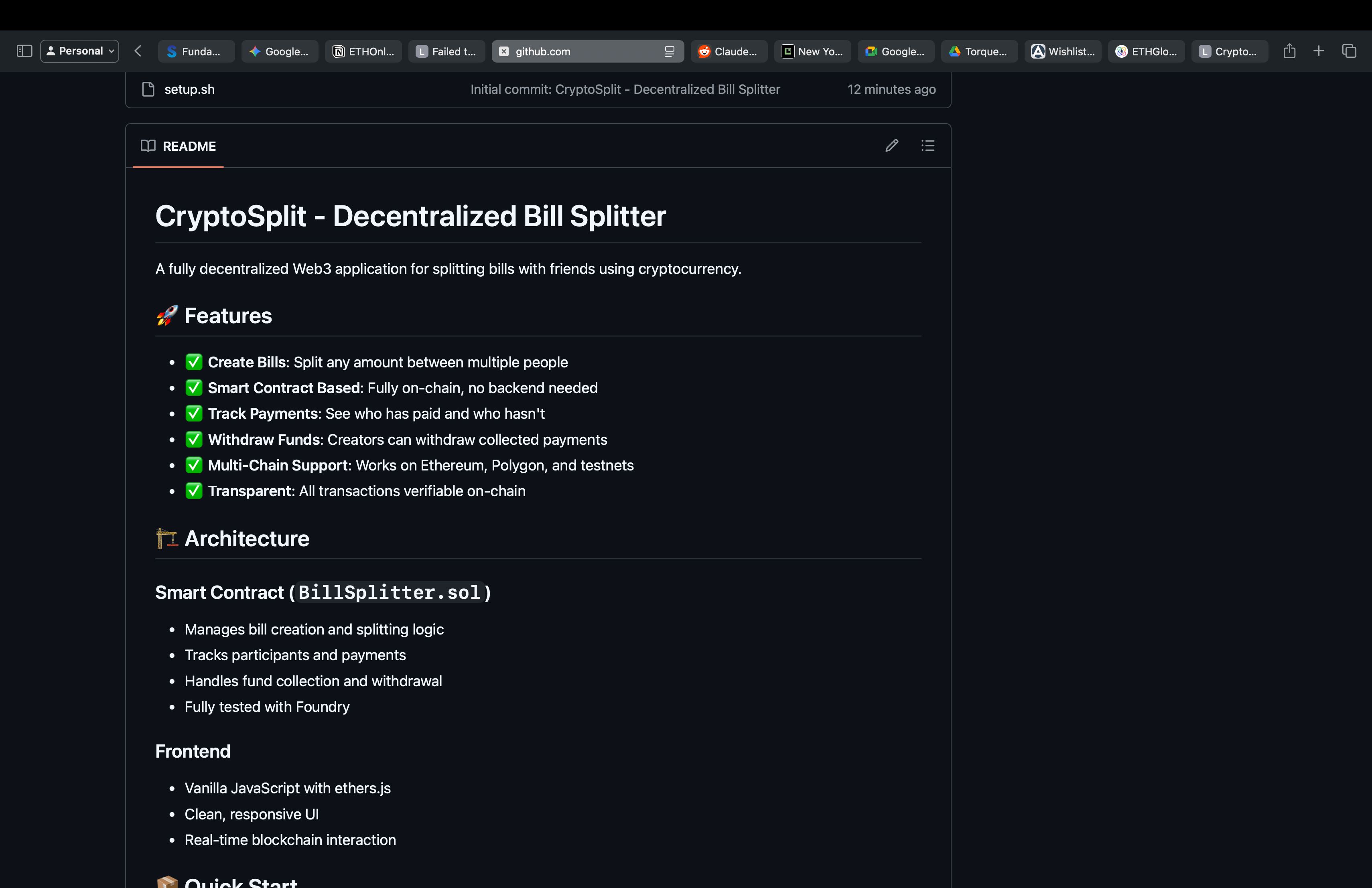
Choose a network based on your audience's location. Ethereum Mainnet offers security but higher fees; Layer 2s like Arbitrum or Base offer speed and low costs. Decide whether to split native tokens (ETH) or stablecoins (USDC). Stablecoins reduce volatility risk for creators but require separate liquidity management.
Before going live, audit your split ratios and recipient addresses. Use timelocks for large payouts to prevent unauthorized transfers. Verify that your smart contract handles edge cases, such as failed transactions or recipient address changes, gracefully to avoid frozen funds.
Spotting Weak Options and Misleading Claims
Before committing to SplitPay Onchain for creator payouts, it helps to separate marketing language from technical reality. The platform automates revenue distribution via smart contracts, but the setup requires careful configuration to avoid unexpected fees or delays. Many creators overlook the difference between on-chain execution and off-chain user experience, leading to confusion when funds arrive.
Common Mistakes to Avoid
- Ignoring Gas Volatility: On-chain transactions require network fees. During high congestion, these costs can erode small payouts. Set minimum payout thresholds to buffer these fluctuations.
- Overlooking Slippage: If your smart contract interacts with decentralized exchanges for automatic conversion, slippage settings matter. A tight setting may fail transactions; a loose one may lose value.
- Assuming Instant Finality: "Real-time" refers to submission, not finality. Depending on the network, confirmations can take minutes. Communicate this timeline to your audience to manage expectations.
Red Flags in Vendor Claims
Beware of promises like "zero fees" or "instant settlement." No blockchain is free, and no network is truly instantaneous. If a vendor claims to bypass network fees entirely, they are likely subsidizing costs in a way that may not be sustainable. Always verify the fee structure in the smart contract documentation rather than relying on landing page copy.
The key is to treat SplitPay Onchain as a tool that requires active management, not a set-and-forget solution. Read the contract specs, test with small amounts, and monitor gas trends before scaling up.
Splitpay onchain: what to check next
Here are the practical answers to the most common questions about SplitPay Onchain and its off-chain counterpart, Split Pay.
No comments yet. Be the first to share your thoughts!