
What SplitPay Onchain Actually Does
SplitPay Onchain is a B2B settlement layer, not a consumer bill-splitting app. It is designed for creators, agencies, and platforms that need to move money across borders in real time. The system uses smart contracts to automate the distribution of funds to multiple parties, resolving the latency and friction inherent in traditional cross-border payments.
The core value proposition is speed and transparency. By linking your treasury or operational wallet to the SplitPay interface, you can select settlement currencies—typically stablecoins like USDC—and execute payouts instantly. This eliminates the multi-day wait times associated with SWIFT transfers or traditional banking rails.
For high-stakes financial decisions, the distinction matters. Consumer apps like SplitPay focus on splitting dinner bills among friends. SplitPay Onchain focuses on automating royalty payouts, affiliate commissions, and vendor payments at scale. It is infrastructure for creators who need predictable, on-chain settlement rather than casual expense sharing.
Real-time settlement mechanics
SplitPay Onchain operates as a B2B infrastructure layer, distinct from consumer bill-splitting applications. It automates cross-border payouts by leveraging blockchain rails, allowing creators and agencies to settle transactions in stablecoins rather than waiting for traditional banking cycles. The workflow connects operational wallets directly to smart contracts, enabling near-instant distribution of funds across jurisdictions.
To begin the process, users link their treasury or operational wallet to the SplitPay Onchain interface. This step establishes the on-ramp for funds, ensuring that the source of truth for the transaction is the linked blockchain address. Once connected, the system verifies the wallet's capability to hold and transfer the selected settlement currency, typically USDC or other major stablecoins.
After authentication, the user selects the settlement currency and defines the payout parameters. The platform then executes the split via smart contract logic. Because these transactions occur on-chain, they bypass the correspondent banking network, eliminating the delays associated with SWIFT transfers. The result is a settlement that is final and visible in real-time, providing immediate liquidity for creators and agencies.

Connect your treasury or operational wallet to the SplitPay Onchain interface. This action authenticates the user and grants the smart contract permission to manage the specified payout logic. The wallet serves as the primary identifier for all subsequent transactions.

Choose the stablecoin for settlement, such as USDC. Selecting a stablecoin mitigates volatility risks inherent in native cryptocurrencies like ETH or SOL. The system locks in the value at the time of execution, ensuring that creators receive a predictable amount of purchasing power regardless of market fluctuations.
Define the payout percentages or fixed amounts for each recipient. The smart contract calculates the distribution based on these parameters and deducts any applicable network gas fees. This step is atomic, meaning either the entire split executes successfully, or it reverts, preventing partial or failed transactions.
Funds are transferred to recipients immediately upon block confirmation. Unlike traditional wire transfers that may take 2-5 business days, onchain settlement is final within seconds or minutes, depending on the network. Recipients see the funds in their wallets instantly, improving cash flow for creators operating across borders.
For agencies managing multiple creators, this real-time capability transforms cash flow management. Instead of holding funds in escrow or waiting for monthly bank cycles, payouts occur as revenue is generated. This reduces administrative overhead and minimizes the risk of delayed payments, which is a common pain point in the creator economy. By using stablecoins, SplitPay Onchain provides a predictable, efficient alternative to traditional financial rails.
Note: This calculator provides an estimate based on typical network conditions for EVM-compatible chains. Actual times may vary based on gas prices and block times.
Cost Comparison With Traditional Rails
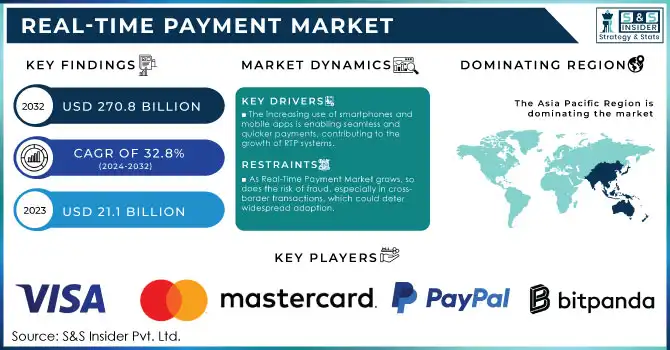
Cross-border creator payouts often face significant friction when routed through traditional banking rails. A standard SWIFT transfer typically involves multiple intermediary banks, each deducting a portion of the principal. These fees, combined with unfavorable foreign exchange spreads and latency, can consume 3–5% of a creator’s earnings before the funds even reach their local account.
SplitPay Onchain replaces this fragmented chain with a direct decentralized settlement layer. By utilizing stablecoins like USDC, creators bypass correspondent banking networks entirely. The cost structure shifts from a percentage-based intermediary fee to a predictable, flat network gas fee, which remains largely unaffected by the transfer amount or destination country.
To visualize the impact of this structural difference, use the calculator below. Adjust the payout amount and compare the traditional bank fee percentage against the estimated onchain gas and spread costs to see the real-time savings.
The following table outlines the mechanical differences between the two settlement methods. Traditional rails prioritize legacy compliance infrastructure, resulting in higher fixed and variable costs. SplitPay Onchain prioritizes liquidity efficiency, reducing the overhead associated with cross-border compliance and settlement latency.
| Feature | Traditional Bank Transfer | SplitPay Onchain |
|---|---|---|
| Primary Cost Driver | Intermediary bank fees + FX spread | Network gas + stablecoin spread |
| Average Fee % | 3% – 5% | 0.1% – 0.5% |
| Settlement Time | 2 – 5 business days | < 10 minutes |
| Cross-Border Barrier | High (correspondent banking) | Low (direct wallet-to-wallet) |
| Transparency | Opaque (hidden intermediary fees) | Transparent (onchain ledger) |
Risk Factors and Treasury Management
Onchain finance introduces specific mechanical risks that differ from traditional banking infrastructure. Because SplitPay Onchain operates as a decentralized settlement layer, the responsibility for security shifts from a centralized institution to the protocol’s code and the user’s custody practices. Understanding these vectors is essential for anyone managing significant value on the platform.
Smart Contract Exposure
The core risk in any decentralized protocol is the integrity of the underlying smart contracts. If a vulnerability exists in the settlement logic, it could lead to the loss of funds. SplitPay Onchain relies on audited code to mitigate this, but audits are snapshots of security at a specific point in time, not guarantees against future exploits.
Users must verify that the contracts they interact with have undergone rigorous third-party audits. The official SplitPay Onchain documentation provides details on the audit firms involved and the scope of their reviews. Relying on unaudited or lightly audited contracts for treasury management is a high-stakes gamble that can result in total capital loss.
Stablecoin De-pegging and Volatility
Cross-border settlements often involve stablecoins, which are pegged to fiat currencies like the US Dollar. However, stablecoins are not risk-free. De-pegging events, where the token’s value drops significantly below its peg, can occur due to liquidity crises, regulatory pressure, or loss of confidence in the issuer.
When SplitPay Onchain processes a payment in a volatile stablecoin, the recipient may receive less value than anticipated. This risk is amplified in cross-border transactions where settlement latency allows time for market fluctuations. Treasury managers should consider using multi-currency strategies or settling in more stable assets to mitigate exposure to single-asset de-pegging.
Multi-Sig and Custody Controls
For institutional or high-volume users, single-key wallets are insufficient. SplitPay Onchain supports multi-signature (multi-sig) wallets, which require multiple private keys to authorize a transaction. This adds a layer of security by ensuring that no single compromised key can drain the treasury.
Implementing multi-sig controls is a best practice for managing onchain treasuries. It distributes authority and reduces the risk of insider threats or external hacks. Users should configure their wallets with a reasonable threshold of signatures, balancing security with operational efficiency.
Operational Costs and Gas Fees
Onchain transactions incur gas fees, which can fluctuate based on network congestion. While SplitPay Onchain aims to optimize costs, users must account for these fees when managing their treasury. High gas periods can erode margins, especially for smaller transactions.
Understanding the fee structure is part of effective treasury management. Users should monitor network conditions and schedule transactions during low-traffic periods to minimize costs. This proactive approach helps maintain the economic viability of onchain payment operations.
Creator Community Feedback
Adoption signals for onchain payout infrastructure remain fragmented, with distinct user bases for the B2B protocol and the consumer-facing bill-splitting application. Creators evaluating SplitPay Onchain typically prioritize settlement speed and fee transparency over brand recognition, a shift from traditional payment processors that often obscure costs in interchange fees.
Public sentiment on the consumer app (splitpay.com) reflects standard fintech friction. Trustpilot data indicates a trust score of 0.73 across 57 reviews, suggesting mixed experiences regarding customer support resolution and transaction delays during peak volumes. This feedback loop highlights the operational risks inherent in consumer-facing fintech, where liquidity constraints can impact user trust.
In contrast, discussions within creator-focused communities on Reddit often center on the technical reliability of onchain rails. Users frequently compare SplitPay’s real-time settlement against traditional bank transfers, citing the reduction in counterparty risk as a primary advantage. However, concerns about gas fee volatility and wallet security remain prevalent, underscoring the need for robust user education and clear risk disclosures.
No comments yet. Be the first to share your thoughts!