
The onchain settlement shift
Traditional payment gateways operate on a batch-based model that introduces friction at every stage. When a customer pays, the funds do not move instantly. Instead, they sit in intermediary accounts while merchant acquirers, card networks, and clearinghouses reconcile the transaction. This legacy infrastructure, often referred to as the "float," ties up capital for days or even weeks. For businesses managing tight cash flow, this delay is not just an inconvenience; it is a direct drag on operational efficiency and working capital.
Onchain split payments dismantle this bottleneck by settling transactions directly on a public blockchain. Settlement is cryptographic and immediate. When a payment is initiated, the stablecoin moves from the payer to the designated recipient wallets in near real-time, eliminating the multi-day wait for bank rails. This shift transforms payment processing from a delayed administrative task into an instantaneous ledger update. The result is that funds are available for use, reinvestment, or distribution the moment the transaction occurs.
The economic advantage of this real-time settlement extends beyond speed. Traditional gateways charge interchange fees, assessment fees, and cross-border FX margins that erode margins on every transaction. Onchain settlement bypasses these intermediaries, replacing opaque fee structures with transparent, network-level gas costs. This efficiency is particularly critical for cross-border payouts, where traditional banking fees can be substantial and unpredictable.
"A payment is onchain when settlement happens on a public blockchain in a stablecoin like USDC or USDT, with a cryptographic signature from the agent's wallet rather than a card network authorization."
The transition to this model reflects a broader industry move toward programmable money. As noted in recent industry analyses, this shift is not merely about faster transfers but about creating a more efficient financial infrastructure. By removing the need for reconciliation and reducing the cost of capital tied up in transit, onchain split payments offer a structural advantage that traditional fiat processing cannot match in the 2026 landscape.
This difference is becoming increasingly visible in creator economy discussions. Industry participants are actively debating how these real-time settlements impact revenue streams and platform liquidity, signaling a clear departure from the slow, opaque mechanisms of the past.
Fee structures and cross-border costs
Traditional payment gateways charge creators a layered tax on every transaction. Merchant service fees, currency conversion spreads, and wire transfer charges accumulate quickly, especially for international payouts. SplitPay Onchain removes these intermediaries by settling directly on public blockchains using stablecoins. This approach replaces opaque banking fees with transparent, predictable on-chain transaction costs.
The following comparison highlights the structural differences between legacy processors and on-chain settlement for cross-border creator payouts.
| Feature | Traditional Gateway | SplitPay Onchain |
|---|---|---|
| Base Transaction Fee | 2.9% + $0.30 | 0.1%–0.5% (network dependent) |
| Cross-Border Surcharge | 1.0%–1.5% + FX spread | Near-zero (stablecoin parity) |
| Settlement Time | 2–5 business days | Seconds to minutes |
| Hidden Banking Fees | Wire fees ($15–$50 per payout) | None (direct wallet-to-wallet) |
Traditional processors rely on a fragmented network of correspondent banks to move money across borders. Each intermediary in this chain takes a cut and adds delays. For a creator receiving payments from multiple countries, these costs can eat into 5%–10% of gross revenue. SplitPay Onchain bypasses this system entirely. By using stablecoins, the value remains constant during transit, and the only cost is the minimal network gas fee required to broadcast the transaction.
This shift is particularly impactful for high-volume, low-margin transactions. When payouts are frequent and small, the fixed fees of traditional banking—such as international wire charges—become disproportionately expensive. On-chain settlement eliminates these fixed costs, making micro-payouts economically viable for the first time.
Reddit community discussions often highlight the frustration with delayed payouts and unexpected currency conversion losses. Creators frequently note that the "net" amount received is significantly lower than the "gross" amount invoiced due to these hidden fees. On-chain settlement addresses these pain points by providing real-time visibility and immediate access to funds.
Automating creator payout workflows
Traditional payment gateways often act as black boxes, holding funds for days or weeks while manual reconciliation happens behind the scenes. For creators, influencers, and agencies, this delay creates cash flow friction and obscures exactly who gets paid what. SplitPay Onchain changes this by treating revenue splits as executable code rather than administrative tasks.
The core advantage is transparency. When a sale occurs, the smart contract immediately calculates the split and distributes stablecoins to the relevant wallets. There is no need to wait for a monthly batch process or dispute a missing invoice. The ledger is public, immutable, and accessible to all parties in real time.
1. Define the split logic
Set up the revenue distribution rules once. Whether it is a 70/30 creator-agency split or a five-way partnership, the percentages are hardcoded into the smart contract. This eliminates the ambiguity of verbal agreements or complex spreadsheets that are prone to human error.
2. Integrate with your platform
Connect your storefront or content platform to the SplitPay Onchain API. When a transaction is initiated, the platform sends a signal to the blockchain. The contract verifies the amount and triggers the distribution logic without requiring manual intervention from your finance team.
3. Receive real-time settlements
Funds are settled instantly on-chain. Creators and partners see the funds arrive in their wallets immediately after the transaction clears. This real-time visibility allows for better financial planning and removes the anxiety of waiting for "T+2" or "T+3" banking cycles.
4. Audit and reconcile automatically
Since every transaction is recorded on the blockchain, auditing is trivial. You can view the entire history of splits, payments, and wallet addresses directly from the explorer. This reduces the time spent on accounting by hours each month and provides a single source of truth for tax reporting.
This workflow shifts the burden of payment logistics from humans to code. By removing the middleman's delay, creators retain more control over their income, and agencies can scale their operations without increasing their administrative overhead.
B2B settlement and treasury management
Traditional B2B settlements often involve a labyrinth of intermediaries, manual reconciliation, and delayed visibility into cash flow. SplitPay Onchain addresses these friction points by enabling real-time, transparent transactions that settle directly on the blockchain. For treasury teams, this shift means moving from reactive accounting to proactive liquidity management.
The core advantage lies in the reduction of reconciliation time. In traditional systems, matching invoices to payments can take days due to varying bank cut-off times and cross-border delays. Onchain settlements using stablecoins occur in minutes, providing immediate confirmation and immutable audit trails. This transparency allows finance teams to verify transactions without chasing down bank statements or waiting for clearing cycles.
By automating the settlement layer, businesses can significantly lower operational overhead. The cryptographic nature of onchain transactions reduces the risk of errors and fraud, while the open ledger provides a single source of truth for all parties involved. This efficiency is particularly valuable for high-volume B2B relationships where speed and accuracy are critical to maintaining healthy working capital.
Implementation checklist for onchain payments
Adopting SplitPay Onchain requires shifting from card-network reliance to direct blockchain settlement. This guide walks you through the specific steps to configure onchain split payments, ensuring your treasury and creator payouts operate in real time.
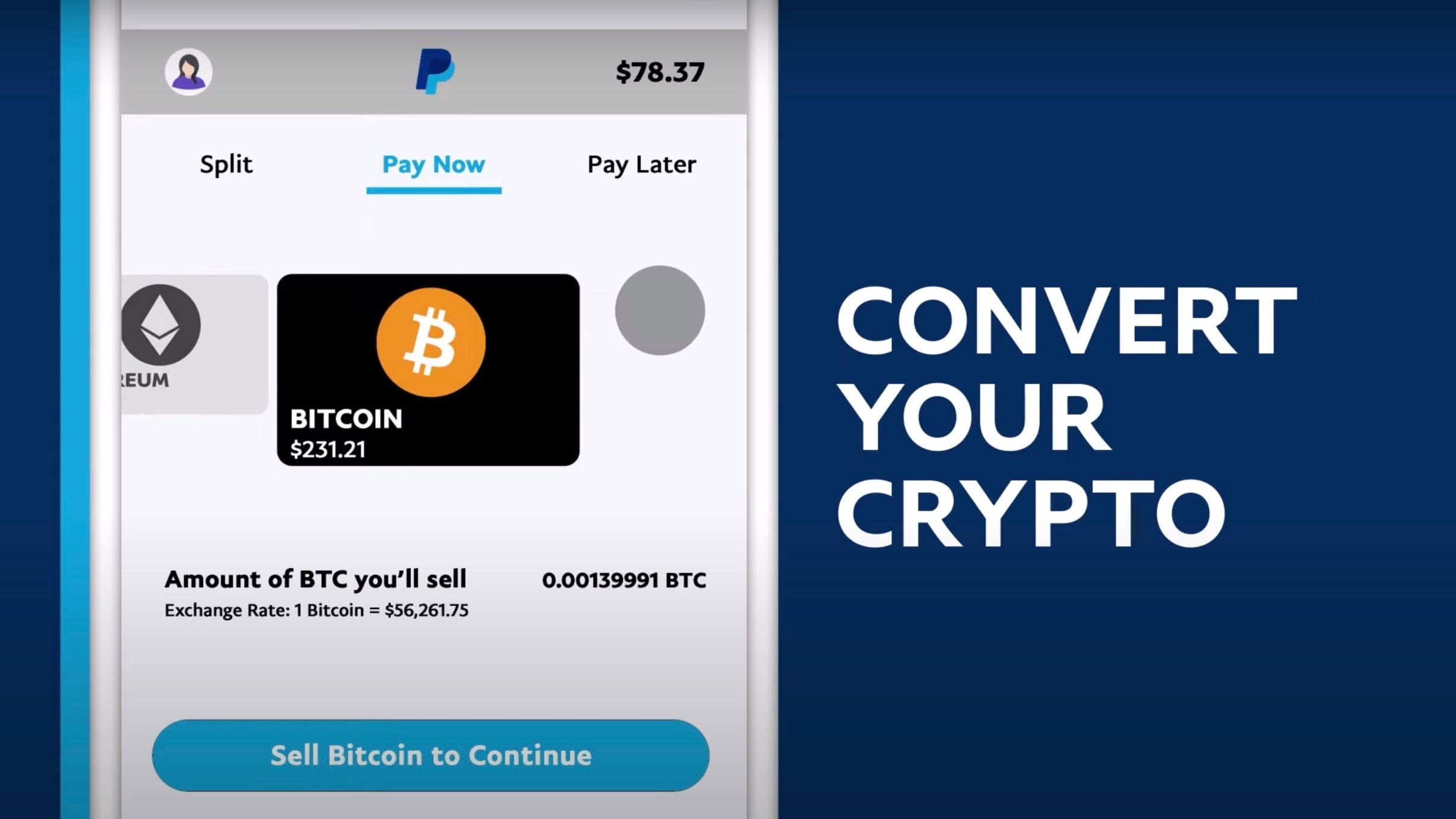
Link your treasury or operational wallet to the SplitPay Onchain interface. This establishes the secure connection needed to initiate transactions without traditional intermediaries.

Choose your preferred stablecoin, typically USDC or USDT. Onchain payments settle in these assets, bypassing the volatility and delays associated with fiat currency transfers.

Define how funds are divided among creators, vendors, or partners. Set precise percentages or fixed amounts within the smart contract logic to automate distribution.

Run a low-value test transaction to verify that funds route correctly to all designated wallets. This step confirms your contract logic and gas fee calculations are accurate before scaling.

Once verified, activate the configuration for live payments. Monitor the dashboard for instant confirmation of settlements, ensuring your onchain payment infrastructure operates smoothly.
What are onchain payments?
Onchain payments represent a shift from traditional card network authorizations to direct, programmatic settlement on public blockchains. Unlike conventional transactions where a merchant waits days for a bank to clear funds, onchain payments settle instantly in stablecoins.
The key distinction lies in the nature of the transaction. As explained by Eco, a payment is "agentic" when the payer is an autonomous program rather than a person tapping a phone. It is "onchain" when settlement happens on a blockchain with a cryptographic signature from the agent's wallet, bypassing the intermediaries that define traditional card networks.
This model allows for real-time cross-border payouts without the friction of foreign exchange delays or chargeback risks. By linking operational wallets directly to settlement interfaces, businesses can move funds with the speed of software rather than the pace of banking rails.
No comments yet. Be the first to share your thoughts!